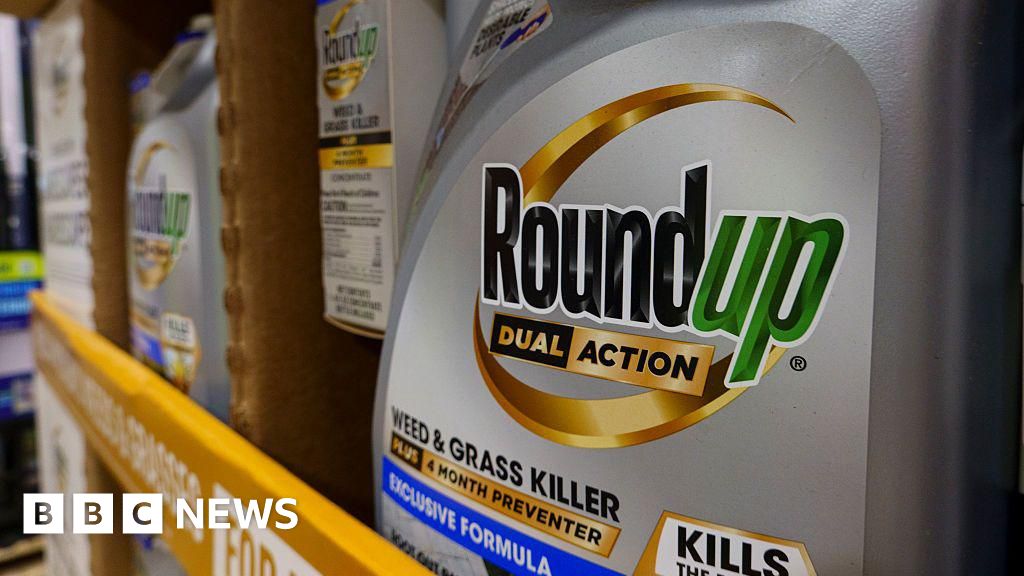
Bayer has proposed a $7.25bn settlement to definitively resolve U.S. non-Hodgkin lymphoma claims tied to its Roundup herbicide, payable over 21 years with most cash expected in the first five years; the deal would cover exposures before 17 February and diagnoses within 16 years. The move follows roughly $10bn already paid, more than 130,000 resolved claims and some 65,000 still pending, and comes alongside an expected additional ~$3bn for other Roundup-related cases (including state suits over so-called forever chemicals). Management says key plaintiffs' groups support the proposal and expects most claimants to sign on, while a separate Supreme Court case over federal approval pre-emption — recently supported by a U.S. government brief — could materially affect future liability and has already influenced the share price.
Market structure: Bayer (BAYN.DE / BAYRY OTC) is the primary beneficiary if the $7.25bn framework secures broad releases — equity upside of ~15–30% is plausible within 6–12 months as litigation overhang falls and investor risk premia compress. Direct losers are plaintiffs’ contingency-fee funds (one-time cash) and litigation-insurer capacity if payouts exceed reserves; rival agrochemical producers see limited product-demand impact but could gain share if regulatory restrictions tighten on glyphosate over 2–5 years. Supply/demand: no immediate disruption to glyphosate supply; however a precedent of widescale settlements increases long-term cost of liability for broad-spectrum herbicides and favors specialty/biopesticide demand growth of an incremental few percent annually.
Risk assessment: tail risks include an adverse US Supreme Court ruling (preemption denied) or discovery of new scientific evidence that expands eligible claimants — either could add >$10–15bn incremental liabilities and produce >30% equity downside. Time horizons: immediate (days) — judge reaction and share volatility; short-term (weeks–months) — settlement approval or opt-in rates; long-term (years) — latent claims and PFAS/other exposures. Hidden dependencies: settlement funds stretched over 21 years create counterparty and M&A flexibility implications; adverse state-level regulation could force product relabeling and market access costs. Catalysts: judge approval hearing (weeks–3 months), Supreme Court docket timing (6–12 months), plaintiffs’ opt-in rate (threshold >70% material).
Trade implications: favor a staged directional exposure to Bayer: a modest equity long with capped-cost upside (12–18 month call spreads) and defined downside hedges; opportunistic credit buys if 5y senior spreads widen >75–150bp relative to German industrial peers. Pair trades: long Bayer vs short small-cap ag-chemical OEMs that lack diversification (size 1–2% NAV) to capture mean reversion if roundup risk priced out. Options: use calendar spreads to own long-dated upside while funding with nearer-term sales; execute within next 10 business days and reprice on judge rulings.
Contrarian angles: consensus ignores that a definitive settlement covering future claims materially de-risks balance sheet and could unlock strategic M&A or asset sales (e.g., divestment proceeds redeployed to life-science R&D) — equity reaction may be underdone. Conversely, settling now could invite broader claim classes (PFAS, other cancers) to litigate for reopening — a regulatory cascade risk historically seen in asbestos/tobacco cases. Historical parallels: tobacco settlements created multi-year credit and equity re-ratings; expect a multi-quarter replay rather than instant normalization.
AI-powered research, real-time alerts, and portfolio analytics for institutional investors.
Request DemoOverall Sentiment
mixed
Sentiment Score
0.06
