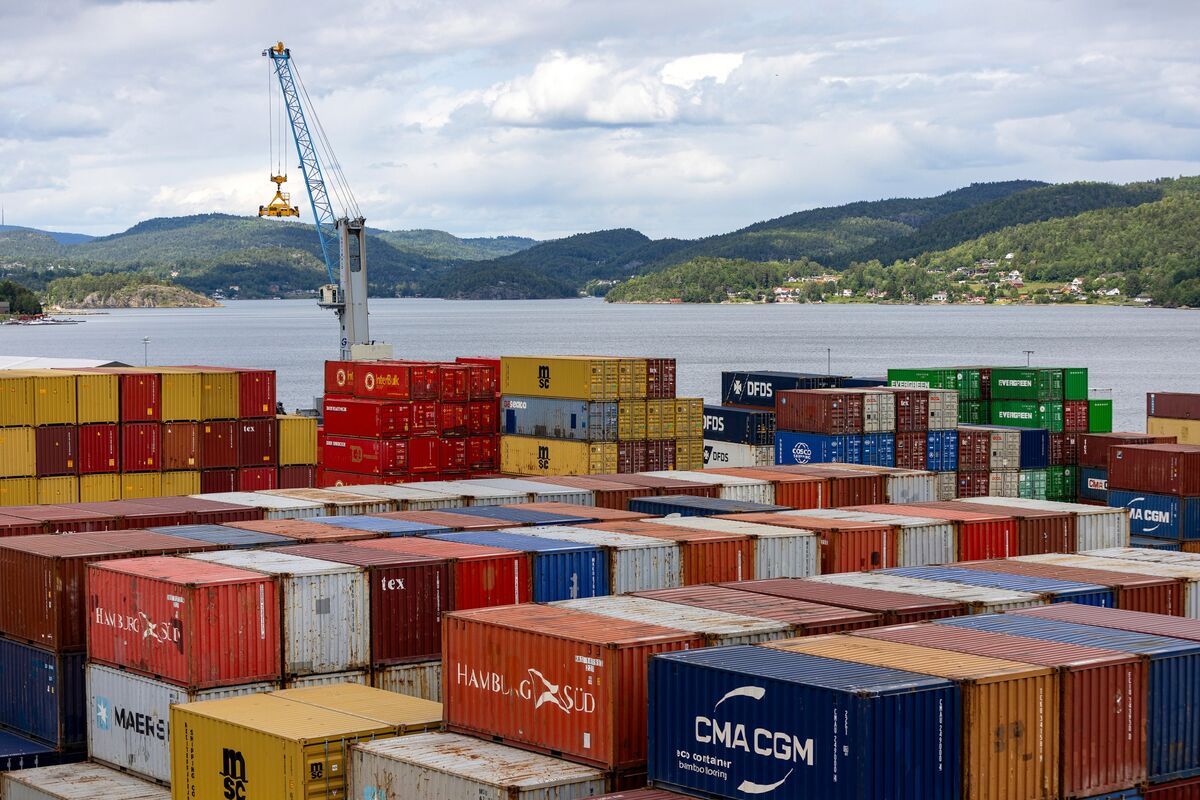
The European Free Trade Association (EFTA), comprising Switzerland, Norway, Liechtenstein, and Iceland, has concluded negotiations on a free-trade agreement with South America’s Mercosur bloc. This pact aims to significantly boost transatlantic commerce by removing or reducing duties on over 95% of EFTA goods exported to Mercosur over a 15-year period, pending ratification by all member countries.
The conclusion of a free-trade agreement between the European Free Trade Association (EFTA) and the Mercosur bloc marks a significant structural development for transatlantic commerce, assessed with a strongly positive sentiment. This pact is designed to systematically dismantle trade barriers, with a commitment to remove or reduce duties on over 95% of goods that EFTA companies export to Mercosur. The economic benefits, however, are positioned as a long-term tailwind rather than an immediate catalyst, as the tariff reductions will be phased in over a 15-year period. The agreement's activation is also contingent on the critical step of ratification by all member countries, a process which introduces a notable timeline and execution dependency. For EFTA-based exporters, particularly from manufacturing-heavy Switzerland and commodity-rich Norway, this deal secures preferential access to a major South American market, fundamentally improving their long-term competitive positioning.
AI-powered research, real-time alerts, and portfolio analytics for institutional investors.
Request DemoOverall Sentiment
strongly positive
Sentiment Score
0.65
