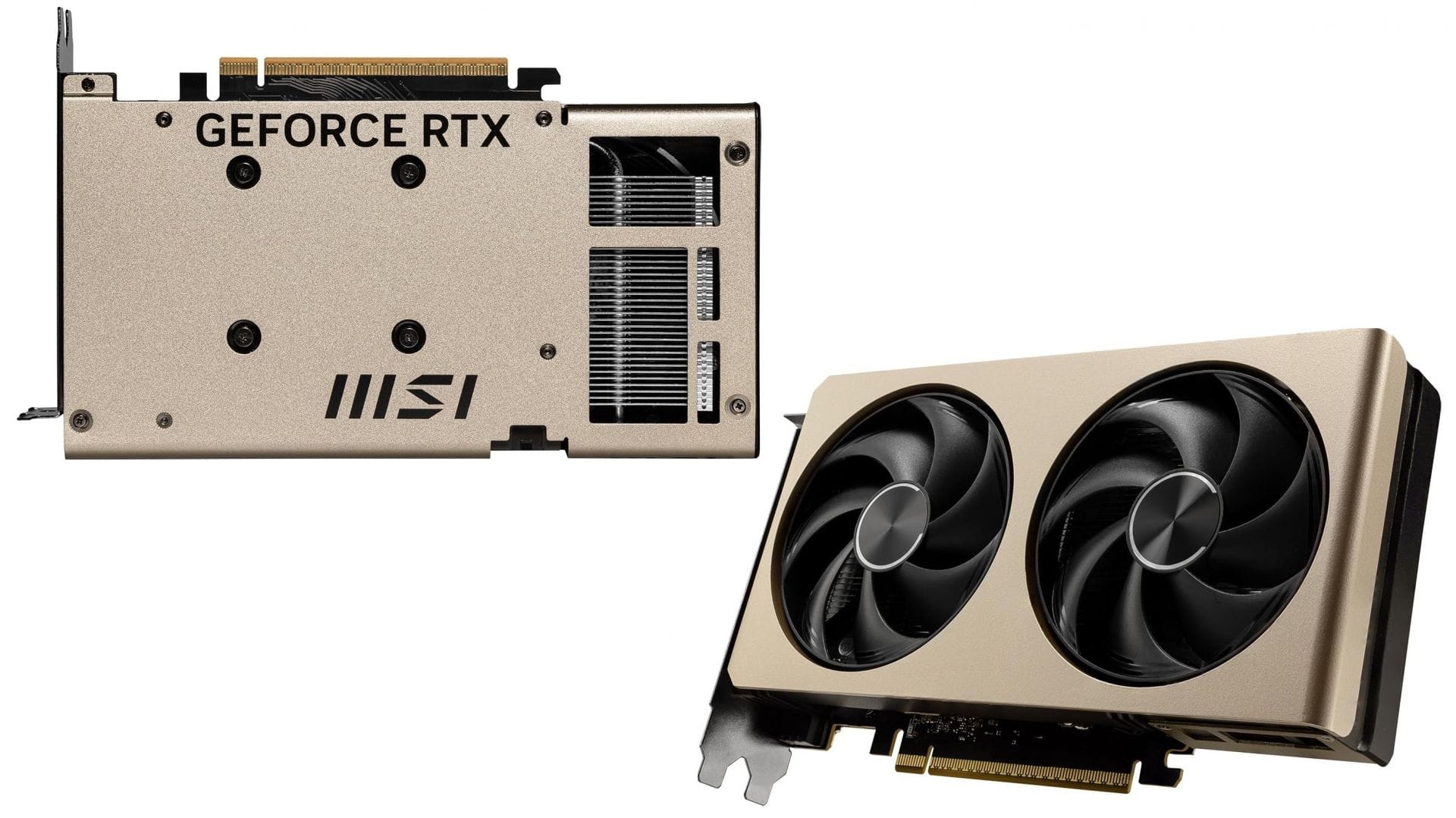
Supply-chain leaks indicate NVIDIA is pausing production of multiple RTX 50-series consumer GPUs to reallocate GDDR7 memory to AI accelerators after reportedly overbooking AI GPU sales, with the pause expected to last until at least Q2 2026. Affected SKUs include the RTX 5090, 5070 Ti, 5060 Ti 16GB and 5060, with the 5070 Ti and 5090 already showing sharp price increases; lower-VRAM/older-GDDR6 cards (e.g., RTX 5050) are less impacted. The move signals stronger-than-expected AI demand that could bolster AI GPU revenue while tightening consumer GPU supply and supporting higher retail prices, and it creates near-term inventory and pricing implications for partners and competitors using the same memory stacks.
Market structure: NVIDIA (NVDA) is the near-term beneficiary as OEM reallocation of GDDR7 to data-center GPUs raises its pricing power and squeezes consumer RTX supply; expect double-digit ASP tailwinds for remaining high-VRAM SKUs and rising spot prices for constrained SKUs (5070 Ti/5090) over the next 3–9 months. Memory suppliers (MU, 000660.KS, SSNLF) gain leverage; AMD (AMD) and AIBs/MSI face margin pressure and lost volume where GDDR7 is required.
Risk assessment: Key tail risks include a sudden AI demand slowdown (50%+ cut in projected AI GPU orders) or regulatory export curbs that idle fabs—either would re-price NVDA materially; operational risks include Micron/SK Hynix capacity ramp delays. Time horizons: immediate (days–weeks) inventory squeezes and price spikes, short-term (3–9 months) reallocation until Q2 2026 per leak, long-term (12–24 months) depends on memory CAPEX responses. Monitor Micron capacity guidance and NVDA channel inventory weekly; catalysts: NVDA earnings, Micron capex updates, US export policy decisions.
Trade implications: Tactical overweight NVDA (2–4% portfolio) with a 3–6 month horizon to capture AI ASP upside; complementary long MU (1–2%) for memory tightness. Implement a long-NVDA/short-AMD pair (2:1 dollar exposure) to isolate memory-driven share shift; use options to define risk—buy NVDA 3-month call spreads (ATM to +10%) and MU 6–12 month LEAPS call spreads.
Contrarian angles: Consensus underestimates that constrained consumer GPU supply can sustain elevated ASPs and channel profits for 6–9 months, creating a revenue windfall even if unit sales dip. Conversely, if AMD pivots to GDDR6-optimized SKUs or secondary markets absorb excess demand, NVDA’s premium could be compressed; historical DRAM reallocations normalized within 6–12 months, so position sizing should assume mean reversion risk.
AI-powered research, real-time alerts, and portfolio analytics for institutional investors.
Request DemoOverall Sentiment
mildly positive
Sentiment Score
0.25
Ticker Sentiment
