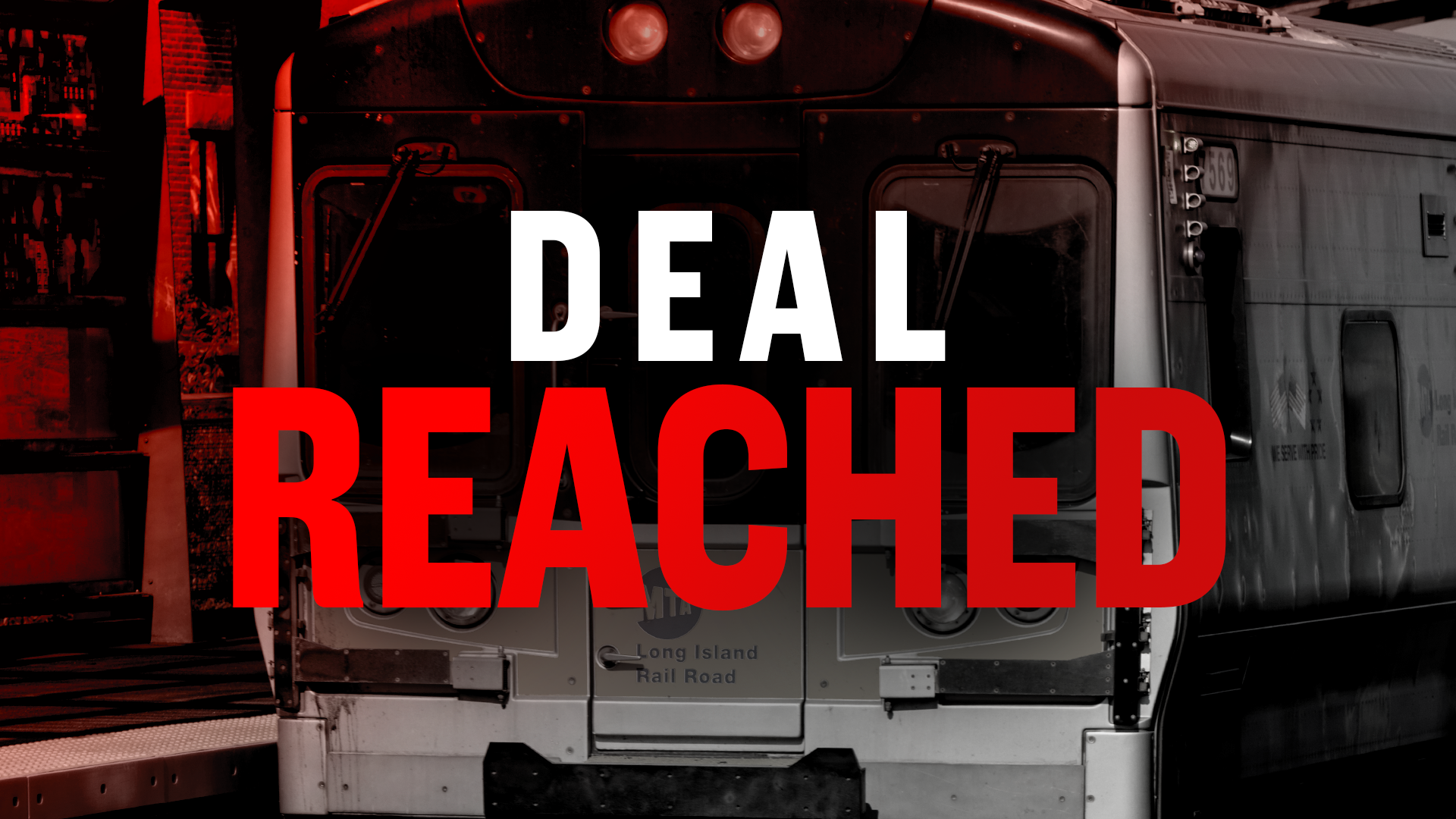
The LIRR strike shut down service for 3 days, affecting about 300,000 daily riders, before a deal was reached Monday night and service was set to resume Tuesday at noon with limited hourly trains on four branches. The MTA said shuttle buses would continue for the morning commute and that full service should return by the evening rush, while also pledging no additional fare or tax increases. The dispute centered on wages and healthcare costs, with the strike disrupting commuting, traffic, and alternative transit across Long Island and New York City.
The immediate market read is not about the strike headline itself but about the fragility of the MTA’s labor-cost framework. A settlement that avoids rider fare hikes or new tax support likely pushes the burden into a more back-ended cost structure, which is politically cleaner in the near term but fiscally less durable if wage pressure persists. That makes the next stress point not this commute disruption, but the next budget cycle when labor settlements, overtime normalization, and service restoration costs reappear together.
The second-order winner is roadway and alternative-transit capacity providers, but only temporarily. This kind of shock tends to compress into a few days of outsized demand for rideshare, car rental, toll-road usage, and bus substitutions, then mean-revert quickly once rail service normalizes; the bigger signal is that peak-period congestion can be tolerated longer than investors usually assume, which reduces the probability of a near-term political concession on congestion pricing or other anti-traffic measures. That means the policy overhang is more important than the strike itself: if leaders conclude the system “held,” they have less incentive to reverse mobility pricing, which is mildly supportive for transit-network monetization over time.
Contrarian takeaway: the consensus is likely overstating the permanence of the disruption and understating the bargaining leverage this creates for management. A short strike followed by a quick resumption can actually strengthen the employer’s hand in future negotiations by showing riders can absorb partial substitution, limiting the unions’ ability to extract a structurally richer deal. The bigger risk is reputational: if commuters infer that regional rail is operationally brittle, business travel and office attendance can see a small but lasting hit over the next 1-2 quarters, especially among hybrid workers who can permanently reoptimize around unreliable service.
AI-powered research, real-time alerts, and portfolio analytics for institutional investors.
Request DemoOverall Sentiment
mildly negative
Sentiment Score
-0.15
Ticker Sentiment
