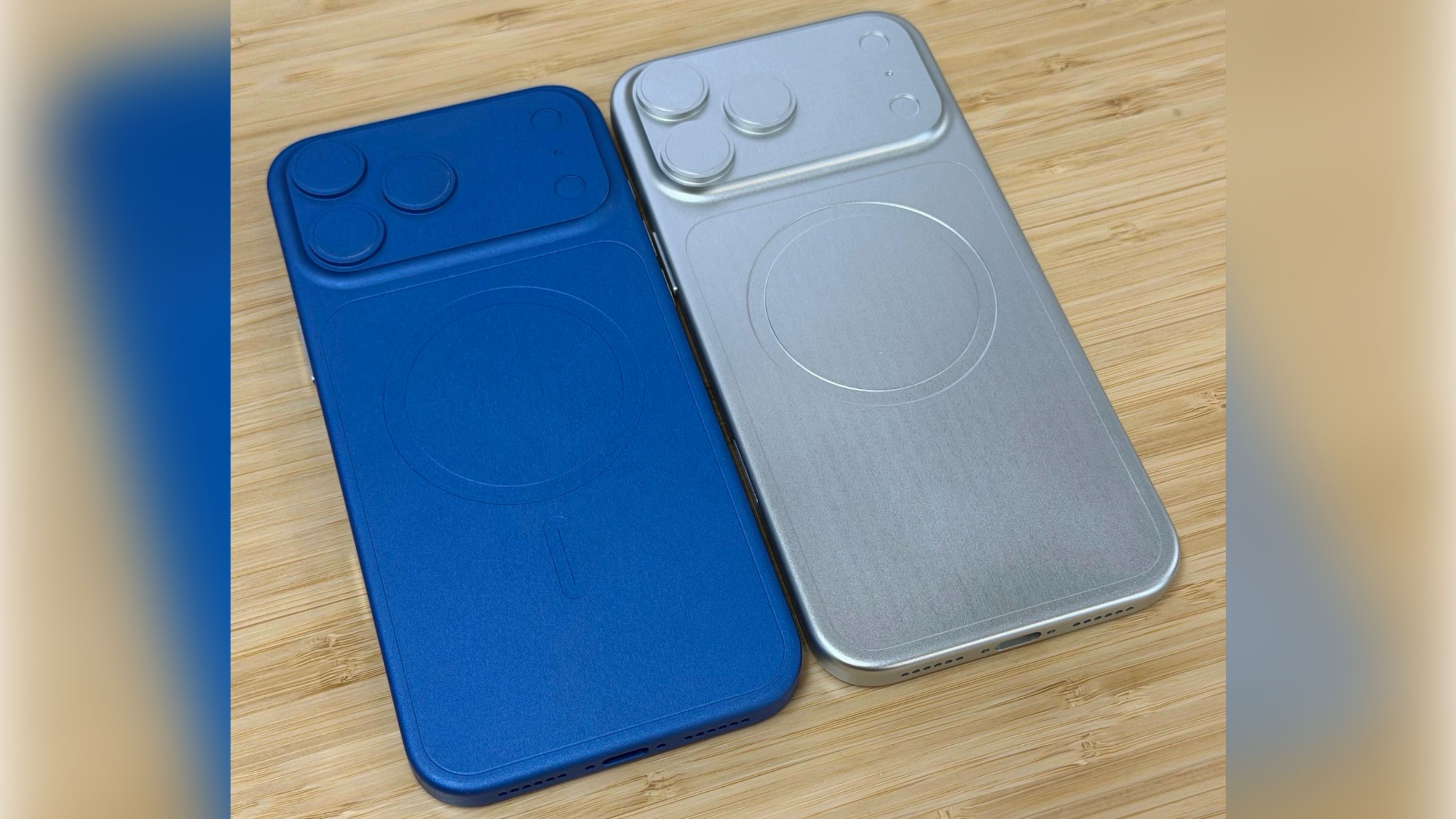
Apple’s iPhone 18 Pro models are rumored to get camera upgrades including a variable-aperture main lens, a larger telephoto aperture, and possibly Samsung’s three-layer stacked image sensor. New dummy units suggest a slightly thicker camera plateau, with the iPhone 18 Pro Max’s total thickness reportedly rising to 11.54mm vs. 11.23mm for the iPhone 17 Pro Max, and lens-bump thickness at 13.77mm vs. 12.92mm. The article is largely speculative and does not indicate an immediate market catalyst.
The incremental hardware change matters less for unit economics than for how Apple is signaling the next upgrade cycle. A visibly larger camera stack usually reads as an internal component-density problem, which is a tell that the company is packing in sensor, aperture, and module complexity rather than chasing industrial design minimalism; that tends to favor the premium tier because it widens the gap between Pro and non-Pro differentiation and protects ASPs even if overall smartphone demand remains soft. The second-order effect is on the camera module supply chain: more sophisticated optics and stacked sensors generally shift value share toward a smaller set of high-end component vendors, while increasing execution risk for assembly yields and calibration.
From a trading lens, the key catalyst is not the September launch itself but the pre-launch rumor cycle and any confirmation that the camera bump is growing because of a variable aperture / larger sensor package. If that narrative sticks, it is modestly bullish for AAPL into the event as it supports premium mix and upgrade intent, but the real upside is in supplier names exposed to advanced image-sensing and precision optics rather than the handset maker alone. The risk is that the market may have already priced in a feature-rich Pro refresh; if the final product looks like a cosmetic bump with limited user-facing differentiation, the stock reaction could fade quickly after launch.
The contrarian view is that Apple may be optimizing for photography experience, not hardware aesthetics, and consumers usually reward better camera performance even when the chassis gets slightly thicker. In other words, a larger module is not necessarily a design negative if it improves low-light and focal flexibility enough to drive replacement demand. The bigger miss in consensus is assuming the market will treat this as an Apple-only story; if the upgrade is real, the more durable trade is in the enabling suppliers and in the downstream Android premium segment that will be forced to match the feature set over the next 2-4 quarters.
AI-powered research, real-time alerts, and portfolio analytics for institutional investors.
Request TrialOverall Sentiment
neutral
Sentiment Score
0.10
Ticker Sentiment
