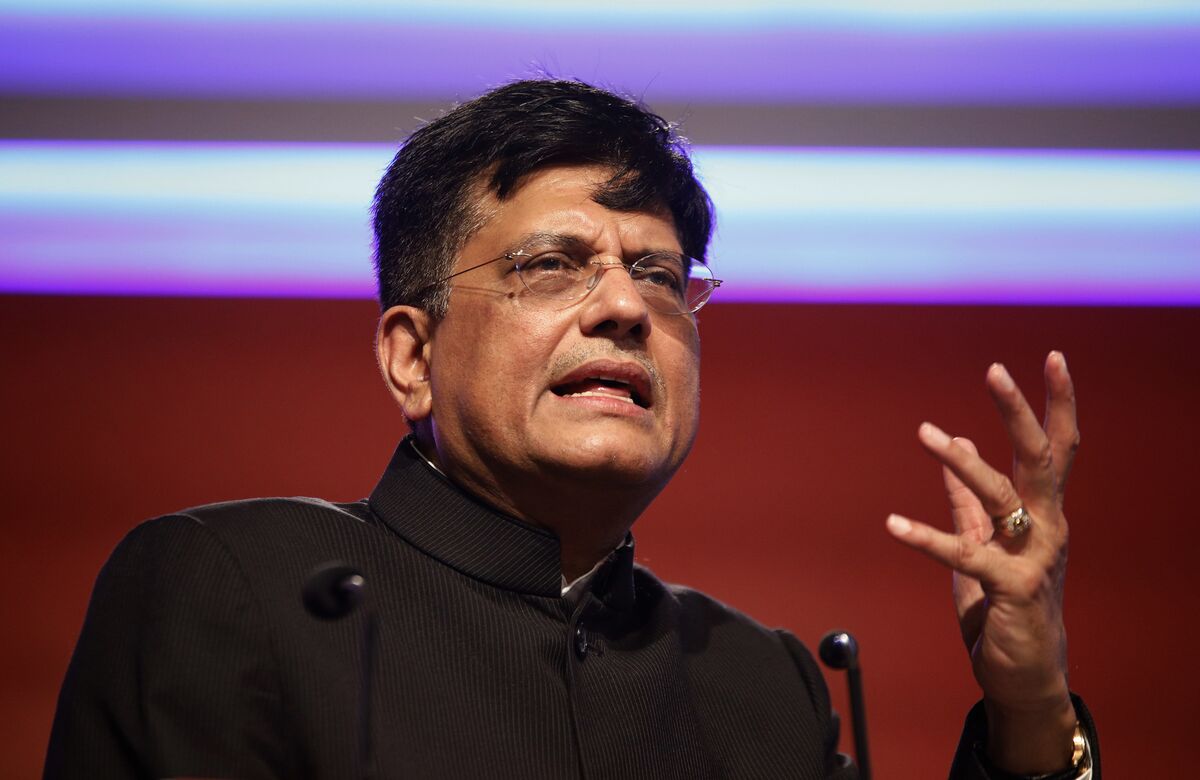
India is adopting a cautious and firm stance in trade negotiations with the US, driven by domestic pressure to protect its politically sensitive farm sector and avoid higher US tariffs. Commerce Minister Piyush Goyal emphasized that talks are guided by "national interests" rather than deadlines, with New Delhi also threatening retaliatory duties on US goods. This signals persistent trade tensions and a challenging path to a resolution as the tariff deadline approaches.
Trade negotiations between the U.S. and India are facing significant headwinds, increasing the probability of new U.S. tariffs being imposed. The Indian government, led by Prime Minister Narendra Modi, is adopting a firm and cautious negotiating posture, primarily driven by domestic political pressure to shield its sensitive agricultural sector. Commerce Minister Piyush Goyal's statement that "national interests" will dictate the timeline, not external deadlines, signals a reduced likelihood of a swift resolution. Furthermore, New Delhi's threat of retaliatory duties on U.S. goods indicates a hardening stance and a potential escalation of trade friction. The moderately negative sentiment and moderate market impact score (0.6) reflect the growing risk that these protracted and politically charged negotiations could fail to produce a deal, introducing uncertainty for assets exposed to bilateral trade flows.
AI-powered research, real-time alerts, and portfolio analytics for institutional investors.
Request DemoOverall Sentiment
moderately negative
Sentiment Score
-0.50
