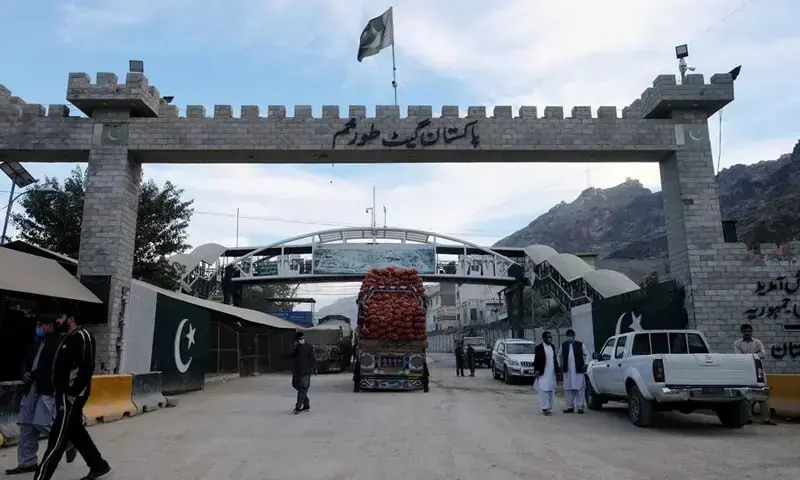
The Torkham border reopened on March 31 and the first batch of ~220 undocumented Afghans was repatriated after closures since Oct 12. The resumption follows bilateral security meetings and an Afghan request, despite a recent security breach that had briefly halted returns; officials established a mechanism to prevent future violations. Approximately 2,000 vehicles and 1,500 drivers remain stranded in Afghanistan, with transporters protesting and demanding arrangements for their safe return, citing financial losses and family stress.
This localized reopening is functionally a logistics decongestion event, not a macro détente. Returning ~2,000 stranded heavy vehicles (roughly 30k–40k tonnes of rolling capacity assuming 15–20t average) removes an acute choke point that had forced cargo onto longer, costlier multimodal routes; expect regional freight rates on corridor lanes to fall 5–15% within 4–8 weeks as capacity normalizes. Reduced use of ad-hoc reroutes also means short-term diesel consumption and spare-parts demand will spike, but replacement-capex demand for new trucks should fall, concentrating benefits into maintenance, insurance, and parts suppliers rather than OEMs.
The event lowers a localized political/regulatory risk premium for Pakistan-Afghanistan land trade, which can translate into ~25–75bp tightening in Pakistan sovereign spreads and a 1–3% PKR appreciation vs USD over 1–3 months if the corridor stays open and cargo flows resume. Financial-sector second-order winners are transport financiers and smaller banks with concentrated exposure to vehicle loans — defaults tied to stranded drivers and repossession risk should decline, improving NPL trajectories over a 3–6 month window.
Material downside remains short-dated and binary: renewed cross-border clashes, a high-casualty incident, or suspension of flag-meetings could re-close the corridor within hours and reverse flows; treat any directional trades as event-dependent with intraday stop rules. Monitor three actionable signals: (1) daily vehicle repatriation rate (goalposts: >500/day sustained for a week), (2) bilateral security incident reports (zero incidents = green), and (3) transporters’ demonstrations/claims settlements (legal/financial resolution indicates durable reopening).
The market is prone to two opposite mistakes here — to underprice the immediate operational relief and to overprice a durable geopolitical turnaround. Position sizing should therefore be tactical and staged: small, conviction-weighted exposure up front, scale on verifiable flow metrics over 2–12 weeks rather than on headlines alone.
AI-powered research, real-time alerts, and portfolio analytics for institutional investors.
Request DemoOverall Sentiment
mildly positive
Sentiment Score
0.15
