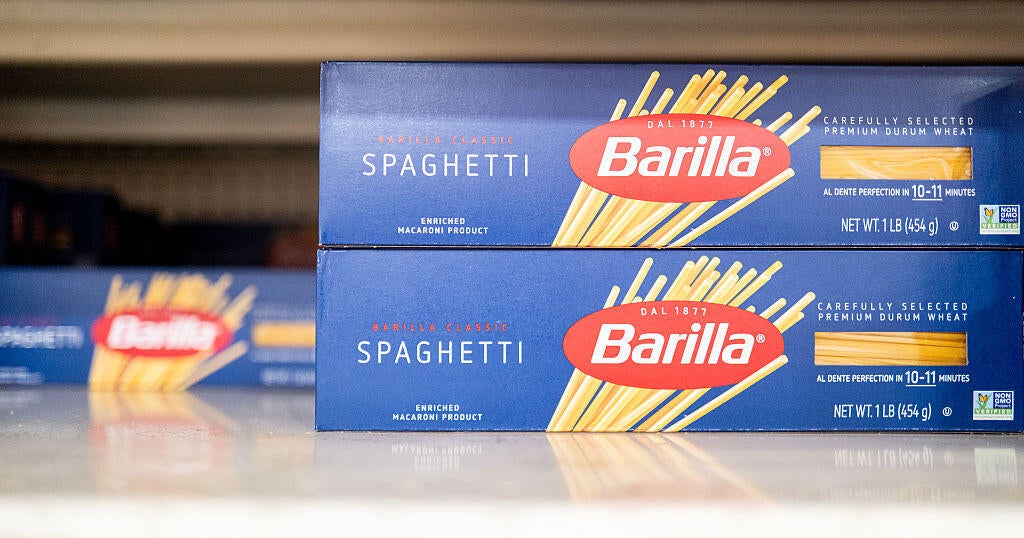
The U.S. Commerce Department has proposed a new 92% anti-dumping duty on 13 Italian pasta exporters, including major brands like Barilla, which, combined with existing tariffs, could result in a total import tax of 107%. This action, stemming from a probe alleging Italian pasta was sold below U.S. market prices, threatens to significantly increase prices or reduce availability for American consumers, potentially causing some Italian companies to exit the $684 million U.S. import market. While the White House states the proposal is not yet final, the impending duties are already prompting some Italian firms to prepare for withdrawal, indicating potential market disruption for a key food import.
The U.S. Commerce Department has proposed a significant 92% anti-dumping duty on 13 Italian pasta exporters, which, when combined with existing tariffs, would result in a 107% import tax. This action stems from a U.S. government probe alleging certain Italian brands, including La Molisana and Pastificio Lucio Garofalo, were selling products below U.S. market prices. This potential duty represents one of the highest import rates imposed by the administration, targeting a market that saw $684 million in Italian pasta imports last year.
Food industry analysts project substantial impacts on American consumers, including higher prices and potential scarcity of Italian pasta, as domestic manufacturing capacity is insufficient to fill the void. Consequently, some Italian pasta makers, such as Barilla, are reportedly preparing to exit the U.S. market as early as January, despite White House assurances that the proposal is not yet final. This indicates a strong likelihood of supply chain disruption and reduced product availability.
The proposed duties are part of a long-running probe initiated in the mid-1990s, where U.S. pasta makers have accused Italian rivals of unfair pricing. While the White House states there's no "hard date" for implementation and companies have time for review, the proactive withdrawal by some Italian firms underscores the perceived severity of the threat. The situation highlights escalating trade tensions and their direct impact on specific consumer goods sectors.
AI-powered research, real-time alerts, and portfolio analytics for institutional investors.
Request DemoOverall Sentiment
strongly negative
Sentiment Score
-0.75
