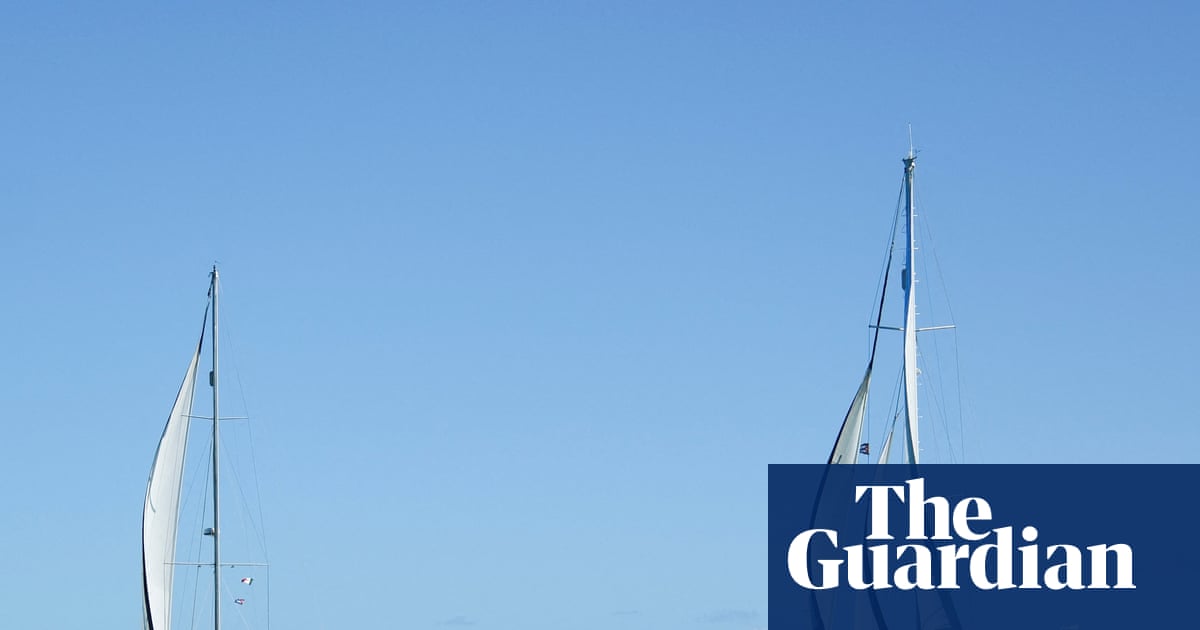
Two sailboats from an international 'Our America' aid convoy have safely reached Cuba after earlier being reported missing; nine people were thought to be onboard and the mission involved activists from roughly 30 countries. The convoy, which included high-profile figures (Jeremy Corbyn, Pablo Iglesias), sought to deliver food and medicine amid a domestic fuel crisis — President Díaz-Canel says Cuba has received no fuel for nearly four months. The incident highlights geopolitical tensions and US sanctions/blockade allegations but is unlikely to have material market impact.
Politically motivated maritime operations in contested regions create a discrete re-pricing mechanism for marine liability and political-risk coverage. Expect P&I clubs and specialty reinsurers to increase premiums and tighten underwriting within a 3–12 month window; administrative friction (flag checks, route restrictions, additional reporting) will raise effective voyage costs by low-double-digit percentages for small-charter operators.
Energy-logistics second-order effects are asymmetric: constrained, hard-to-insure supply corridors push commodity flows toward larger, well-insured suppliers and longer-haul shipments that increase tanker tonne-miles. That transfers margin to refiners and large tanker owners who can accept longer voyages and weather enhanced compliance checks, creating a near-term uplift in utilization and freight rates over the next 1–6 months if disruptions persist.
The regulatory/tail-risk vector is escalation of sanctions enforcement to intermediaries (brokers, ports, insurers) rather than only end-state actors — a faster, stealthier lever for policy makers. This raises idiosyncratic event risk for corporates with emerging-market logistics exposure; de-escalation or legal clarification could reverse price moves quickly within 30–90 days, making timing and optionality crucial for trades.
AI-powered research, real-time alerts, and portfolio analytics for institutional investors.
Overall Sentiment
mixed
Sentiment Score
0.00
