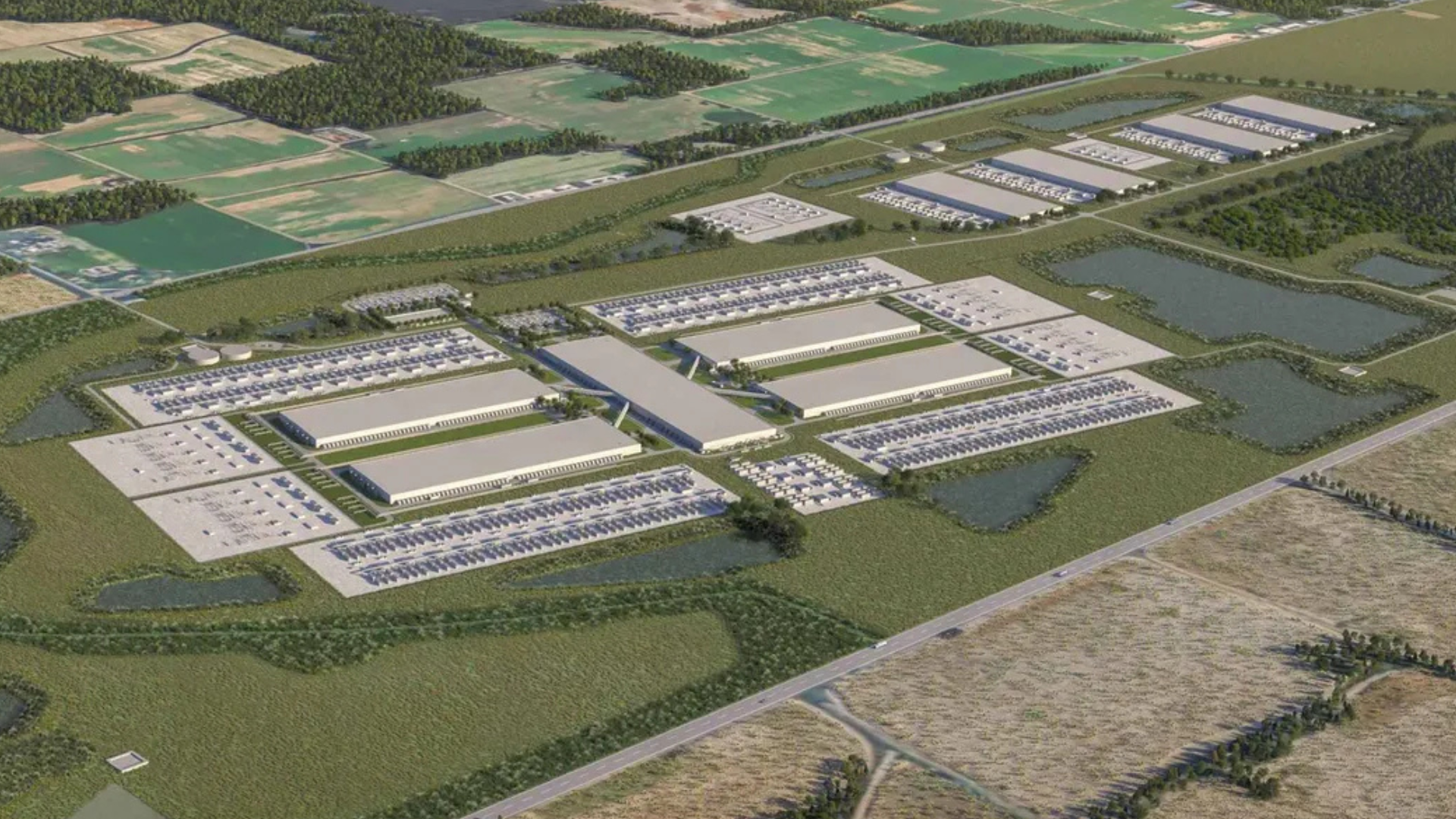
More than a dozen shareholders have filed resolutions ahead of spring annual meetings asking Amazon, Microsoft and Alphabet to disclose site-level water and energy consumption at U.S. data centers. North American data centers consumed nearly 1 trillion liters of water in 2025, and Trillium highlighted Alphabet emissions rose 51% since its 2020 pledge to halve emissions by 2030. Investors say site-specific disclosure is needed to assess local operational risks; Amazon says it is increasingly disclosing site data, Microsoft reiterates sustainability commitments, and Google declined to comment. Bloomberg and other studies also note many planned U.S. data-center builds for 2026 have been delayed or canceled amid infrastructure and community pushback.
Site-level disclosure is a governance shock that re-prices locality risk rather than cloud demand. Investors will quickly map disclosed water and power footprints onto permitting timelines and municipal balance sheets, creating a transactable spread between campuses that are “permitting-risk free” and those with contested resource baselines; expect this valuation differential to crystallize within 3–12 months as filings and FOIA-style data requests accumulate.
Supply-chain winners are niche: liquid- and air-cooled rack OEMs, desalination/closed-loop integrators, and developers who can bundle firmed PPAs with water guarantees will capture outsized incremental spend, while owners of speculative land in arid counties and hyperscaler projects lacking utility pre-contracts will carry meaningful funding and time-to-build risk. This dynamic also increases the optionality value of firms that already publish granular operational metrics — transparency becomes a competitive moat for winning community consent and fast-tracked interconnection agreements.
The immediate market reaction will be noisy but short-lived; the real catalysts are 6–24 month: AGM votes, municipal permitting pivots, and any federal/state regulatory guidance that standardizes water reporting. Contrarian read: disclosure is a de-risking event over 12–36 months — short-term headline pressure could be overstated because revealing risk enables targeted mitigation (desal, air cooling, PPAs) that reduces stranded-capex probability. Tradeable windows are therefore near-term volatility around AGMs and a 6–18 month re-rating as mitigation capex is deployed and community approvals either follow or fail.
AI-powered research, real-time alerts, and portfolio analytics for institutional investors.
Request DemoOverall Sentiment
neutral
Sentiment Score
0.00
Ticker Sentiment
