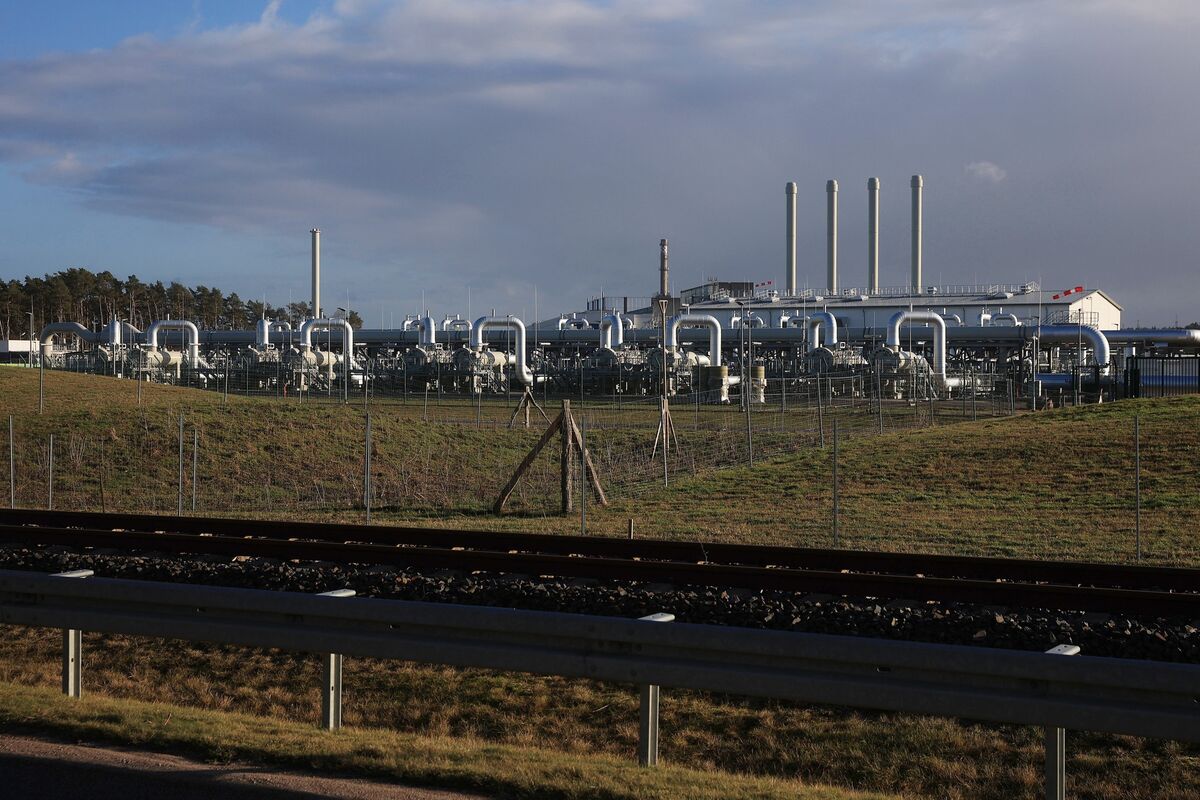
The European Union is considering including the Nord Stream 2 gas pipelines in a new sanctions package against Russia, aiming to prevent the resumption of gas flows. The European Commission will consult with member states on banning the pipelines, with the decision influenced by progress in talks to end the war in Ukraine. This move reflects the EU's continued efforts to reduce reliance on Russian gas.
The European Union is advancing discussions to incorporate the Nord Stream 2 gas pipelines into a new sanctions package against Russia, signaling a determined effort to permanently halt any prospect of gas flows through these conduits. The European Commission will consult member states, and the decision will be influenced by the status of negotiations to end the war in Ukraine, reflecting the EU's consistent strategy to reduce energy reliance on Moscow and exert continued pressure. This development carries a moderately negative sentiment and an uncertain tone, with a moderate market impact score of 0.6, indicating potential for increased volatility in energy markets and heightened geopolitical risk. The focus on sanctions directly impacts themes of energy markets, geopolitics, and trade policy, underscoring the intricate link between political decisions and economic consequences.
AI-powered research, real-time alerts, and portfolio analytics for institutional investors.
Request DemoOverall Sentiment
moderately negative
Sentiment Score
-0.45
