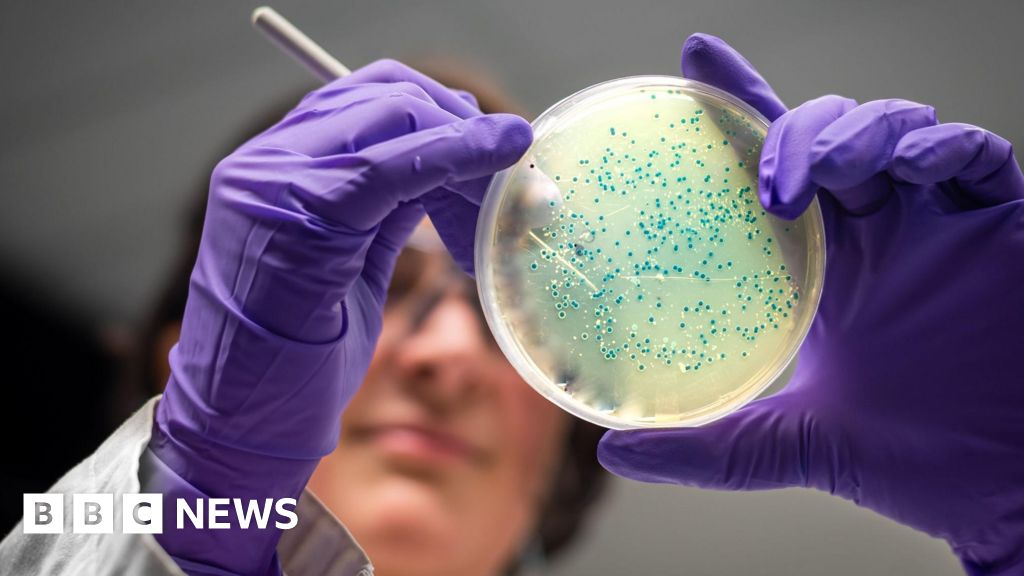
MIT researchers have leveraged generative AI to design two novel antibiotic candidates effective against drug-resistant gonorrhoea and MRSA, marking a significant advancement in combating the global superbug crisis. While these compounds demonstrated efficacy in lab and animal tests and represent a potential 'second golden age' for antibiotic discovery, they face substantial hurdles including years of refinement, costly clinical trials, manufacturing complexities, and the inherent economic challenge of limited commercial viability due to the need for judicious use to preserve efficacy.
Researchers at the Massachusetts Institute ofT (MIT) have successfully employed generative artificial intelligence to design two novel antibiotic candidates, a significant development in the fight against drug-resistant superbugs like gonorrhoea and MRSA. As detailed in the journal Cell, this approach represents a fundamental advance from previous AI applications, which primarily screened existing chemical libraries; this new method designs potential drugs atom-by-atom from scratch. While the resulting compounds demonstrated efficacy in laboratory and animal models, they face substantial and protracted development hurdles. The path to clinical use involves an estimated one to two years of refinement before entering the lengthy and expensive clinical trial phase, which carries no guarantee of success. Furthermore, the research highlights critical bottlenecks, including significant manufacturing challenges—only two of the top 80 theoretically designed compounds were successfully synthesized. The report also underscores a persistent, systemic economic problem: the commercial viability of new antibiotics is inherently limited because their use must be restricted to preserve efficacy, thus depressing potential revenue and discouraging private investment.
AI-powered research, real-time alerts, and portfolio analytics for institutional investors.
Request DemoOverall Sentiment
moderately positive
Sentiment Score
0.60
