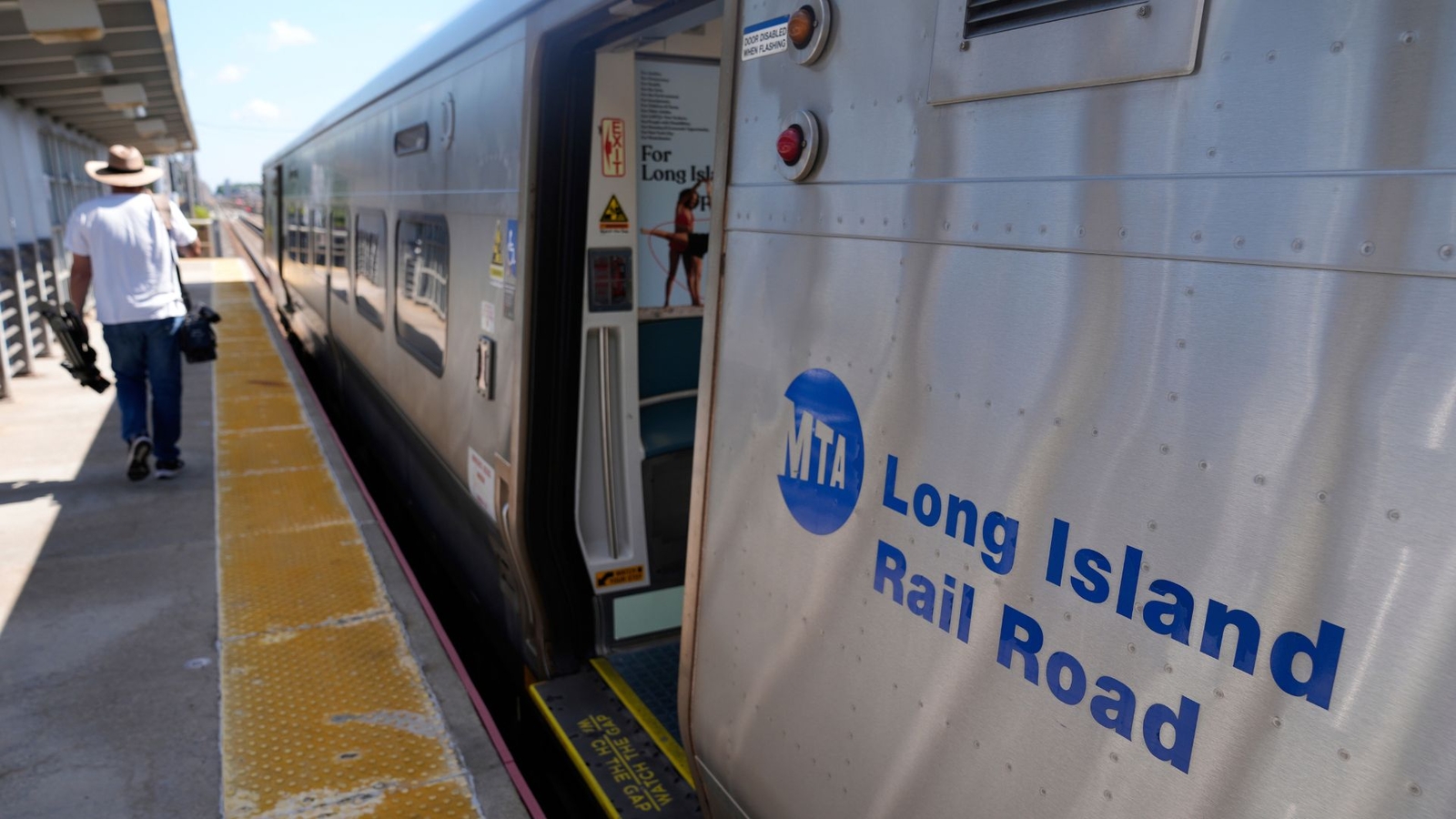
The Long Island Rail Road strike has halted service, prompting the MTA to deploy shuttle buses from Long Island stations to Queens subway connections and to open the Citi Field parking lot for commuters. Peak-hour shuttles will run toward Manhattan from 4:30 to 9 a.m. and back to Long Island from 3 to 7 p.m., while officials are urging remote work and warning of severe congestion and delays. The disruption is likely to pressure regional transportation flows and commuting patterns in New York.
The first-order hit is not just commuter inconvenience; it is a temporary re-pricing of urban mobility capacity. The bigger second-order winners are ride-hail, nearby parking operators, and transit-adjacent retail, but the more investable angle is that this kind of disruption forces short-term modal substitution into assets already strained by peak-hour bottlenecks, which can produce outsized congestion externalities relative to the duration of the event. That creates a negative operating shock for any business relying on predictable inbound labor flow into Midtown and Downtown, especially service-heavy employers with thin staffing buffers.
For MTA exposure, the immediate market impact is less about fare revenue and more about political optionality: the state is effectively signaling willingness to absorb operational and reputational costs to prevent broader economic disruption. That reduces tail risk around a prolonged shutdown, but it also raises the probability of expedited concessions or emergency funding discussions if the strike persists beyond a few trading sessions. In other words, the near-term earnings impact is muted, but the policy/regulatory overhang on transit stakeholders can persist for weeks.
The main market transmission is to consumer and small-cap names with high in-person labor intensity in the outer boroughs and Long Island, where absenteeism and late arrivals can meaningfully dent same-store sales and appointment throughput. The offset is that some employers may discover work-from-home substitution is cheaper and sticks after the strike, which lowers the eventual rebound for office-dependent demand. That makes this more of a demand re-routing event than a pure demand destruction event.
Contrarian take: consensus will likely underprice how quickly this normalizes if the state can keep shuttles moving and if employers broaden remote work permissions. The better trade is not to chase a broad short on NYC activity, but to focus on the narrow set of names most exposed to daily commuter friction and on short-dated volatility where implieds may not fully capture a multi-day disruption that can still be resolved quickly.
AI-powered research, real-time alerts, and portfolio analytics for institutional investors.
Request DemoOverall Sentiment
moderately negative
Sentiment Score
-0.35
Ticker Sentiment
