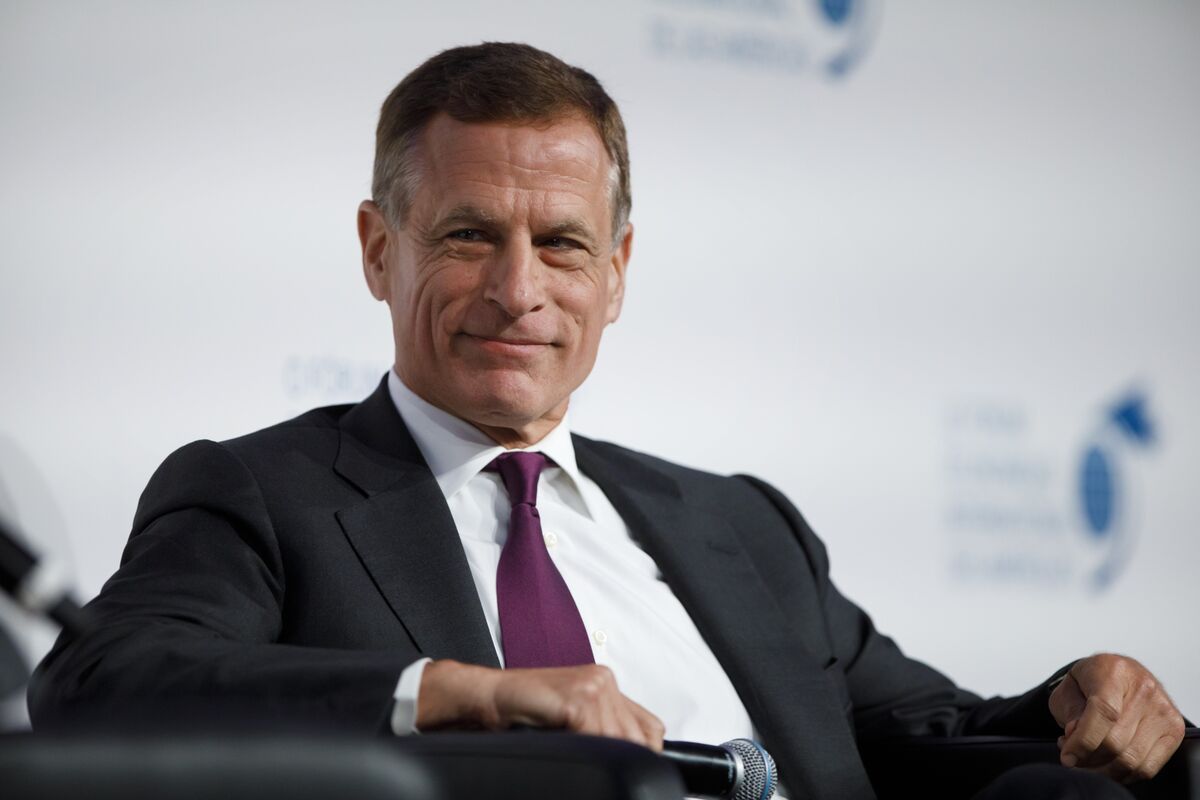
Goldman Sachs Vice Chairman Robert Kaplan reports that institutional investors are beginning to re-evaluate their substantial US allocations, driven by growing interest in opportunities within Europe and Asia. While some are considering hedging the dollar to mitigate currency risk, Kaplan notes that overall investor sentiment towards the US market remains positive, suggesting a potential strategic rebalancing of global portfolios.
According to Goldman Sachs Vice Chairman Robert Kaplan, a notable shift in institutional investor sentiment appears to be underway, with market participants beginning to question the scale of their allocations to U.S. markets. This re-evaluation is reportedly driven by a search for growth opportunities in Europe and Asia, suggesting a potential strategic rebalancing of global portfolios. A key tactical consideration emerging from this sentiment is the increased discussion around hedging U.S. dollar exposure to mitigate currency risk. However, Kaplan's commentary indicates this is not a wholesale retreat from U.S. assets, as investors are said to remain 'excited' about the U.S. as an investment destination. The situation points to a nuanced trend of diversification and risk management rather than a outright bearish turn on the United States, reflecting a move towards a more globally balanced investment posture.
AI-powered research, real-time alerts, and portfolio analytics for institutional investors.
Request DemoOverall Sentiment
mixed
Sentiment Score
0.00
Ticker Sentiment
