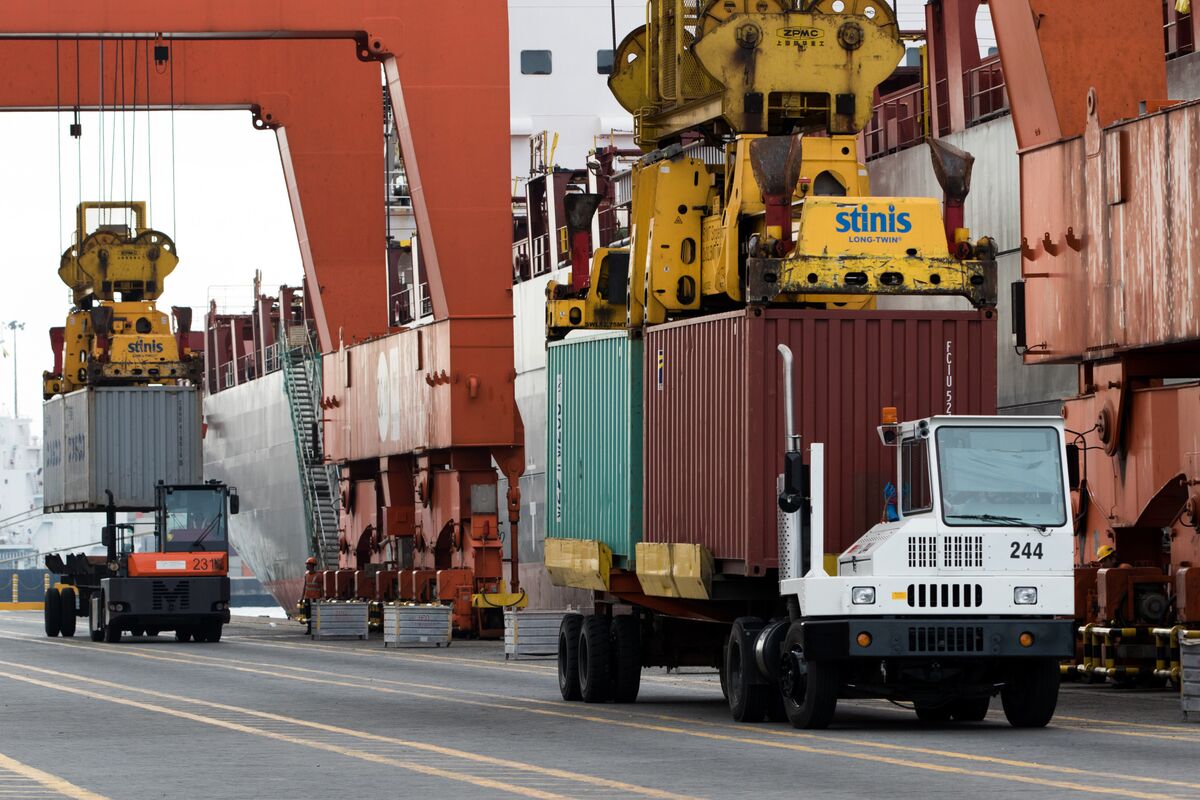
S&P Global Ratings projects the Philippine economy will demonstrate resilience against higher US tariffs, primarily due to its low reliance on exports. However, the nation faces a potential risk of reduced foreign direct investment amid global uncertainty, though its easier monetary policy is expected to help shield one of Asia's fastest-growing economies from volatile external demand.
According to an assessment by S&P Global Ratings, the Philippine economy is positioned to be largely resilient to the direct impact of higher US tariffs, a strength derived from its comparatively low reliance on exports. This structural insulation is further supported by an accommodative monetary policy, which S&P notes should help shield one of Asia's fastest-growing economies from volatility in external demand. However, this positive domestic outlook is tempered by a significant external risk. S&P has explicitly flagged the potential for a decline in foreign investment as a key vulnerability, driven by pervasive global uncertainty. Therefore, the macroeconomic picture is characterized by a durable domestic consumption and policy framework, but with a notable sensitivity to international capital flow dynamics.
AI-powered research, real-time alerts, and portfolio analytics for institutional investors.
Request DemoOverall Sentiment
moderately positive
Sentiment Score
0.40
Ticker Sentiment
