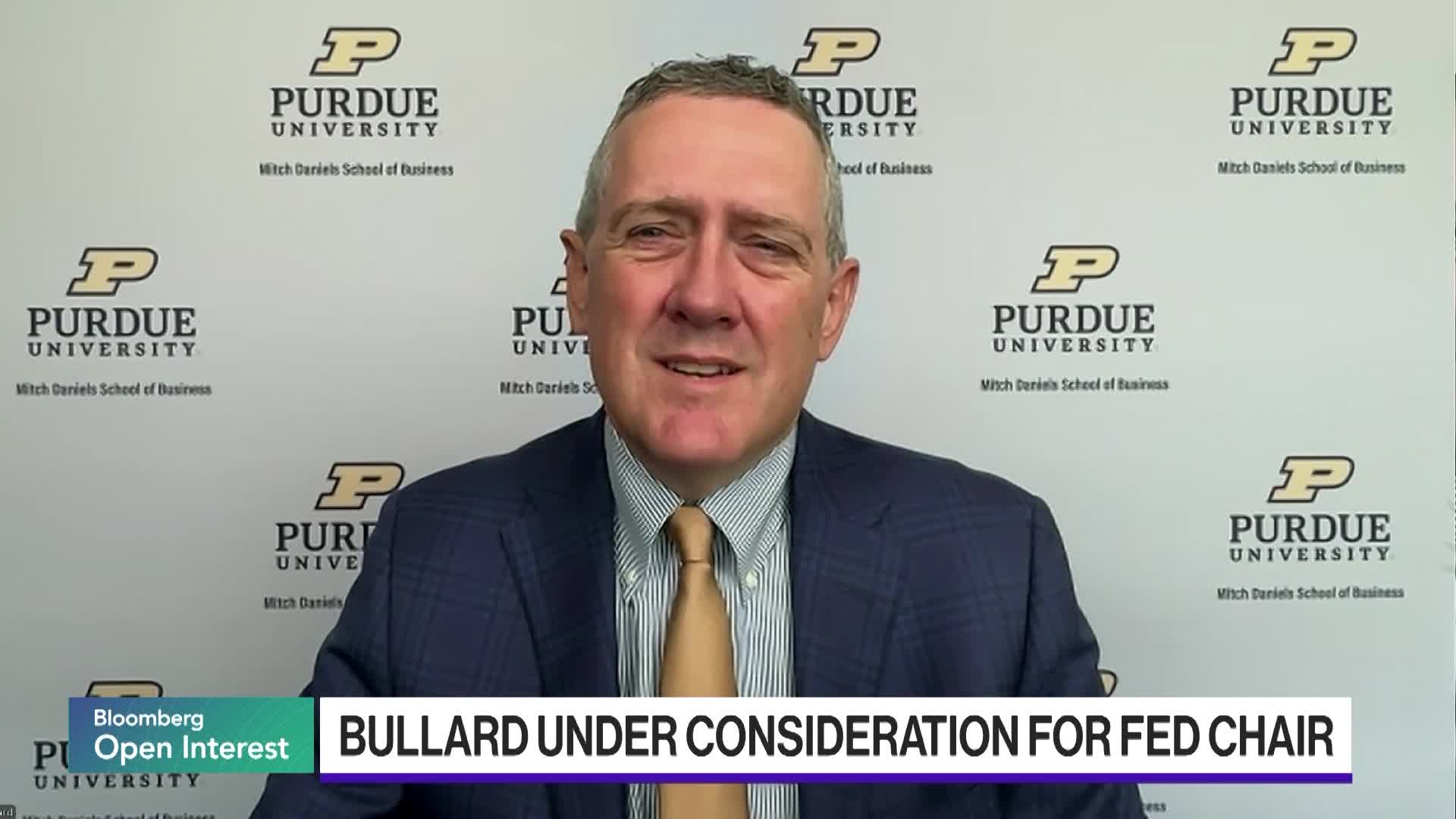
Jim Bullard, former St. Louis Fed President, anticipates the Federal Reserve will implement a rate cut at its September meeting and indicated he would aim to disrupt "group think" at the central bank if appointed Fed Chair. His remarks offer insight into potential near-term monetary policy shifts and a desire for more diverse perspectives within Fed leadership.
Former St. Louis Fed President Jim Bullard has provided a notable dovish signal, forecasting a probable interest rate cut by the Federal Reserve at its September meeting. As an influential voice on monetary policy, his prediction carries weight and aligns with a moderately positive market sentiment, suggesting that investors may price in a higher likelihood of easing. This outlook is significant as it points to a potential near-term pivot in Fed policy. Separately, Bullard's comment on aiming to break up "group think" if he were to be named Fed Chair introduces a longer-term consideration regarding the central bank's governance and the potential for more diverse, and possibly less predictable, policy viewpoints under different leadership.
AI-powered research, real-time alerts, and portfolio analytics for institutional investors.
Request DemoOverall Sentiment
moderately positive
Sentiment Score
0.50
