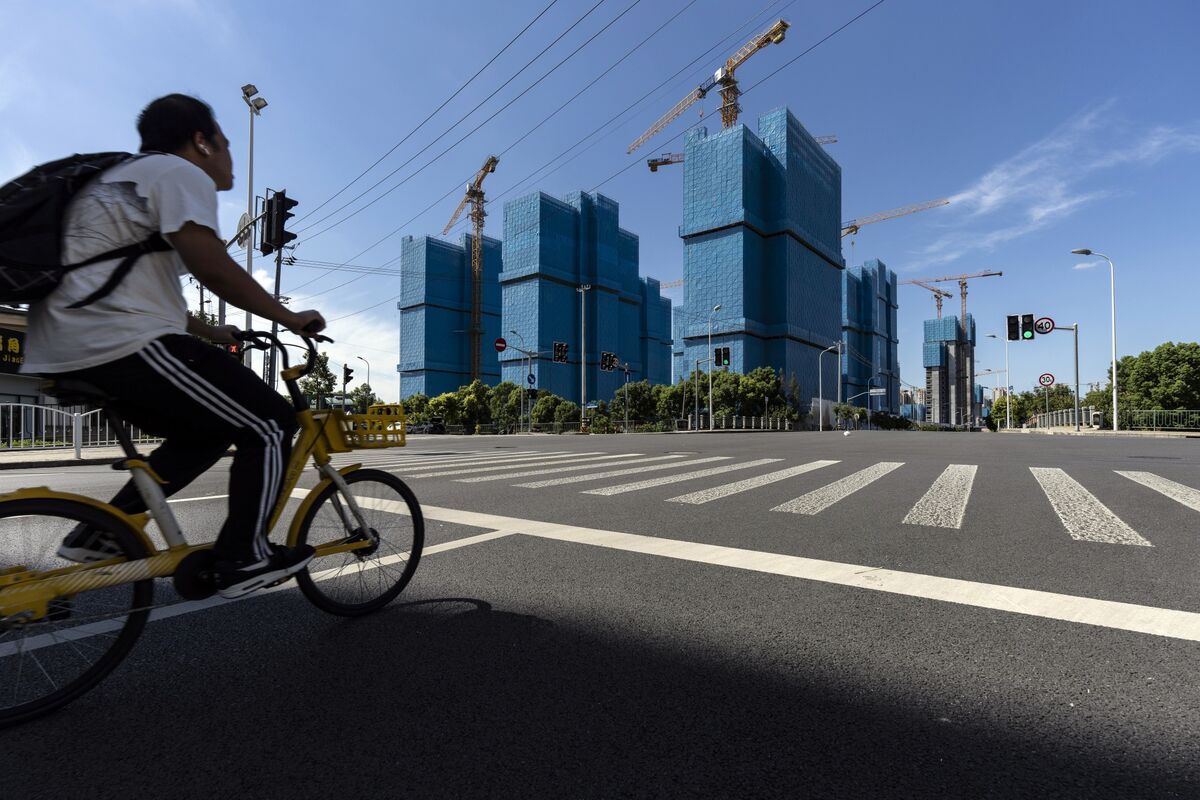
The Chinese real estate market is characterized as the largest historical bubble, having served as a major driver of wealth for both households and companies. Chinese policymakers are currently engaged in a delicate balancing act, attempting to gradually deflate this bubble to ensure housing affordability without triggering a complete market collapse, underscoring significant systemic risk and policy challenges.
China's real estate market is currently characterized as the "biggest bubble in history," having served as a major driver of wealth for both households and companies. This has created a complex economic landscape where housing affordability remains a critical challenge despite its role in broader economic progress. The market's current state reflects a moderately negative sentiment with an uncertain tone, indicating significant systemic risk.
Chinese policymakers are engaged in a delicate balancing act, aiming to gradually deflate this property bubble without triggering a complete market collapse. This strategy underscores the inherent tension between ensuring housing affordability and maintaining real estate's function as a national store of wealth. The situation is classified under key themes including Housing & Real Estate, Emerging Markets, Monetary Policy, and Regulation & Legislation.
The market impact of this ongoing situation is assessed as high (0.75), suggesting potential for broad economic repercussions. The controlled deflation strategy, while intended to mitigate a hard landing, introduces prolonged uncertainty regarding asset valuations and economic stability within the emerging market context. This necessitates close monitoring of policy developments given the interconnectedness of real estate with China's broader economy.
AI-powered research, real-time alerts, and portfolio analytics for institutional investors.
Overall Sentiment
moderately negative
Sentiment Score
-0.50
Ticker Sentiment
