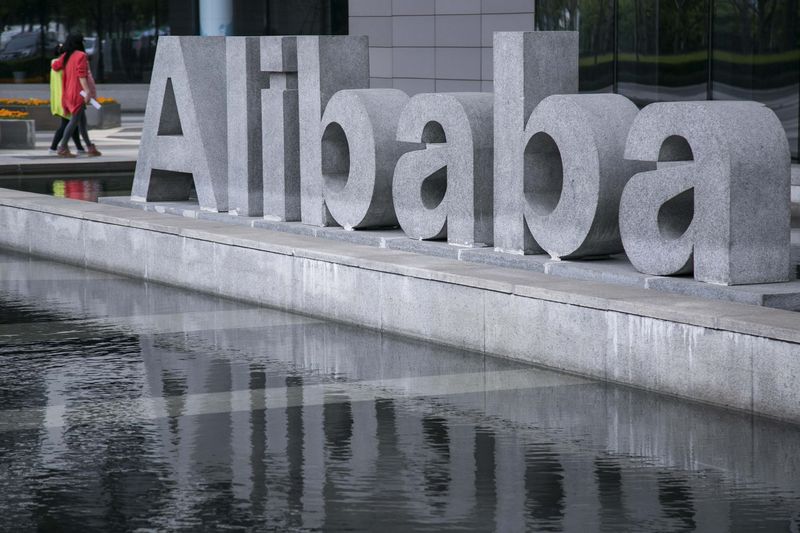
Shares trade at $125.01, down 32% over the past six months, after Alibaba reported Q3 fiscal revenue and profitability below expectations. Morgan Stanley says a cloud price increase will drive near-term cloud growth while maintaining long-term cloud margins of 20% and reiterated Overweight with a $180 PT; Susquehanna, Mizuho and Jefferies trimmed targets to $170, $190 and $212 respectively but kept positive ratings. Alibaba unveiled the XuanTie C950 AI chip (RISC‑V) that is reported to be >3x faster, is prioritizing AI (Qwen App) and AI+Cloud investments, and management has been aggressively buying back stock; market cap cited at $272.68B.
Alibaba’s pivot to owning more of the AI value chain (models, inference stack, and silicon) creates optionality that is not linear — monetization of an agent can compress time-to-profitability for cloud services by converting low-margin infrastructure revenues into higher-margin subscription and transaction streams. I estimate a successful consumer/enterprise agent rollout could re-rate cloud multiples by 20–40% over 12–24 months if it drives even a 5–10% ARPU lift among top-tier customers, because software/agent revenue typically carries 2–3x the gross margin of raw compute sales.
Second-order beneficiaries include the RISC-V ecosystem and native inference hardware suppliers inside China; increased internal silicon usage reduces foreign GPU dependency for certain inference workloads, pressuring NVIDIA’s incremental addressable market in China over a multi-year horizon while accelerating local supplier scale economics. Conversely, large enterprise customers facing higher effective cloud bills may trade down elasticity into multi-cloud or private cloud setups, creating a near-term demand drag if price increases outpace perceived value delivery.
Key near-term inflection points to watch are cloud bookings and retention (next 3–6 months), early monetization metrics from consumer/enterprise agent pilots (6–12 months), and cadence of buybacks / capital return (quarterly) which signal management’s conviction. The main downside catalysts are sustained top-line softness leading to multiple compression and regulatory shocks to data/AI models — either could wipe out the upside embedded in current expectations within 3–6 months, while successful model monetization plays out over 12–36 months.
AI-powered research, real-time alerts, and portfolio analytics for institutional investors.
Request DemoOverall Sentiment
mixed
Sentiment Score
0.05
Ticker Sentiment
