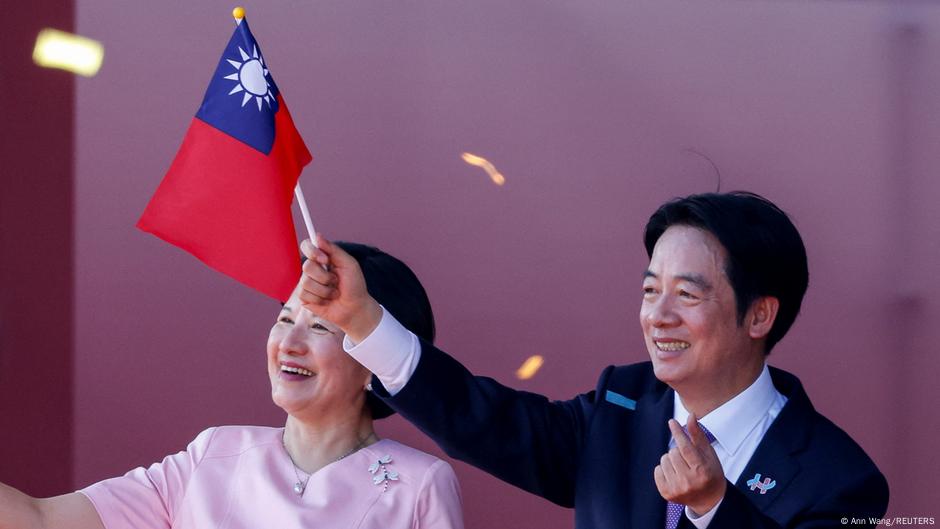
Taiwanese President Lai Ching-te announced an accelerated build-out of the 'T-Dome' air defense system and a significant increase in defense spending, targeting over 3% of GDP next year and 5% by 2030, with a special budget proposed by the end of 2025. This substantial investment, driven by rising threats from China, is intended to bolster Taiwan's domestic defense industry and supply chains, signaling a strategic shift in national resource allocation and industrial policy.
Taiwanese President Lai Ching-te announced a significant acceleration of the "T-Dome" air defense system, backed by substantial fiscal commitments. Defense spending is projected to exceed 3% of GDP next year and reach 5% by 2030, with a special budget proposed by the end of 2025. This represents a material reallocation of national resources towards defense capabilities.
The increased expenditure is explicitly aimed at countering rising threats from China and bolstering Taiwan's domestic defense industry and supply chains. This strategic shift is designed to foster a "robust line of defense" and reduce reliance on external suppliers, indicating a long-term industrial policy focus.
The move underscores escalating geopolitical tensions in the Taiwan Strait, with Taiwan seeking to "maintain peace through strength" against China's annexation threats. While the overall sentiment is moderately negative due to geopolitical risks, the substantial defense investment signals a significant market impact, particularly for defense-related sectors.
AI-powered research, real-time alerts, and portfolio analytics for institutional investors.
Request DemoOverall Sentiment
moderately negative
Sentiment Score
-0.50
