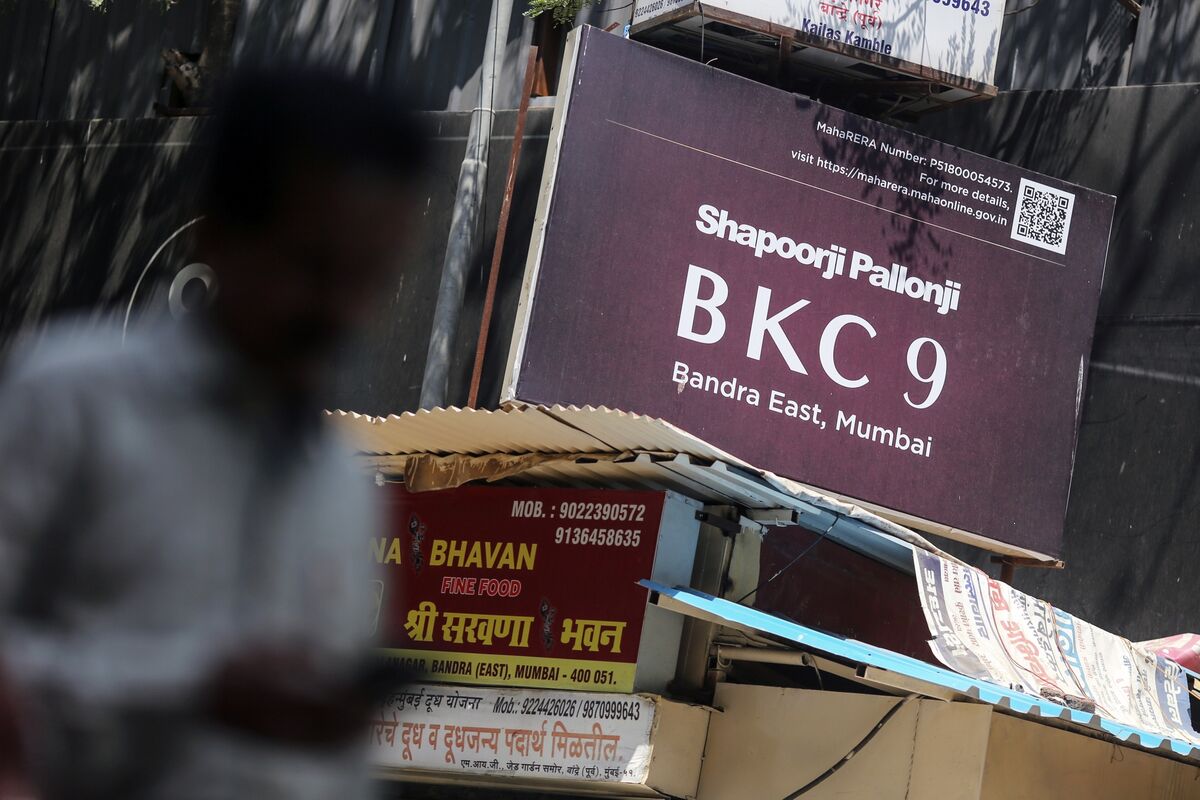
Shapoorji Pallonji Group won unanimous creditor approval to extend maturity on its 20.75% bond from April 30 to June 30, avoiding a near-term repayment deadline. Bondholders received a 25 bps consent fee for agreeing to the delay. The news is supportive for near-term liquidity but mainly reflects a short-term restructuring of the debt rather than a broader credit event.
This is less a credit event than a liquidity management signal: a last-minute maturity extension with a consent fee implies the issuer has enough negotiating leverage to avoid an immediate default optics event, but not enough balance-sheet flexibility to absorb the payment cleanly. The market should read this as an incremental positive for near-dated high-yield India credits because it validates a holdout-discipline framework — creditors preferred a small fee and short extension over a disorderly outcome — but it also confirms refinancing windows remain fragile for levered infrastructure sponsors.
The second-order effect is on price discovery across the local private credit and offshore high-yield complex. A successful short extension can compress near-term default probabilities for similarly structured Indian conglomerate paper, yet it likely raises funding costs for the next issuer in line as investors reprice extension risk and demand higher consent premiums. That means the real losers are not today’s bondholders but the marginal borrower trying to refinance in the next 1-2 quarters, especially where asset sales or sponsor support are the only credible exit ramps.
Catalyst-wise, the key horizon is the next 30-90 days: if this extension is followed by a cleaner refinancing or asset monetization, the market will infer optionality remains; if it is followed by another deferral, the bond shifts from a liquidity story to a solvency story. The tail risk is a broader contagion to India high-yield issuance appetite if international accounts conclude that maturity kicks are becoming normalized rather than exceptional. The contrarian view is that unanimous consent at a modest fee suggests this may be more manageable than feared — if creditors truly believed recovery was impaired, they would have demanded materially more than 25 bps for two extra months.
For portfolios, this is a tactical relative-value setup rather than a directional macro call: it argues for owning the cleaner end of Indian quasi-sovereign or large-cap INR credit versus sponsor-backed infrastructure credit where refinancing dependence is high. The trade is not in chasing this specific name after the extension; the edge is in anticipating that the next wave of issuance will need to clear at wider spreads, especially for names with near-term maturities and limited public-market access.
AI-powered research, real-time alerts, and portfolio analytics for institutional investors.
Request TrialOverall Sentiment
neutral
Sentiment Score
0.15
