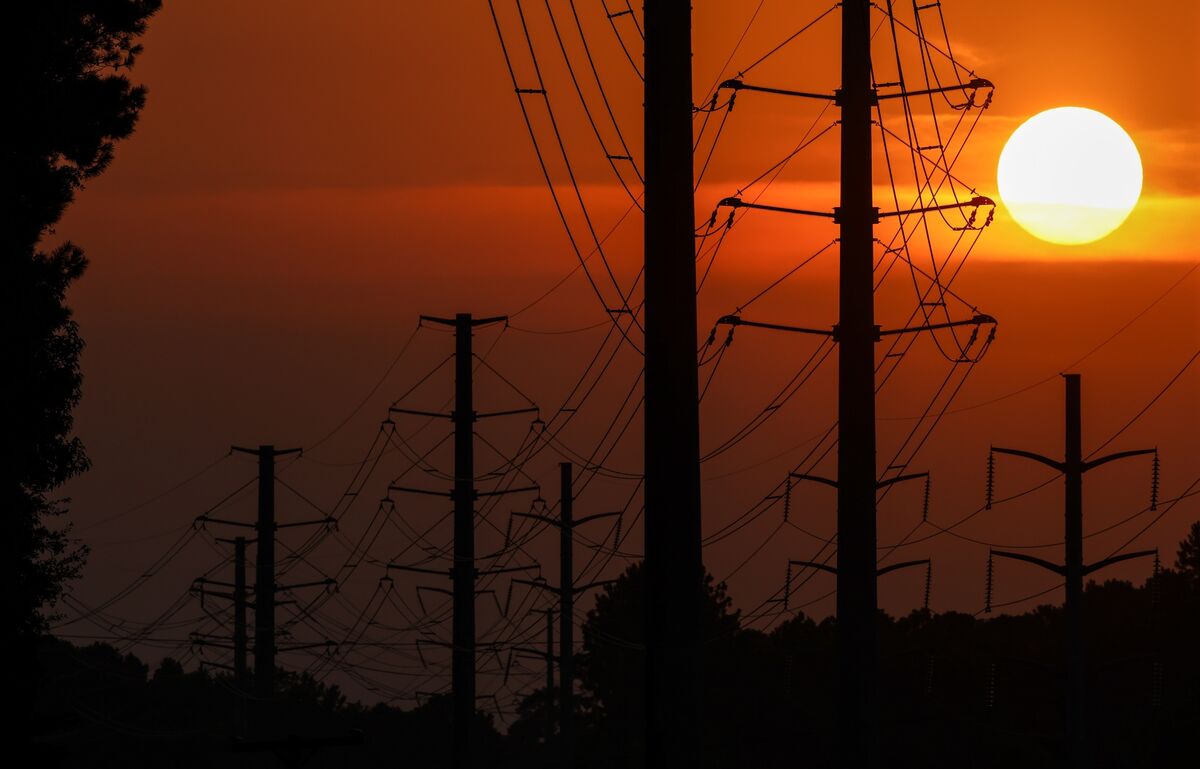
The US and Europe are experiencing one of the hottest summers on record, characterized by scorching daytime and nighttime temperatures compounded by high humidity. This extreme weather is significantly straining cooling systems across both continents, indicating increased energy demand and potential infrastructure stress. Furthermore, the elevated humidity contributes to severe weather events, such as the July floods in New York City, underscoring the broader economic implications of evolving global weather patterns.
The US and Europe are experiencing one of the hottest summers on record, a phenomenon characterized not only by high daytime temperatures but also by high humidity and warm nights. This is placing significant strain on cooling systems across both continents, directly implying a sustained surge in energy demand and testing the resilience of power grid infrastructure. The elevated humidity is a key compounding factor, amplifying the heat's impact and contributing to severe secondary weather events, such as the massive downpours that caused significant flooding in New York City in July. These events underscore a broader trend of increasingly volatile weather patterns impacting the global economy, creating tangible risks of infrastructure damage and economic disruption, consistent with the cautious tone and moderately negative sentiment signal.
AI-powered research, real-time alerts, and portfolio analytics for institutional investors.
Request DemoOverall Sentiment
moderately negative
Sentiment Score
-0.45
