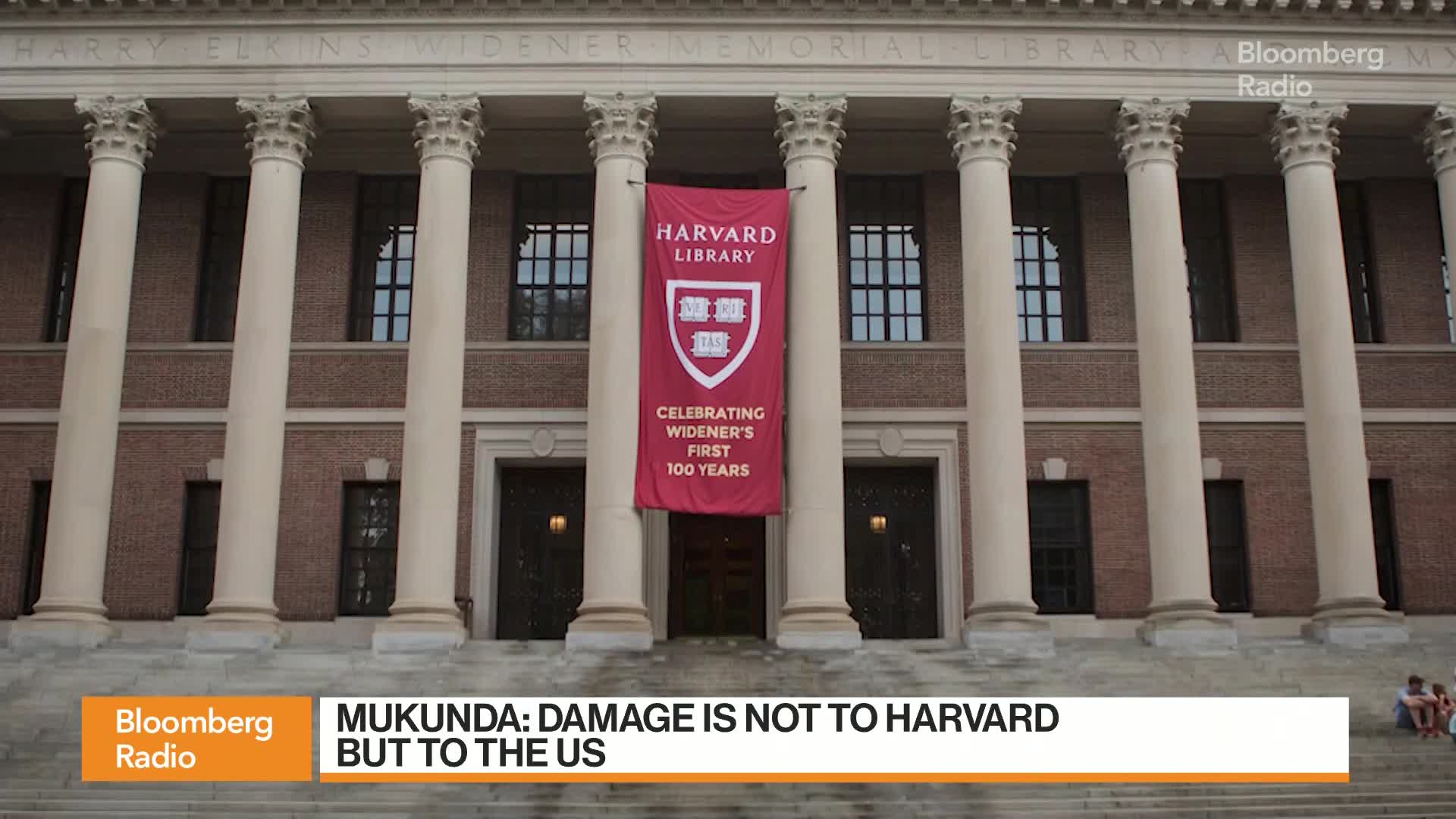
The Trump administration's policy barring foreign students is expected to negatively impact U.S. competitiveness and its standing in global business and academia, potentially benefiting rival institutions in the UK, Canada, and Asia. Experts warn the decision will deter international students from studying in the U.S., creating a "devastating, self-inflicted wound" that undermines the country's influence and advantages other university systems.
The Trump administration's policy to bar foreign students at institutions such as Harvard University is characterized as a significant impediment to the United States' global business reputation and academic leadership, with Gautam Mukunda, Executive Fellow at Yale School of Management, terming it a "devastating, self-inflicted wound." This directive is projected to have a pronounced chilling effect on prospective international students, many of whom are reportedly reconsidering the US as a study destination in favor of alternatives in the UK, Canada, and English-language programs across Asia. Consequently, the policy is anticipated to diminish US competitiveness and global influence by redirecting highly skilled individuals to other nations, thereby benefiting their university systems and potentially their economies. The associated strongly negative sentiment (-0.6) and pessimistic tone reflect deep concerns regarding the long-term repercussions for American innovation and its standing in the global knowledge economy, while the moderate market impact score (0.5) suggests a notable but not immediately disruptive market concern.
AI-powered research, real-time alerts, and portfolio analytics for institutional investors.
Request DemoOverall Sentiment
strongly negative
Sentiment Score
-0.60
