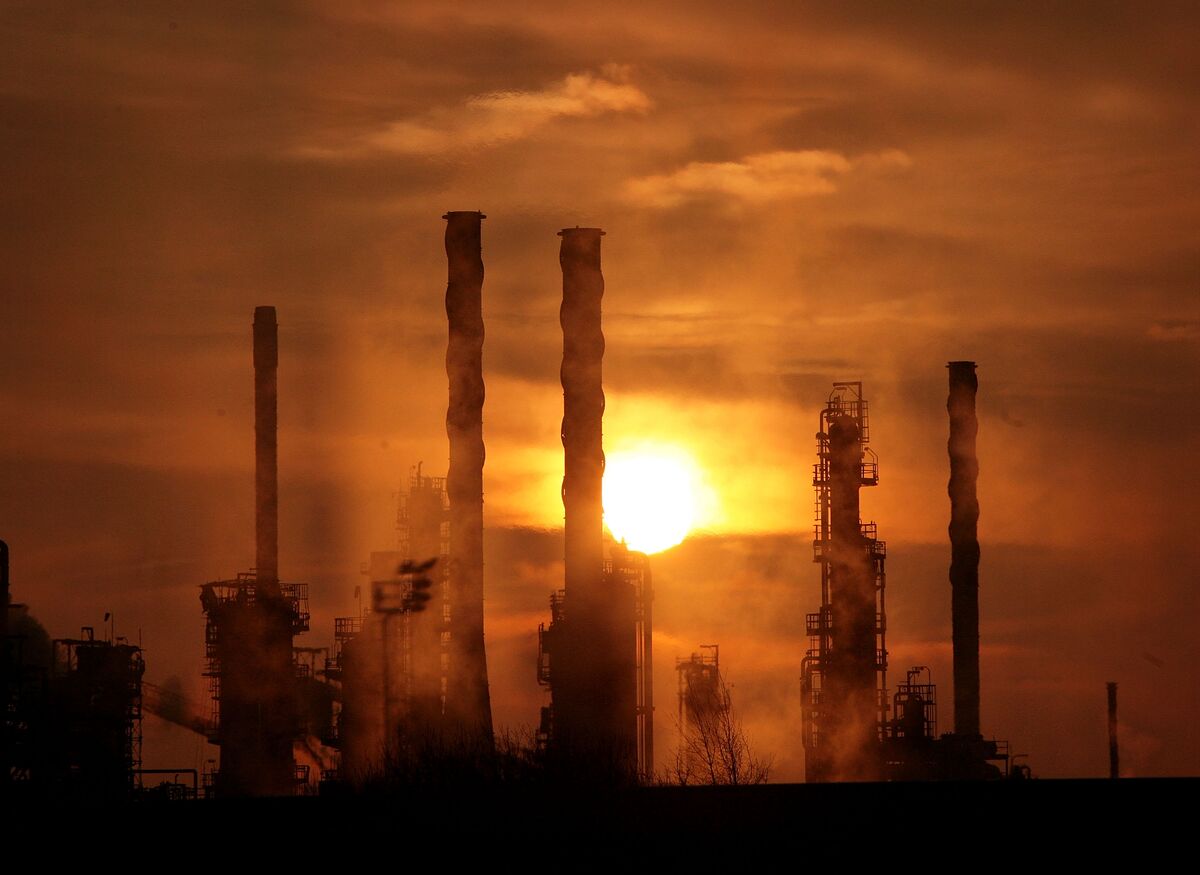
The distressed UK Lindsey oil refinery has not yet restarted fuel deliveries to wholesalers as of Tuesday afternoon, with trucks still unable to access the North England plant for diesel and gasoline. This persistent operational disruption at a key facility underscores ongoing supply chain vulnerabilities and could impact regional fuel availability and pricing.
The Lindsey oil refinery in the UK remains in a state of operational disruption, with fuel deliveries of diesel and gasoline yet to resume as of Tuesday afternoon. This ongoing outage at a key North England facility, described as "beleaguered," points to significant stress on regional energy logistics and underscores the fragility of the UK's physical fuel supply chain. The inability of trucks to access the plant directly impacts wholesalers and suggests a tightening of refined product availability in the short term. The strongly negative sentiment signal (-0.65) reflects the market's concern over this supply interruption, which could exert upward pressure on regional wholesale fuel prices if the shutdown is prolonged.
AI-powered research, real-time alerts, and portfolio analytics for institutional investors.
Request DemoOverall Sentiment
strongly negative
Sentiment Score
-0.65
