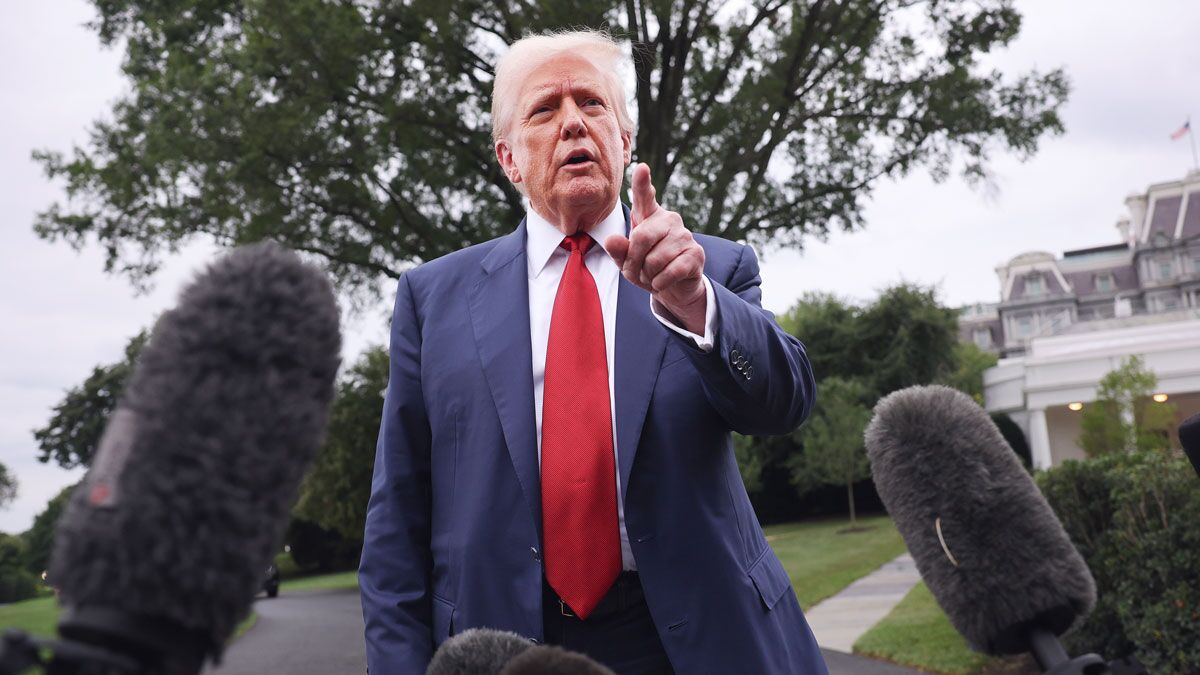
Donald Trump has imposed an additional 25% tariff on Indian goods, citing the country's continued purchases of Russian energy, escalating trade tensions. Concurrently, he announced a 100% tariff on semiconductor imports, though this levy would exempt companies that relocate production back to the U.S. These actions signal a significant shift in U.S. trade policy, aiming to penalize specific foreign trade practices while incentivizing domestic manufacturing.
The U.S. administration's latest trade actions introduce significant volatility and a strategic shift in policy, directly impacting global supply chains. The imposition of an additional 25% tariff on Indian goods, explicitly linked to the country's purchases of Russian energy, merges geopolitical considerations with trade enforcement, escalating tensions with a key Asian partner. Concurrently, a proposed 100% tariff on semiconductor imports represents a major protectionist move aimed at crippling foreign chip reliance. However, a critical exemption is provided for companies that relocate production to the U.S., creating a powerful incentive for onshoring. This dynamic is underscored by Apple's (AAPL) concurrent $100 billion pledge for U.S. production, which explains its positive sentiment score (0.7) amidst a broadly negative market reaction (-0.75). The policy creates a bifurcated outlook: highly punitive for firms with offshore supply chains, particularly in semiconductors and India, while potentially beneficial for companies aligning with the U.S. domestic manufacturing push.
AI-powered research, real-time alerts, and portfolio analytics for institutional investors.
Request DemoOverall Sentiment
strongly negative
Sentiment Score
-0.75
Ticker Sentiment
