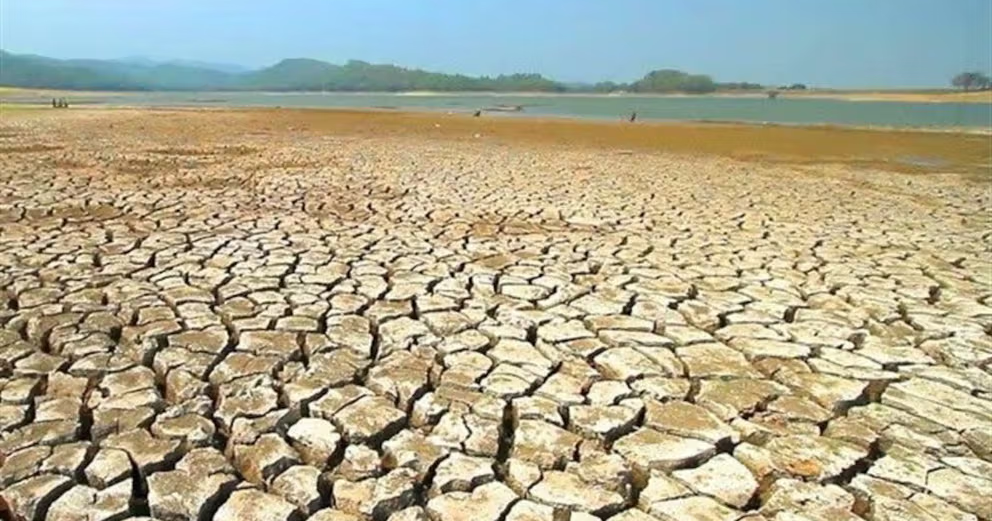
Iranian officials warn of imminent ‘soil bankruptcy’ that could sharply damage food production: the country has 165 million hectares of land but only 24 million hectares arable, with half of crop output now from low-quality class‑3 and class‑4 soils. Authorities report 75% of soils contain under 1% organic carbon, roughly 30,000 hectares degrade annually, nationwide rainfall has fallen to about 18% of typical levels amid a sixth consecutive drought, and water shortages have led to reservoir lows, rationing in Mashhad and farmland abandonment — trends that threaten domestic agricultural output and could pressure regional commodity supplies and related investment risk.
Market structure: Iran’s soil/water collapse removes domestic supply resilience and will increase regional demand for food, fertilizers and water-capex. Expect upward pressure on wheat and barley markets and on fertilizer pricing; beneficiaries are global fertilizer majors (NTR, MOS, CF) and water-infrastructure vendors (XYL, PNR) while Iranian farmers, local ag-equipment sellers and commodity-import-dependent EM retailers are immediate losers. Pricing power will shift toward exporters and large integrated suppliers able to fill Iran’s shortfall over 6–24 months.
Risk assessment: Tail risks include rapid social instability or sanctions-triggered trade blockades that spike regional energy/oil volatility and disrupt shipping lanes (weeks–months), and a policy-led domestic land-use reform that could temporarily flood markets with cheap imports (quarters). Hidden dependencies: groundwater pumping is energy-intensive so oil/gas prices and electricity subsidies materially amplify operating costs; a 20% rise in fuel costs could double irrigation costs for marginal farms. Key catalysts are rainfall anomalies (El Niño/La Niña within 3–9 months), a major government capex water program announcement (30–90 days), or export policy changes.
Trade implications: Tactical plays: long 3–12 month wheat exposure (ZW/WEAT) and 6–18 month fertilizer equities (MOS, NTR) sized 1–3% AUM; add 1–2% exposure to water-tech (XYL) for multi-year capex. Use options to express conviction: buy 3–6 month call spreads on ZW/WEAT and 6–12 month call options on MOS to limit downside while capturing upside from supply shocks. Rotate out of EM consumer staples/food retailers with >10% Iran revenue exposure and reduce EM sovereign bond exposure to Iran-neighbor states by 1–3% until hydrological data improves.
Contrarian angles: Consensus may overstate irreversibility; aggressive policy intervention (large desalination + import program) could moderate commodity price moves within 12 months, creating short-term overshoots. Markets may underprice secular demand for water infrastructure and efficient fertilizers — a multi-year structural re-rating of water-tech and specialty ag-chem makers is plausible if governments commit >$1B CAPEX. Look for mispricings where short-term fear has depressed durable-capex names by >20% versus peers.
AI-powered research, real-time alerts, and portfolio analytics for institutional investors.
Request DemoOverall Sentiment
strongly negative
Sentiment Score
-0.70
