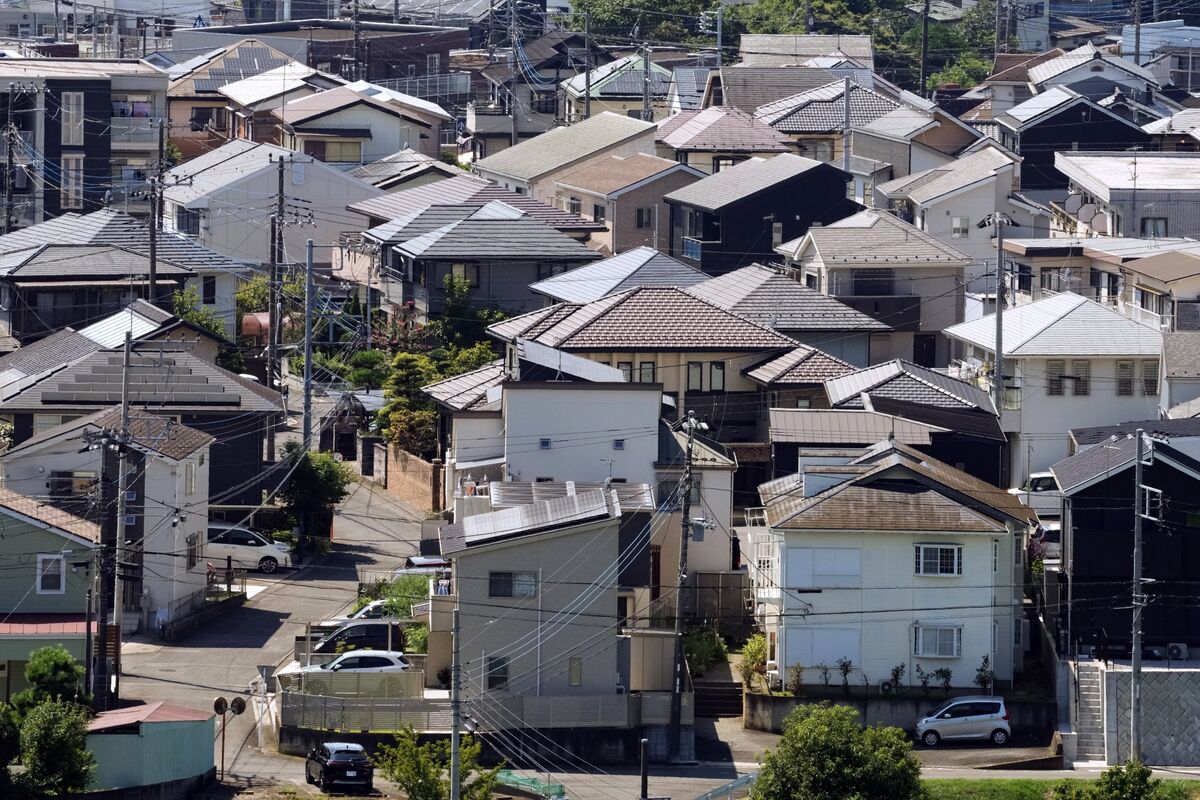
Japan Housing Finance Agency sold ¥50.2 billion ($340 million) of residential mortgage-backed securities (RMBS) at a spread of 51 basis points, marking the widest spread in over two years and the first return to the 50 bps range since June 2023. This 4 basis point increase from August suggests a higher cost of funding for long-term fixed-rate housing loans, potentially reflecting evolving market conditions or investor demand for greater yield.
Japan's credit market is exhibiting signs of tightening, as evidenced by the Japan Housing Finance Agency's recent ¥50.2 billion ($340 million) residential mortgage-backed securities (RMBS) issuance. The sale, lead-managed by Goldman Sachs, priced at a spread of 51 basis points, which is the widest level in over two years. This marks a 4 basis point increase from the prior sale in August and is the first time the spread has entered the 50-basis-point range since June 2023. The wider spread signifies an increased cost of funding for the agency's long-term fixed-rate housing loans, suggesting that investors are demanding a higher premium for this credit risk. This development points to a potential shift in risk appetite or evolving expectations for interest rates within the Japanese bond and real estate finance sectors, a sentiment underscored by the moderately negative signal associated with the news.
AI-powered research, real-time alerts, and portfolio analytics for institutional investors.
Request DemoOverall Sentiment
moderately negative
Sentiment Score
-0.50
Ticker Sentiment
