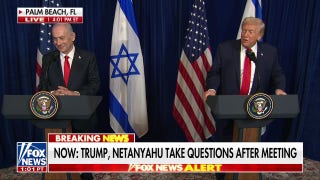
President Trump disclosed U.S. forces struck a “big facility” along the shore — potentially on Venezuelan soil — as part of an expanded counter-drug campaign that has already included more than two dozen strikes killing 105 people. The remarks follow earlier authorization for CIA covert action in Venezuela, a U.S. blockade that has seized two ships carrying sanctioned oil, and a large Caribbean military buildup (~15,000 troops and the USS Gerald R. Ford), raising the prospect of escalation that could amplify regional geopolitical risk and pressure energy and defense-related exposures. Investors should monitor potential disruptions to Venezuelan oil flows, additional sanctions or covert actions, and any wider escalation that could affect energy prices, emerging-market risk premia and defense-sector equities.
Market structure: Short-term winners are defense primes (RTX, LMT, NOC), war-risk insurers and front-month Brent/WTI contracts owing to a tactical risk premium; losers include oil names with explicit Venezuela ties (CVX) and regional shipping/logistics providers. Pricing power shifts are tactical — expect a $2–$6/bbl risk premium in Brent for 0–90 days if strikes or seizures continue, raising tanker/insurance costs 10–30% and compressing refining margins regionally.
Risk assessment: Tail risks include escalation to a sustained blockade or retaliation that removes 200–1,000 kb/d of seaborne crude (high-impact, low-probability) and legal exposures for US majors operating under sanctions (multi-quarter litigation/asset-freeze risk). Immediate window (days) is headline-driven; 0–3 months sees volatility and insurance repricing; 3–12 months depends on sanctions, negotiation outcomes and energy storage flows. Hidden dependencies: maritime insurance, correspondent banking for PDVSA receipts, and ship-owners’ willingness to carry sanctioned cargoes.
Trade implications: Use capital-efficient, short-dated option structures to capture a crude risk premium while limiting equity exposure: consider 1–3% notional call spreads on Brent for 30–90 days; reduce CVX directional exposure by 20–30% and hedge with 3-month puts 10% OTM. Rotate 1–3% into defense primes (LMT/RTX) for 3–12 months; overweight USD vs BRL/COP for 0–3 months to capture risk-off flows; buy short-to-intermediate Treasuries (IEF/TLT) as a tactical hedge if geopolitical headlines intensify.
Contrarian angles: Consensus overstates structural oil supply loss — Venezuela is not a large incremental producer today, so sustained price shocks are unlikely unless sanctions/seizures spread to larger exporters. Historical parallels (limited regional strikes) show transient price spikes that revert within 60–120 days; therefore prefer option-based, time-limited exposure over large equity allocations to energy names. Unintended consequence: heavy public US action raises legal/regulatory complexity for US corporates (CVX) — downside skew is asymmetric and should be hedged, not outright sold and forgotten.
AI-powered research, real-time alerts, and portfolio analytics for institutional investors.
Request DemoOverall Sentiment
moderately negative
Sentiment Score
-0.45
Ticker Sentiment
