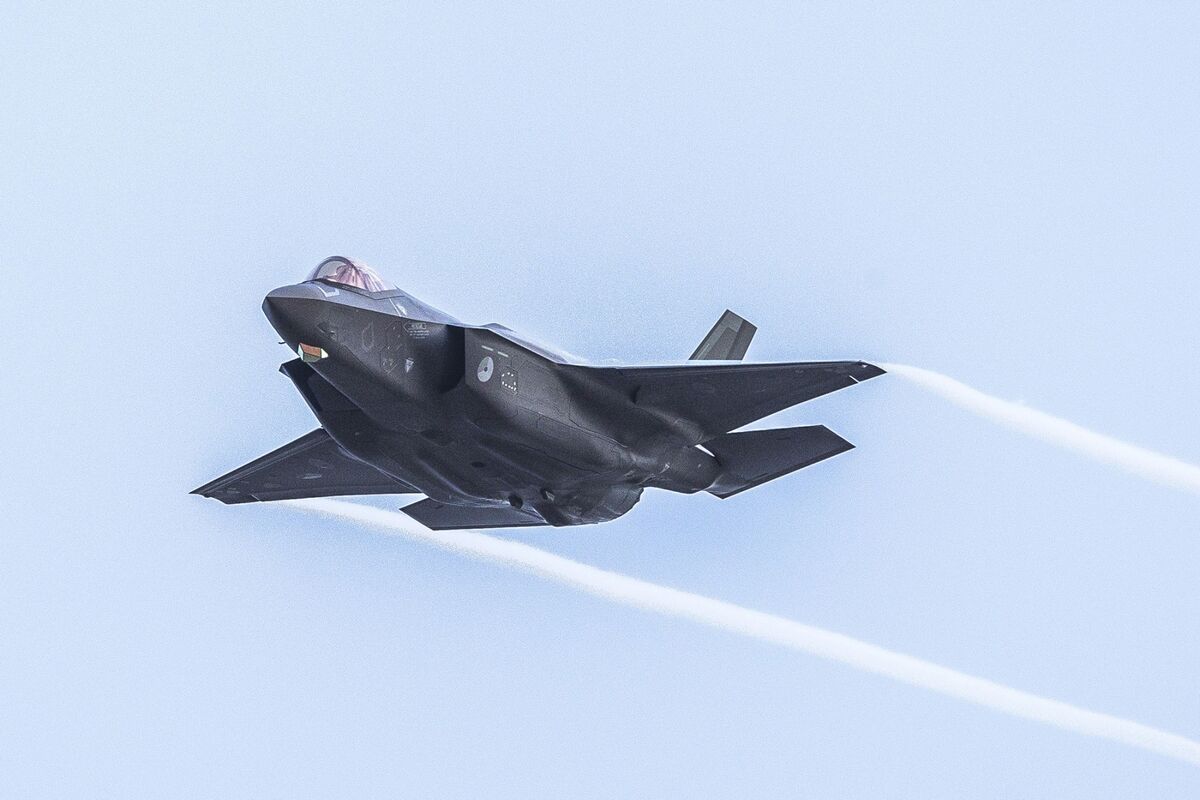
The Netherlands plans to increase its defense budget to €27 billion ($32 billion) next year, aiming to meet NATO's new goal of allocating 5% of gross domestic product to security by 2035. This significant spending hike, announced by caretaker Finance Minister Eelco Heinen, underscores a broader European commitment to enhanced defense capabilities and financial contributions following NATO agreements.
The Netherlands is set to significantly increase its defense budget to €27 billion ($32 billion) in the upcoming year, a move that signals a substantial and long-term shift in the country's fiscal priorities. This spending hike is a direct response to a new NATO commitment, which aims for member states to allocate 5% of their gross domestic product to security by 2035. The statement by caretaker Finance Minister Eelco Heinen, highlighting that "more will be needed to keep Europe safe," frames this not as a one-off increase but as part of a broader, sustained European rearmament trend. While the announcement provides a clear, long-term demand signal for the defense industry, the minister's explicit mention of the challenge in financing this expenditure introduces a degree of fiscal uncertainty, potentially impacting other areas of the national budget or requiring new revenue streams.
AI-powered research, real-time alerts, and portfolio analytics for institutional investors.
Request DemoOverall Sentiment
neutral
Sentiment Score
0.00
