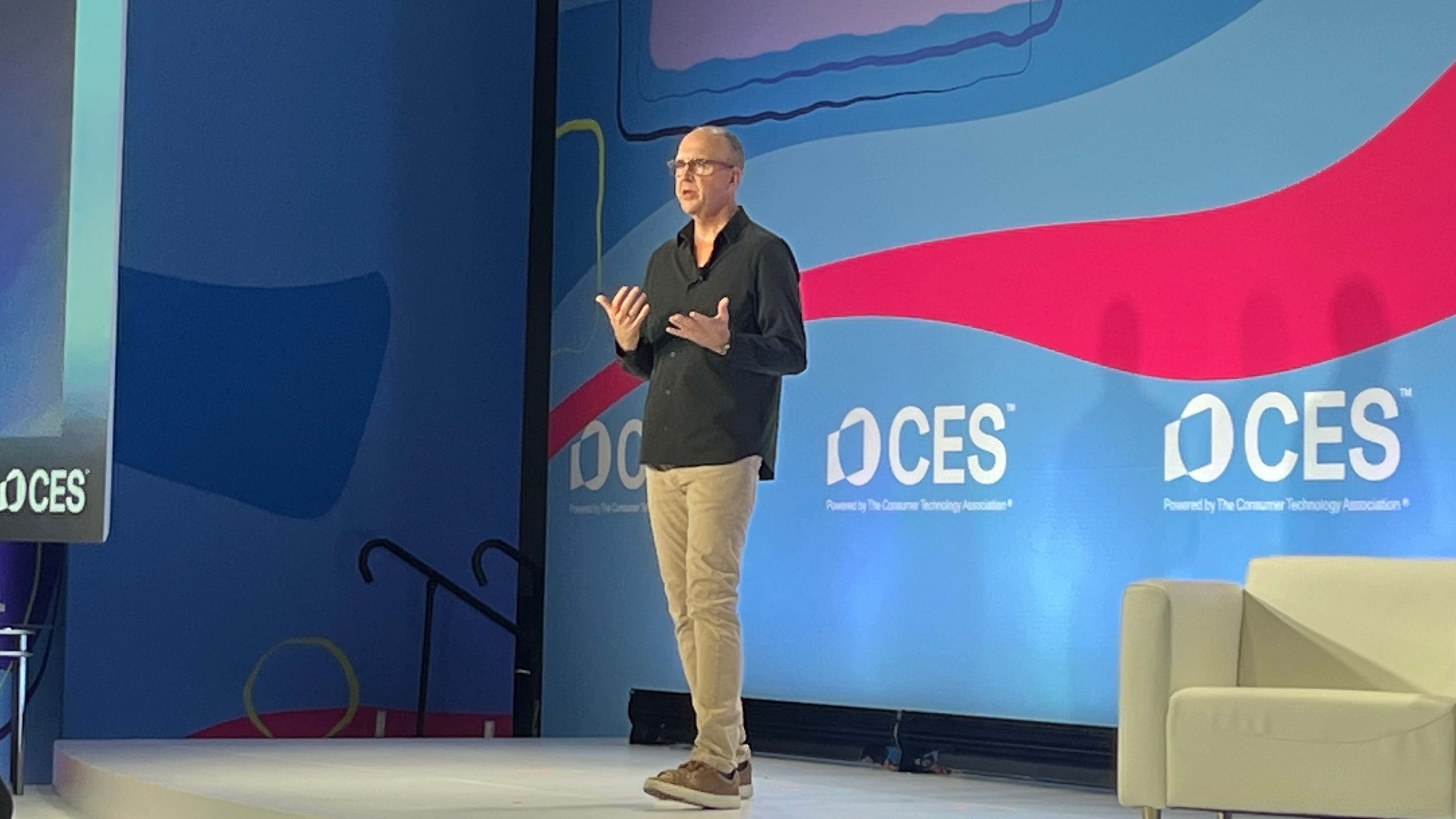
Ford developed a hands-off, eyes-off driver assistance system in-house to keep costs down and enable its rollout on lower-priced models. Building the system internally could accelerate ADAS adoption across higher-volume segments, preserve margin compared with outsourcing, and strengthen Ford's competitive positioning in mass-market vehicles.
Market structure: Ford’s move to an in-house hands‑off, eyes‑off ADAS pushes commoditization of Level‑2+ capabilities, benefiting OEMs with scale and software teams (F, TM) and pressuring specialist suppliers of premium stacks and lidar (e.g., LAZR). Expect modest margin expansion for Ford if per‑vehicle ADAS cost falls by a few hundred dollars and broader pricing pressure on third‑party ADAS licenses; equity impact is asymmetric—OEMs win at the expense of high‑multiple, single‑product suppliers. Cross‑asset: modestly positive for F equity and IG industrial credit spreads; negative for equity volatility in ADAS suppliers and selective downward pressure on semiconductor/optics names tied to premium hardware, limited FX or commodity moves absent large volume changes.
Risk assessment: Tail risks are regulatory probes/liability (NHTSA investigations, class actions) that could trigger recalls and >$500m charges within 6–18 months and reputational damage. Short term (days–weeks) expect muted market reaction; short‑to‑medium (3–12 months) hinge on rollout quality and initial safety data; long term (1–3 years) outcome depends on software OTA capability and data pipeline scale. Hidden dependencies include sensor supply contracts, data labeling/validation costs, and dealer/service support; catalysts are NHTSA safety reports, first‑fleet telematics data releases, and competitor feature pricing moves.
Trade implications: Favor concentrated, time‑boxed exposure to Ford (F) to capture margin tailwinds while hedging regulatory risk via puts; short selective premium ADAS/hardware plays (e.g., LAZR) that lack OEM integration. Options: use 3–6 month call spreads on F to limit capital and buy 3‑6 month puts on LAZR or similar to express downside if adoption stalls. Rotate away from pure‑play ADAS hardware into integrated OEMs and software‑heavy suppliers with recurring revenue.
Contrarian angles: Consensus assumes Ford wins cleanly; underappreciated is that in‑house stacks often underperform initially, raising warranty/recall costs and slowing adoption—historical parallel: early GM Super Cruise and Tesla Autopilot legal/regulatory setbacks. The market may underprice the risk of regulatory backlash in first 12 months, creating a trade where modest long F exposure hedged by puts on ADAS specialists could capture asymmetric payoff. Unintended consequence: downward pressure on lidar/compute valuations could force consolidation, presenting later-stage M&A opportunities in 12–36 months.
AI-powered research, real-time alerts, and portfolio analytics for institutional investors.
Request DemoOverall Sentiment
mildly positive
Sentiment Score
0.25
Ticker Sentiment
