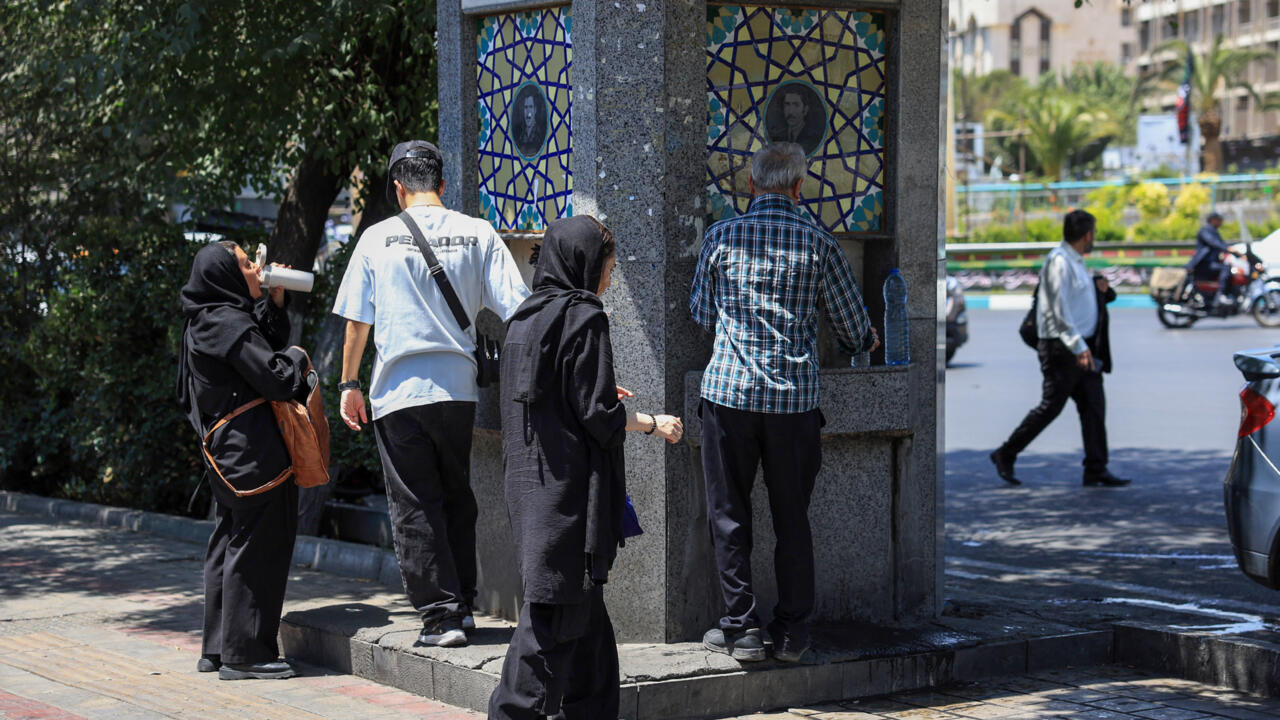
Iran is initiating periodic water supply cuts for Tehran's 10 million residents amid its worst drought in decades, with President Pezeshkian warning of potential evacuation if conditions do not improve. Critical reservoirs, like the Amir Kabir dam, are at historic lows, holding less than two weeks' supply, underscoring a severe national water crisis that poses significant risks to the country's economic stability, infrastructure, and social order.
Iranian officials are implementing periodic water supply cuts for Tehran's 10 million residents, a direct consequence of the nation's worst drought in decades. President Masoud Pezeshkian warned of potential capital evacuation if rainfall does not materialize by year-end, highlighting the extreme severity of the crisis. Rainfall in Tehran is at its lowest in a century, with half of Iran's provinces experiencing prolonged dry spells.
Critical water infrastructure is severely strained; the Amir Kabir dam, a a primary reservoir for Tehran, currently holds only 14 million cubic litres, a drastic reduction from 86 million cubic metres last year. This capacity is sufficient for less than two weeks of supply for the Tehran region. Other major cities like Isfahan and Tabriz also report significantly lower dam levels.
The crisis extends nationally, with Mashhad considering night-time water cuts and previous public holidays declared in Tehran to conserve water and energy amidst intense heatwaves and daily power outages. This environmental and infrastructural failure poses substantial risks to social stability, public health, and economic activity across Iran. The "extremely negative" sentiment and high market impact score underscore the profound implications.
AI-powered research, real-time alerts, and portfolio analytics for institutional investors.
Overall Sentiment
extremely negative
Sentiment Score
-0.90
