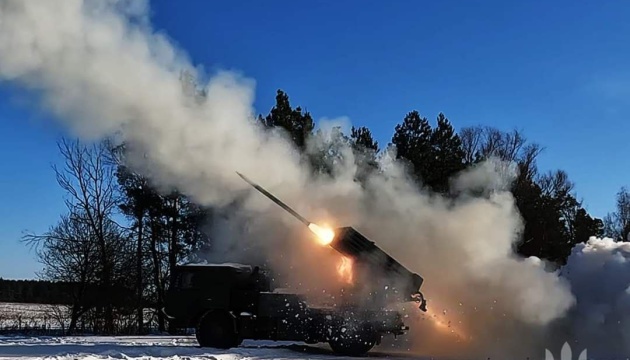
The Ukrainian General Staff reported 180 combat engagements along the frontline as of 08:00 on Jan. 16, with the fiercest fighting in the Pokrovsk and Huliaipole sectors. Russian forces conducted two missile strikes and 97 air strikes (using 3 missiles and dropping 234 guided aerial bombs), deployed 6,968 kamikaze drones and carried out 3,338 artillery and mortar attacks including 57 MLRS strikes; Ukrainian forces struck seven enemy personnel clusters and two UAV command points. Ukrainian troops repelled multiple assaults across numerous sectors, and reported Russian combat losses since Feb. 24, 2022 are ~1,224,460 personnel, including 1,370 in the past day. The persistent high operational tempo, heavy drone use and concentrated assaults heighten escalation risk and are likely to sustain risk-off sentiment for regional markets and defense-exposed sectors.
Market structure: The intense daily fighting (180 engagements; 6,968 kamikaze drones reported) structurally favors defense prime contractors (air defense, munitions, ISR) and energy/commodity exporters while hurting travel, regional EM assets, and any firms with Ukraine exposure. Expect NATO/EU procurement momentum to lift backlog visibility; conservatively model low-double-digit % incremental defense capex growth across 12–24 months and 6–12 month revenue tailwinds for majors (LMT, RTX, NOC, GD).
Risk assessment: Tail risks include rapid escalation (NATO kinetic involvement or Black Sea interdiction) or large cyberattacks that would spike risk premia, commodity prices, and safe-haven flows within days; political shocks (aid package votes) are 0–60 day catalysts that can reverse sentiment. Hidden dependencies: supply-chain constraints for precision munitions and semiconductors could cap margin realization over 6–18 months even as orders increase. Monitor NATO procurement announcements and US congressional aid votes within 30–90 days as key triggers.
Trade implications: Implement concentrated, time-limited plays: favor large-cap defense equities and ETFs (ITA/XAR) for 3–12 month appreciation, tactical long Brent/crude exposure for 1–3 months, and gold/short-duration Treasuries as hedges against escalation and rate volatility. Use defined-cost options (call spreads) to express upside while limiting P&L tail risk; volatility in equities and energy is likely to rise 20–50% on headline shocks.
AI-powered research, real-time alerts, and portfolio analytics for institutional investors.
Request DemoOverall Sentiment
strongly negative
Sentiment Score
-0.70
Contrarian angles: Consensus may overpay for primes now; midsize sensor and counter-UAS specialists are under-owned and could rerate if niche contracts surface—seek small-cap M&A candidates. Conversely, an extended period of higher defense spend will raise inflation and yields, pressuring growth equities; trim duration-sensitive positions if defense/offensive momentum persists beyond 6 months.
