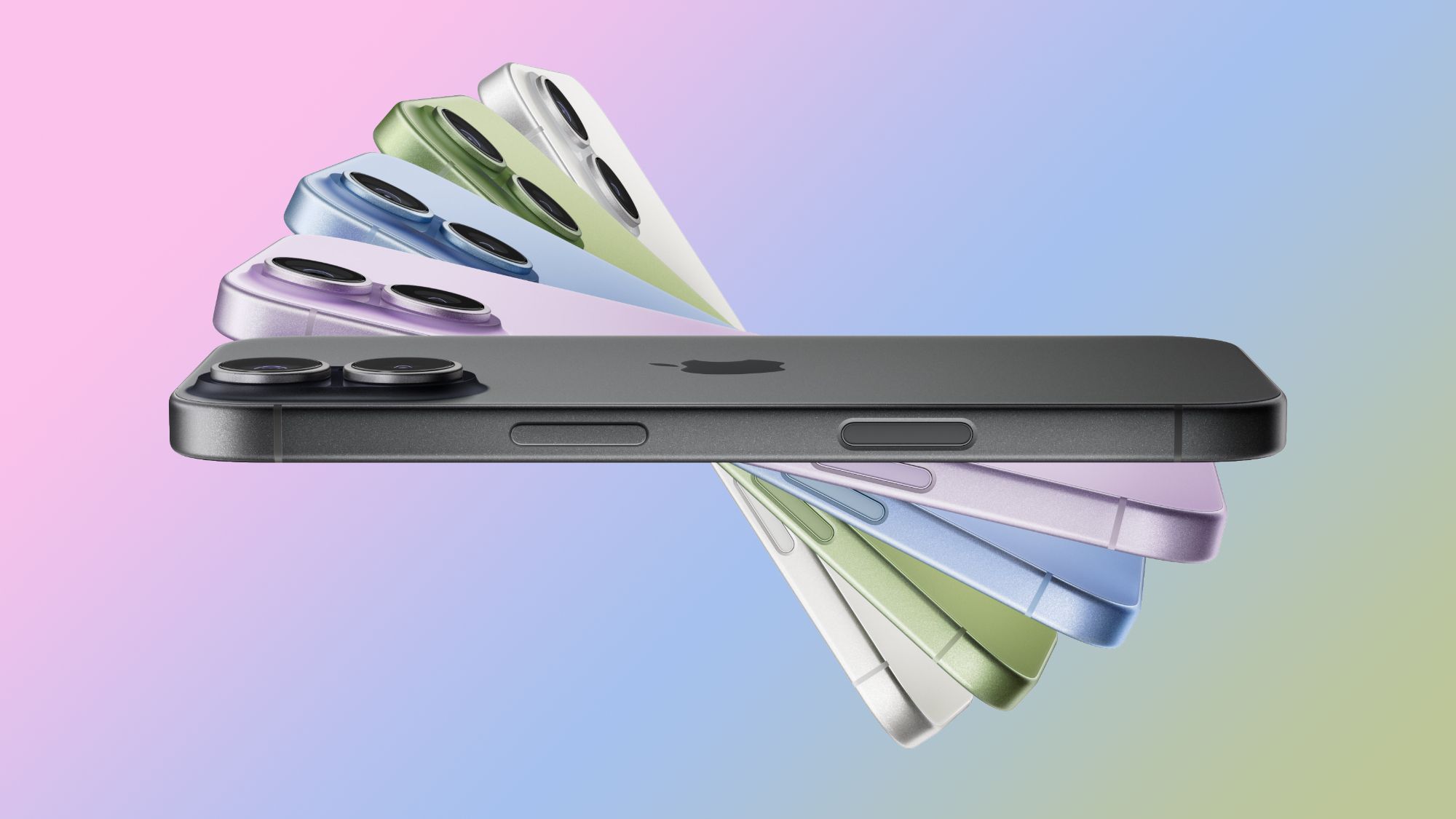
Apple is reportedly restructuring its iPhone launch cadence by prioritizing higher-end models in fall 2026 (iPhone 18 Pro, 18 Pro Max and a foldable iPhone) while delaying the standard iPhone 18 until spring 2027, when it would debut alongside an iPhone 18e and iPhone Air 2. The shift, driven by an expanding product lineup (potentially eight distinct models by end-2026) and supply-chain considerations, is intended to reduce production bottlenecks, better allocate advanced components and smooth revenue recognition across fiscal quarters, with potential implications for sales pacing and quarterly guidance.
Market structure: A split launch concentrates high-content, high-ASP SKUs (Pro/foldable) into a fall window, favoring suppliers of advanced chips/displays (TSM, SONY, SSNLF) and contract assemblers (Hon Hai) while softening demand for low-cost component vendors and mid-tier Android OEMs that compete on price. Expect ASP uplift of ~5–8% for iPhone cohort in the 2–3 quarters after a Pro-focused release and gross-margin tailwinds of ~100–300bps if Pro mix holds; revenue seasonality should smooth across fiscal quarters, lowering Q4 concentration risk. Cross-asset: AAPL option IV should compress around August/September if guidance reduces surprise risk; modest downward pressure on USD if Apple revenue smoothing reduces seasonal repatriation; copper/rare-earth flows flatten, lowering short-term commodity spikes.
Risk assessment: Tail risks include a foldable product failure (sales <50% of internal forecasts), new US/China tariffs on iPhone components, or a major supplier capacity shock—any could swing FY27 unit volumes ±5–10%. Immediate (days) risks center on leak-driven volatility and option skews into fall; short-term (3–6 months) on supplier guide revisions; long-term (12–24 months) on cannibalization between Air/standard models and services attach rates. Hidden dependencies: channel inventory timing, trade-in economics, and Apple’s ability to maintain upgrade cadence; catalysts are supplier earnings, WWDC/fall keynote cadence, and supply-chain checks (Foxconn/TSM guidance).
Trade implications: Tactical long AAPL exposure into fall captures potential ASP/margin upside; complement with long foundry/display suppliers (TSM, SONY, SSNLF) for 6–12 months to ride higher content per device. Implement options to express timing: buy call spreads into Sep–Nov 2026 for Pro demand and sell Jan–Mar 2027 calls to finance exposure to spring-standard uncertainty. Rotate out of consumer retail discretionary exposure that benefits from a single-season launch (e.g., trim BBY by 2–3%) and overweight semis/displays by 2–4%.
Contrarian angles: Consensus focuses on a “miss” from skipping a calendar year for standard iPhone; market may be underpricing sustainable ASP/margin gains and services retention from a Pro-first strategy—this implies AAPL downside is limited unless unit erosion >5%. Historical parallels: Apple’s staggered product expansions (iPad, AirPods) initially triggered skepticism but delivered multi-year ecosystem gains; unintended consequence is retailer destocking in early 2027 that could create a transitory revenue miss—an event to trade around, not a permanent thesis breaker.
AI-powered research, real-time alerts, and portfolio analytics for institutional investors.
Request DemoOverall Sentiment
neutral
Sentiment Score
0.15
Ticker Sentiment
