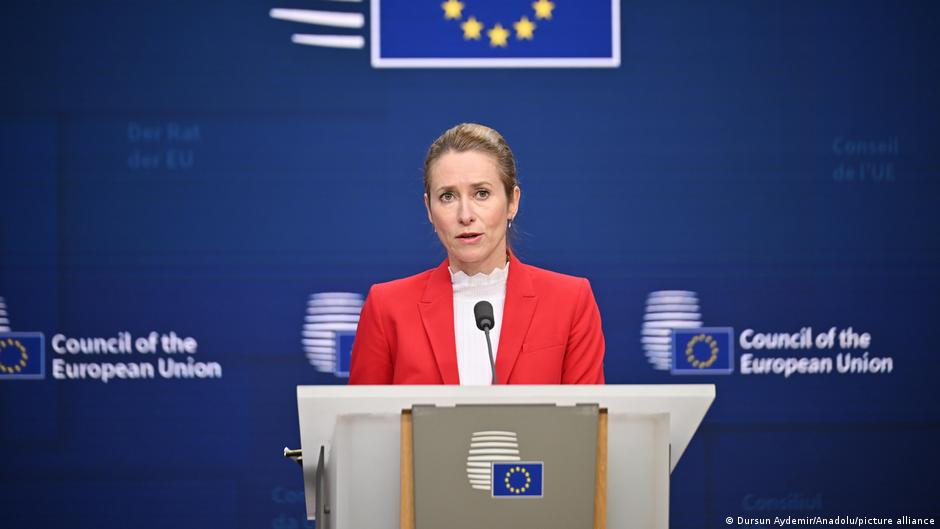
EU foreign policy chief Kaja Kallas urged tougher sanctions on Russia and proposed using frozen Russian assets to finance Ukraine in 2026-27, while Poland secured a €44 billion SAFE loan to boost military capabilities and security-related infrastructure. Diplomatic momentum is mixed: US envoy Steve Witkoff is due in Moscow to discuss a revised Trump-backed peace framework (trimmed from 28 to 22 points), Kyiv expresses deep suspicion of US envoys, and the Kremlin says parts of the plan are "positive," leaving sustained geopolitical risk, sanction dynamics, and defense-sector flows as key market implications.
Market structure: Near-term winners are defense and dual-use tech suppliers (aerospace, drones, defense AI, satellites) due to EU/Poland €44bn SAFE spending and pledges to divert frozen Russian assets to Ukraine — expect 5–15% revenue tailwinds for listed primes over 12–24 months if programs are executed. Losers include European energy-sensitive sectors (airlines, utilities with gas exposure) and Russian commodity exporters if sanctions intensify; energy price shocks would compress margins across travel & manufacturing. Pricing power will shift to defense primes and specialty industrials; procurement cycles (2–5 years) favor firms with backlog visibility and export licenses.
Risk assessment: Tail risks include a rapid Russia–Ukraine settlement favorable to Russia (defense equities down 20–40% in 1–3 months) or conversely broad new sanctions/energy cutoffs that lift EU natural gas by >20% and push EUR/USD volatility higher. Hidden dependencies: Belgium’s legal/political blockage of asset repurposing (likely 30–90 day decision window) and US domestic political shifts (Witkoff/Kushner outreach next 7–14 days) can materially change trajectories. Key catalysts: Witkoff–Putin meeting (next week), EU Council decisions on asset use (30–60 days), Polish SAFE loan tranche approvals (quarterly rollouts).
Trade implications: Tactical longs: allocate 1.5–3% positions in RTX, LMT, NOC and 1–2% in RHM.DE as core defense exposure; buy 3–6 month call spreads if wanting capped risk ahead of diplomatic outcomes. Commodity/FX: take a 1–2% tactical long in UNG or short-dated natural gas calls for winter-upside; add 1% GLD as tail-hedge. Pair trade: long RTX (2%) vs short BA (1%) to capture secular defense vs civil aviation divergence; use 3–6 month put protection on defense holdings sized to limit drawdown to 8–10%.
Contrarian angles: Consensus underestimates multi-year EU fiscalization of defense spending — if frozen assets are liberated, expect a structural re-rating of European defense names (RHM.DE, HO.PA) by 10–25% over 12–24 months. Conversely the market may be underpricing the probability (10–25%) of a negotiated pause that compresses defense EPS; hedge with inexpensive 9–12 month put spreads rather than outright shorts. Historical parallel: post-2014 sanctions drove sustained defense budgets and multi-year outperformance; if that pattern repeats, early European defense exposure will compound returns even after near-term volatility.
AI-powered research, real-time alerts, and portfolio analytics for institutional investors.
Request DemoOverall Sentiment
moderately negative
Sentiment Score
-0.35
