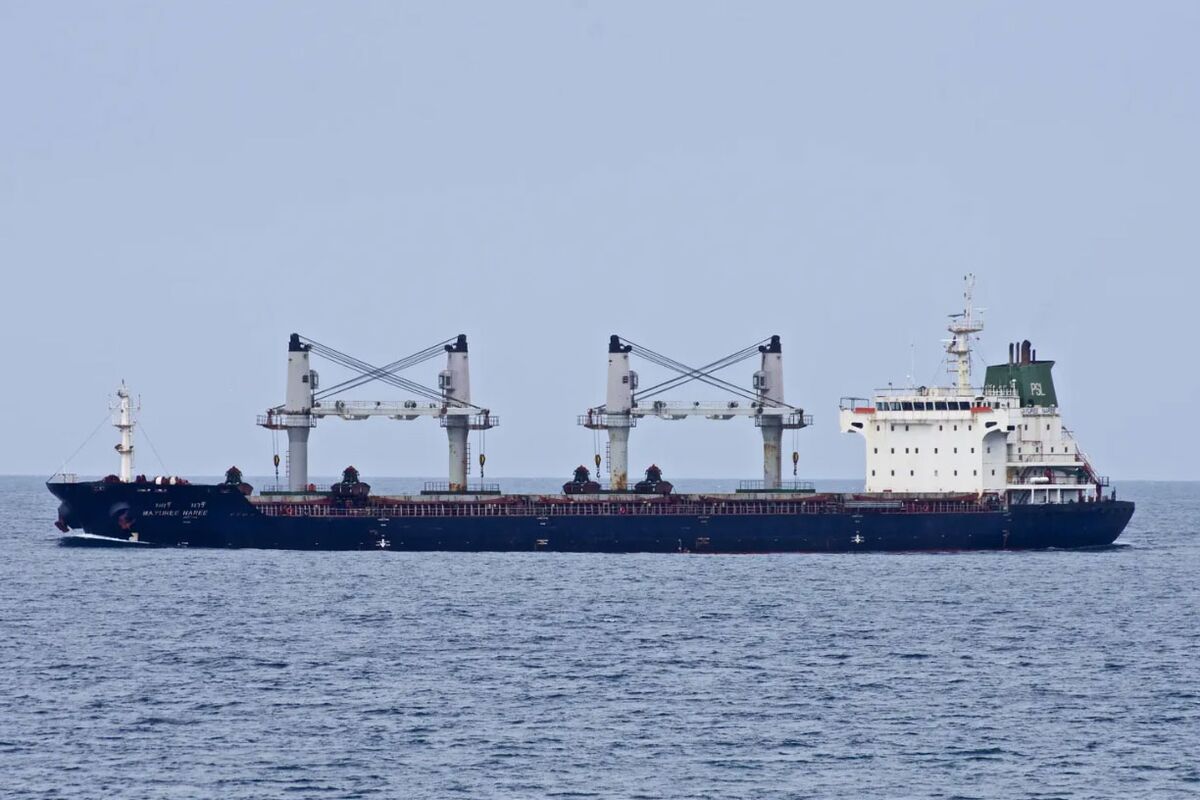
A Thai-flagged bulk carrier, Mayuree Naree (30,000 dwt) owned by Precious Shipping Pcl, was struck near the Strait of Hormuz after departing the UAE; 20 crewmen were rescued. The attack raises risks to a critical oil and goods transit chokepoint, likely increasing shipping insurance costs and regional energy/transport volatility with potential knock-on effects for trade flows.
A localized strike in a chokepoint functionally acts like a temporary capacity shock: expect immediate route dispersion, higher voyage time volatility and a reallocation from sea to air for time-sensitive goods. For bulk and tanker markets, adding 2–7% average transit time (and spot voyages concentrated on fewer safe corridors) typically propagates as a 5–15% short-term freight premium and raises working-capital needs for exporters/importers over the next 2–8 weeks. Insurance and broking margins are the hidden lever — war-risk and hull premiums historically jump 20–50% in the weeks after incidents, translating into elevated revenues for brokers and reinsurers but near-term claims and reserve volatility for carriers.
Tail risk lives in escalation: a sustained interdiction or copycat events that force prolonged rerouting can add $3–10/bbl in risk premia to oil within days and push drybulk/container spot rates materially higher for months. Key catalysts to monitor are (1) visible naval convoying (which dampens premiums within 2–6 weeks), (2) a spike in declared war-risk zones by P&I clubs (which forces charter re-pricing over 1–3 months), and (3) media-driven trade flow disruptions that trigger corporate inventory builds. Reversal scenarios include quick diplomatic de-escalation or tariff/insurance interventions that restore normalcy within 4–8 weeks — those would compress the initial premium rapidly.
Consensus will lean risk-off toward EM shipping and outright crude upside; the misprice is timing and mean reversion. Near-term headline-driven spikes in freight and oil are likely, but history shows much of the premium fades as convoying and short-term insurance repricing restore operational continuity within 4–8 weeks. That creates a window to buy protection (options) or take tactical commodity/insurance exposure rather than long-duration operational bets on permanent supply-chain rerouting.
AI-powered research, real-time alerts, and portfolio analytics for institutional investors.
Request DemoOverall Sentiment
moderately negative
Sentiment Score
-0.55
