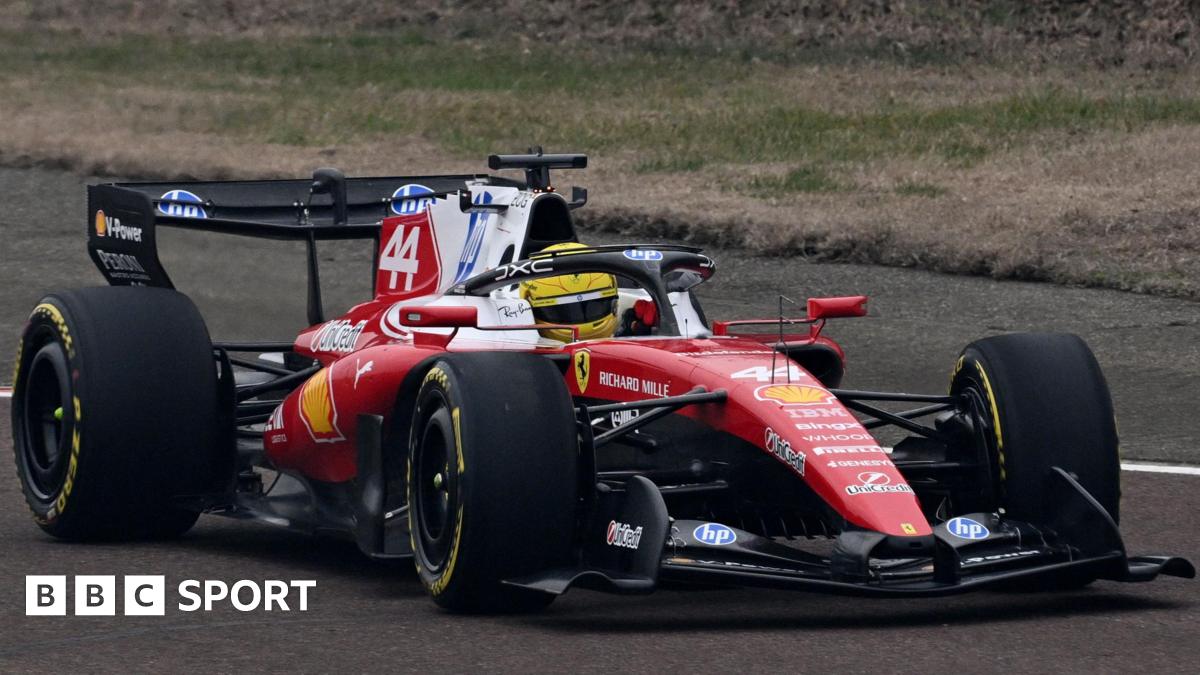
F1 begins a season-defining private test programme — three pre-season tests (Barcelona and two in Bahrain) ahead of the Australian GP on 6-8 March — driven by the sport’s largest regulatory overhaul in decades. Power units now deliver roughly a 50/50 split between electrical and internal-combustion output with the MGU-H removed, moveable aero and an ‘overtake mode’ replacing DRS, and mandatory carbon‑neutral ‘drop-in’ fuels, making energy management and combustion-system tuning central. Teams are keeping testing behind closed doors to manage reliability risk and messaging; some (Mercedes, Ferrari, Haas, Alpine, Audi, Cadillac) have run short shakedowns while McLaren, Red Bull, Aston Martin and Williams (which skipped) have delayed or limited running, creating short-term uncertainty for suppliers and development leaders.
Market structure: The rule reset creates clear winners—high‑power battery power‑electronics suppliers, sustainable/synthetic fuel producers, and teams/OEMs that translate hybrid strategy into race pace—while legacy MGU‑H specialists and teams with late builds (Williams) are immediate losers. OEM entrants (GM/Cadillac, VW/Audi) bring deep pockets and can compress smaller teams' share of podiums over 12–36 months, raising pricing power for specialized suppliers (battery C‑rates, high‑power inverters). Demand will shift to high‑power cell formats (notably higher C‑rate rather than capacity), moveable‑aero actuators, and sustainable fuel feedstocks; expect multi‑quarter supply tightness in power‑electronics and SAF feedstock pricing pressure.
Risk assessment: Tail risks include severe early reliability causing championship reshuffle and sponsor revenue hits (low probability, high impact over H1 2026), or a regulatory tweak on fuel/specs that forces mid‑season reworks. Immediate (days) risks are testing leaks and volatility; short term (weeks–months) is development race and supply bottlenecks; long term (quarters–years) is tech transfer to road cars and materials demand. Hidden dependencies: software/energy‑management algorithms, driver cognitive load and battery thermal limits; catalysts are Bahrain tests (11–20 Feb) and Australia GP (6–8 Mar).
Trade implications: Equity volatility around tests is the primary tradeable signal. Favor selective long exposure to RACE (Ferrari) and listed SAF/biofuel producers (Neste NESTE.HE), and underweight small aero suppliers and teams reporting build delays. Options: buy near‑dated straddles into Australia on teams with high uncertainty if implied vol < market realized vol; cross‑asset: expect modest widening in HY spreads for small suppliers if reliability failures occur.
Contrarian angles: The market underestimates value of software/energy‑management IP—teams that appear quiet (McLaren) may be intentionally withholding advantage; Williams’ skip could be a tactical quality choice, not terminal. 2014 engine change shows initial reliability panic can create discounted entry points; mispricing will show up in single‑digit percentages in equities of smaller suppliers rather than marquee teams. Monitor leak cadence and telemetry revelations as early indicators of durable performance advantages.
AI-powered research, real-time alerts, and portfolio analytics for institutional investors.
Request DemoOverall Sentiment
neutral
Sentiment Score
0.05
Ticker Sentiment
