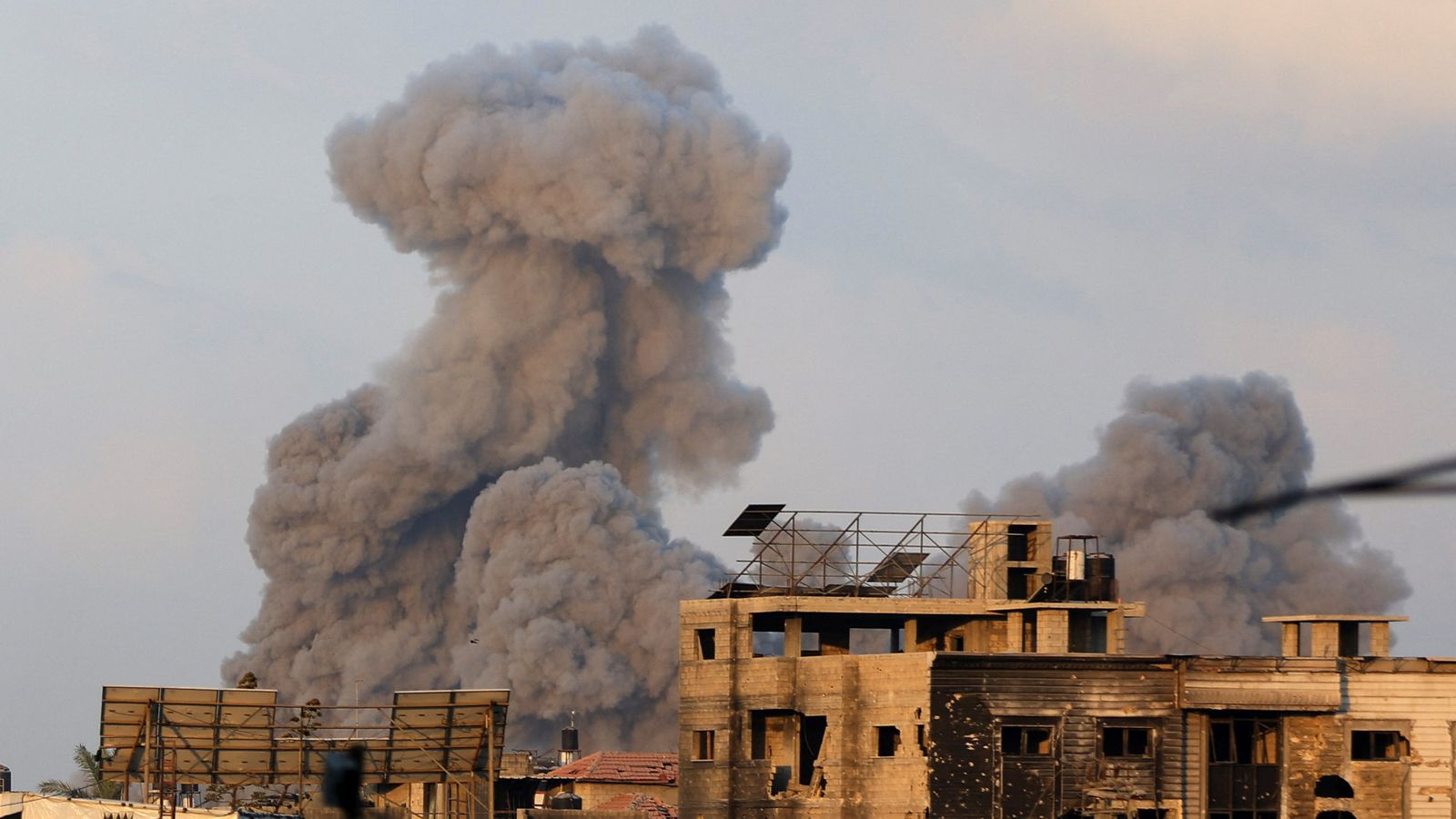
Israel's Prime Minister Netanyahu has confirmed the Gaza City offensive will proceed despite Hamas agreeing to a temporary ceasefire proposal, while concurrently initiating negotiations for hostage release on Israeli terms. This dual strategy, supported by a significant reservist call-up, signals a prolonged conflict and heightened regional geopolitical risk for investors. The decision is intensifying international pressure, particularly from the UK and other allies, over controversial West Bank settlement approvals and the worsening humanitarian crisis in Gaza, potentially straining diplomatic ties and raising concerns about the remaining hostages.
The Israeli government is pursuing a dual-track strategy of continuing its military offensive in Gaza City while simultaneously re-engaging in negotiations for hostage release, signaling a high probability of prolonged regional conflict. Prime Minister Netanyahu's stipulation that any deal must be on "terms acceptable to Israel," coupled with plans to call up 60,000 reservists and extend the service of 20,000 more, underscores a commitment to achieving military objectives irrespective of diplomatic talks. This approach is generating significant international friction, evidenced by the UK summoning Israel's ambassador over the approved E1 West Bank settlement plan, a project 22 nations condemned as a "flagrant breach of international law." The worsening humanitarian crisis, described by a UK minister as "horrifying starvation," and calls from a 51-country coalition for media access to Gaza further isolate Israel and elevate geopolitical risk, suggesting that diplomatic and economic pressure from key allies is likely to intensify.
AI-powered research, real-time alerts, and portfolio analytics for institutional investors.
Overall Sentiment
strongly negative
Sentiment Score
-0.65
