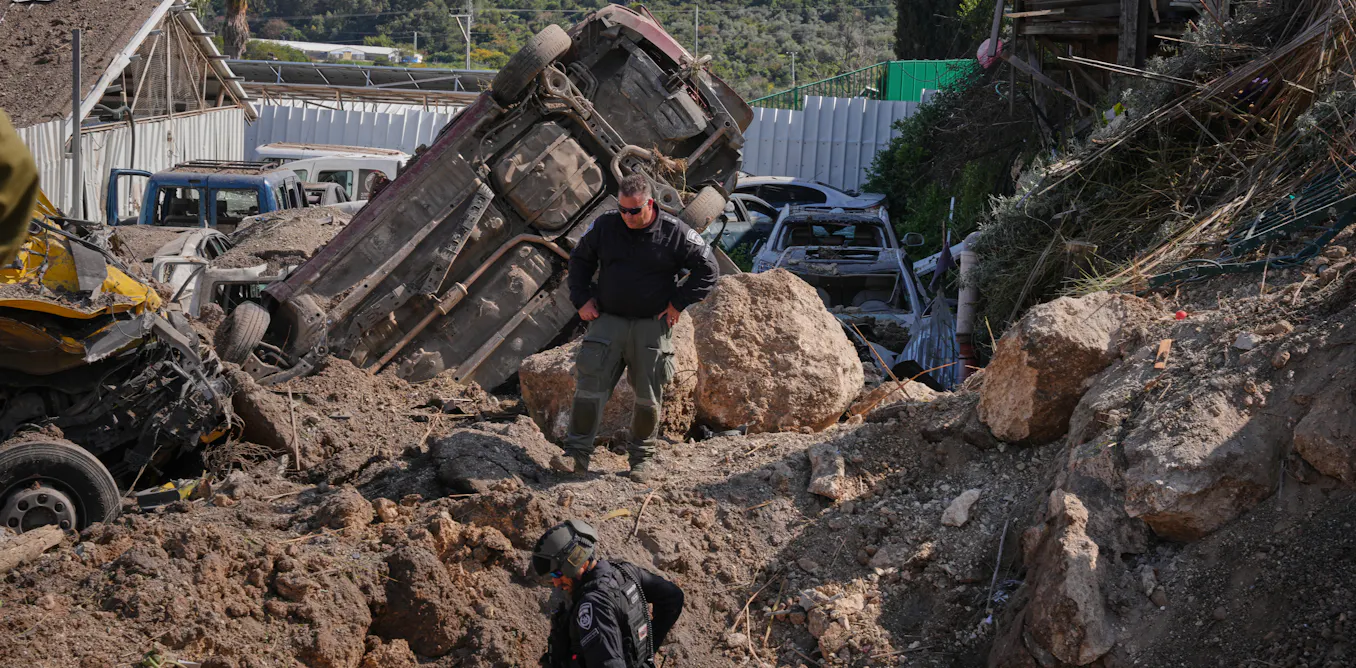
At least 5,400 Iranian missiles and drones have been launched in the first four weeks; ~4,900 struck Persian Gulf states (mostly drones) and ~450 targeted Israel. Israel reports ~92% missile interception; the UAE reported intercepting 94% of drones and 99% of missiles, yet strikes still killed 20 in Israel and at least 15 civilians, 13 U.S. soldiers and 7 merchant sailors in the Gulf. Iranian attacks have damaged refineries and halted tanker traffic through the Strait of Hormuz, prompting the U.S. to relax some Russian and Iranian oil (and Belarusian fertilizer) sanctions and materially raising energy and geopolitical risk.
Market structure has shifted from a pure attrition conflict to a persistent deterrence problem that will keep risk premia in transport and insurance elevated for weeks-to-months. A shock to chokepoints or recurring attacks against ships/terminals can mechanically add $5–$15/bbl to spot Brent within 1–6 weeks because of rerouting, longer ballast legs and higher war-risk surcharges on cargoes. That premium is orthogonal to sanctioned supply increases — traders can paper-over crude volumes but cannot erase higher voyage costs or reduced port throughput.
Defense and industrial supply chains are entering a multi-year re-rating phase: procurement cycles (9–36 months) will favor interceptors, counter-drone systems, active protection layers and replenishable munitions over one-off platform sales. The asymmetric nature of the threat implies recurring spare-parts and sensor demand (radars, EO/IR seekers, comms), boosting aftermarket revenues and shortening lead-time-sensitive margins for primes able to scale production quickly.
Near-term catalysts to watch are (1) any multi-day closure or insurance blackout for Hormuz/nearby lanes, (2) a demonstrable depletion of interceptor inventories at key defenders, and (3) an unequivocal diplomatic lull that restores routings. Tail risks include cyberattacks on trading or bunkering infrastructure and a lightning escalation that forces SPR releases; either outcome would reverse price moves quickly, so position sizing and time-limited optionality are essential.
Consensus framing that “supply relief from sanctioned barrels will cap prices” understates the duration of elevated operational costs and defense-driven capex. That divergence creates asymmetric trades: short-duration options to capture spikes in energy/transport, and longer-duration convex exposure to defense and component suppliers that win multi-year replenishment orders.
AI-powered research, real-time alerts, and portfolio analytics for institutional investors.
Request DemoOverall Sentiment
strongly negative
Sentiment Score
-0.62
