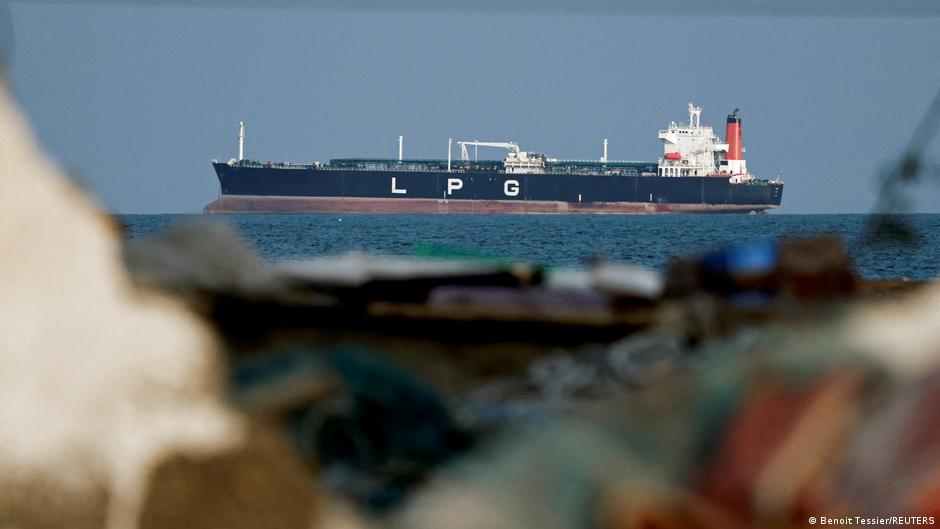
Iran is reportedly charging up to $2 million per ship for 'safe passage' through the Strait of Hormuz; more than 3,200 vessels are stranded and the strait conveys ~20% of global oil and gas flows. War-risk insurance premiums have risen by hundreds of percent and crude is trading around $100/barrel, intensifying supply disruption and prompting direct negotiation by major importers (India, China, Pakistan, Iraq, Malaysia) with Tehran. The situation is a high-impact geopolitical shock that is likely to be risk-off for energy and shipping markets until coordinated multilateral measures restore safe transit.
A persistent, escalatory disruption of a major Gulf-to-market maritime chokepoint will not merely lift spot crude prices; it re-prices time-on-water and working capital across the entire hydrocarbon logistics chain. Detours and convoy requirements can tie up scarce VLCC and product tanker days for weeks at a time, effectively reducing available tonnage by 20–40% in the near term and forcing charter rates to spike materially above current forward curves. Traders and refiners will face staggered, lumpy supply that amplifies cracks volatility — refiners with long-term crude liftings and flexible feedstock options will capture outsized margins over the next 1–4 quarters.
Insurance and security premia re-rating is front-loaded: expect P/C and marine war‑risk pricing to reset higher within days and stay elevated until a durable multinational security arrangement or de-escalation is in place. Conversely, any credible announcement of multinational naval escorts or a rapid diplomatic settlement would likely compress premiums and TC rates within 4–12 weeks, producing sharp mean reversion in both shipping equities and energy spread instruments. Sanctions enforcement dynamics create a non-linear counterparty risk: traders and state buyers who can safely transact around compliance regimes will extract arbitrage profits, while mainstream refiners face settlement and hedging frictions.
Second-order winners include owners of the physical transport fleet and select defense/naval contractors; losers include high‑frequency oil consumers (airlines, short-cycle chemical producers) and export-dependent refiners without alternative crude access. The consensus is pricing in a binary outcome (open vs closed) — the more realistic path is a multi-month elevated-cost corridor that creates sustained, but not permanent, margin uplifts for asset owners and counterparty frictions for bulk consumers.
AI-powered research, real-time alerts, and portfolio analytics for institutional investors.
Request DemoOverall Sentiment
strongly negative
Sentiment Score
-0.60
