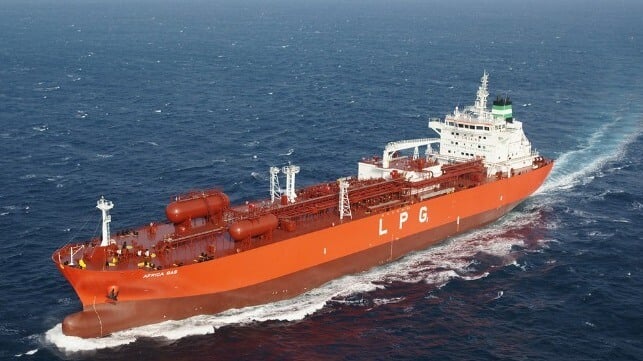
Tanker traffic through the Strait of Hormuz has dropped roughly 90%, leaving about 400 vessels anchored and effectively suspending transit of roughly 20% of daily global oil flows. Insurers pulled war-risk coverage and freight rates experienced massive hourly volatility, creating acute supply pressure for Asia, Europe and rapidly growing African markets. Traders with pre-built flexible vessel portfolios (e.g., Vitol, Trafigura, Glencore, BGN, BW LPG) and hybrid logistics (mid-sized tonnage, deep-water terminals, electrified feeders, AI-enabled port ops) are mitigating disruptions — indicating potential investment opportunities in flexible shipping operators, port infrastructure and freight-insurance/derivatives while legacy short-haul-dependent markets face elevated delivery risk.
The market is treating the current disruption as a logistics shock rather than a structural commodity shortage, but the real profit pool sits in optionality: owners and traders with multi‑size fleets capture margin by re-timing parcel sizes and converting longer voyages into incremental TCE (time charter equivalent) gains. Expect VLGC and mid-size LPG charter rates to bifurcate from large crude and container rates over the next 1–6 months as delivery flexibility is priced; a 10–25% premium for mid-sized call-up tonnage is plausible if the disruption persists beyond 60 days.
Second-order winners include short-haul feeder operators and ports that can deliver rapid turnarounds — electrified feeder economics become IRR‑relevant on ~500–1,500 km routes if charging capex is financed as infrastructure (5–7 year paybacks vs 10+ years under purely commercial capex). Conversely, credit stress will concentrate where working capital tied to voyage time increases: refiners and traders relying on weekly parceling will see WCR (working capital requirements) rise by a low‑double-digit percentage per sustained reroute week, pressuring lower‑margin suppliers first.
Tail outcomes drive asymmetric payoff: a quick diplomatic de‑escalation (days–weeks) collapses war‑risk premia and punishes long volatility and insurance plays; a protracted period (months–years) crystallizes structural demand for hybrid fleets, port modernization, and regional feeder electrification, creating durable margins for fleet owners who invested pre‑crisis. Key catalysts to watch within 0–90 days are insurance reinstatement notices, bunker price spikes (which reprice voyage economics), and new long‑term charter contracting by majors — any of which can flip the winners/losers narrative rapidly.
AI-powered research, real-time alerts, and portfolio analytics for institutional investors.
Request DemoOverall Sentiment
mildly negative
Sentiment Score
-0.25
Ticker Sentiment
