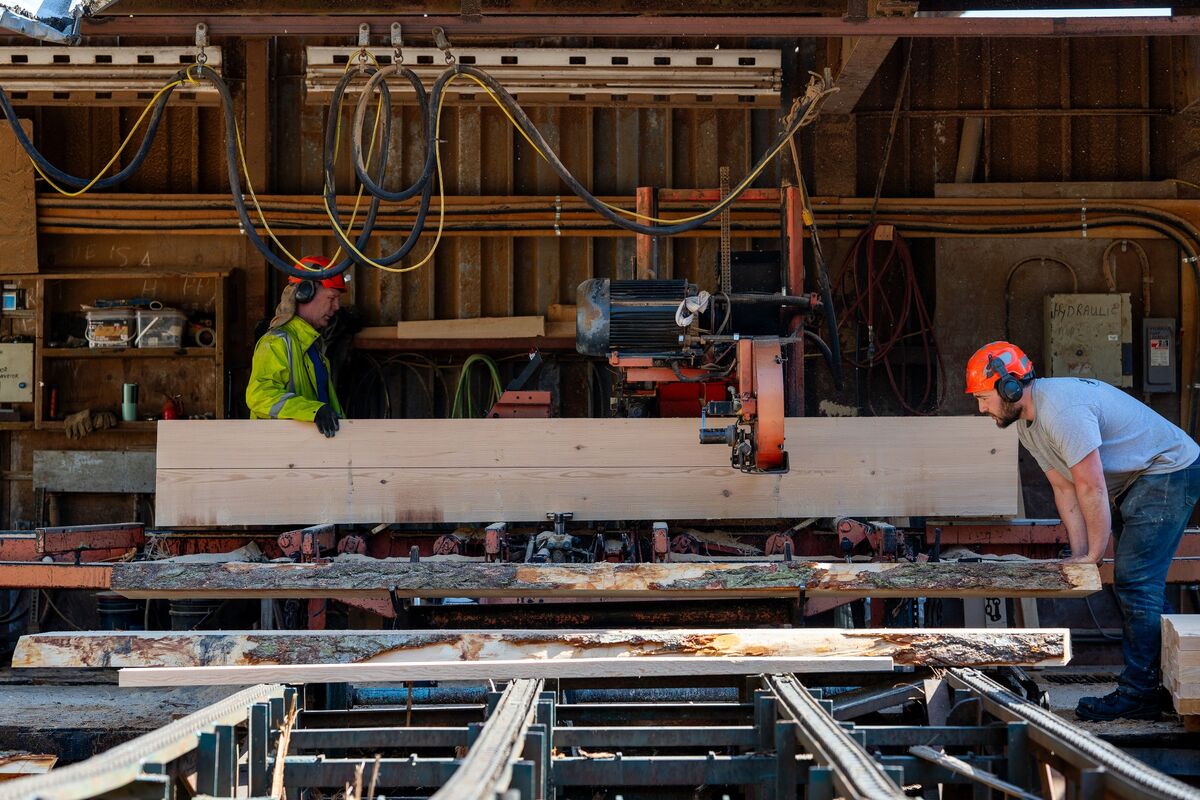
Canada has strategically withdrawn its challenges against specific US anti-dumping duties on softwood lumber, covering the period from June 2017 to December 2019. This concession, confirmed by Global Affairs Canada, is intended to facilitate broader trade negotiations with the US under the Trump administration, signaling a potential de-escalation in the long-standing dispute and a push for a wider bilateral trade deal.
Canada's government has made a tactical concession by withdrawing legal challenges against US anti-dumping duties on softwood lumber levied between June 2017 and December 2019. This action is officially framed as a 'strategic choice' intended to facilitate negotiations for a broader, more comprehensive trade agreement. While this move may finalize certain historical costs for Canadian lumber producers, its primary significance lies in its potential to de-escalate the long-standing trade dispute and create a more favorable environment for a long-term resolution. The market's reaction, reflected by a mixed sentiment score (-0.05) and a cautious tone, indicates that investors see both the cost of the concession and the uncertain potential for a future deal. The moderate market impact score (0.45) suggests this is viewed as an incremental development, with the ultimate impact on the commodities and supply chain sectors contingent on the success of subsequent bilateral negotiations.
AI-powered research, real-time alerts, and portfolio analytics for institutional investors.
Request DemoOverall Sentiment
mixed
Sentiment Score
-0.05
