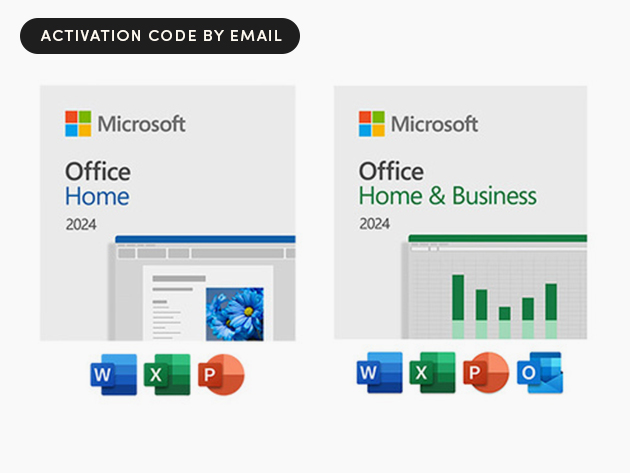
Microsoft Office 2024 Home & Business is being offered as a one-time lifetime license for Mac or PC on sale at $149.97 (regular $249.99), bundling Word, Excel, PowerPoint and Outlook with offline install, UI refresh, performance improvements and integrated AI features. The piece contrasts the perpetual license with Microsoft 365 subscription pricing (already at $99.99/year), positioning the product as a lower‑cost alternative for users who prefer a single purchase and offline capabilities, which may modestly affect consumer purchase decisions but is unlikely to move broader markets.
Market structure: A discounted lifetime Office 2024 SKU primarily re-segments price‑sensitive consumer demand toward one‑time purchases and retail promo channels (StackSocial). Winners: Microsoft (brand capture, one‑time cash inflows), retail partners, and price‑sensitive SMBs; losers: pure consumer subscription renewals and competitor consumer SaaS (Google Workspace consumer tier). Expect negligible immediate impact on Microsoft’s ARR (<0.5% revenue headwind over 12 months) because enterprise/365 dominates revenue and AI/cloud attach remains the primary margin driver.
Risk assessment: Tail risks include regulatory scrutiny of product bundling or materially lower M365 net adds forcing guide downs; operational risk is security/patch liabilities for perpetual installs. Immediate (days) impact is promotional revenue recognition and retail channel noise; short term (weeks–months) risk is altered guidance around consumer subs; long term (quarters–years) is slower ARR compounding if promos persist. Hidden dependency: key AI features likely gated to cloud/M365, so perpetual buyers won’t cannibalize high‑margin AI services materially.
Trade implications: Tactical long MSFT exposure is favored to play continued Office brand strength plus AI narrative; incremental consumer deals are small but sentiment‑positive. Consider relative trades: long MSFT vs. partial short of GOOGL (consumer Workspace exposure) over 3–6 months, and overweight large‑cap AI/software (MSFT, NVDA) versus pure consumer subscription names. Use defined‑risk options (3‑month 10% OTM call spread on MSFT) to capture 8–18% directional upside with limited capital at risk.
Contrarian angle: The market may overreact on subscription threat; reality is perpetual licenses are promotional margin‑dilutive and a retention loss for competitors, not Microsoft’s cloud cash cow. Consensus underestimates upside from AI attach to 365/Teams; mispricing risk exists in short‑dated puts if MSFT IV falls post‑holiday. Unintended consequence: heavy promotional cadence could make consumer revenue lumpy, creating buyable dips in large‑cap software names on earnings misses.
AI-powered research, real-time alerts, and portfolio analytics for institutional investors.
Request DemoOverall Sentiment
mildly positive
Sentiment Score
0.30
Ticker Sentiment
