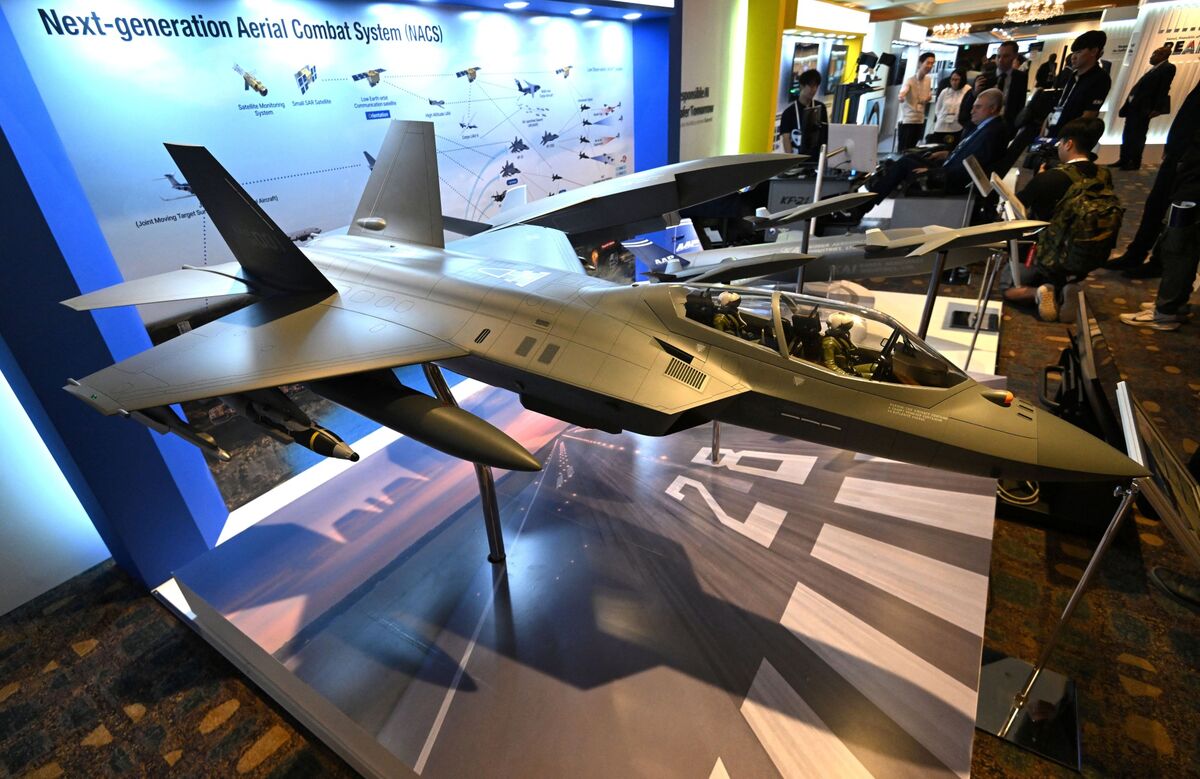
South Korea and Indonesia have reached a revised agreement for the KF-21 fighter jet program, significantly reducing Indonesia's financial commitment from 1.6 trillion won to 600 billion won (approximately $438.4 million). This adjustment aims to revitalize the stalled multibillion-dollar joint project, according to South Korea's Defense Acquisition Program Administration.
South Korea and Indonesia have concluded a revised agreement for the joint KF-21 fighter jet program, a strategic initiative aimed at reinvigorating the multibillion-dollar defense project which had faced significant delays. According to South Korea's Defense Acquisition Program Administration (DAPA), the new terms substantially reduce Indonesia's financial commitment to 600 billion won (approximately $438.4 million), a marked decrease from the 1.6 trillion won originally pledged. This adjustment, reflecting a resolution from the previous year, is designed to ensure the continuation and progress of the advanced fighter jet's development. While the successful renegotiation is viewed as a mildly positive step towards project continuity, it also implies a recalibration of financial responsibilities and potentially project timelines or scope, with South Korea likely absorbing a greater share or seeking alternative funding mechanisms for the significant shortfall. This development carries implications for regional defense capabilities, technological advancement in emerging markets, and the complex dynamics of international defense collaborations.
AI-powered research, real-time alerts, and portfolio analytics for institutional investors.
Request DemoOverall Sentiment
mildly positive
Sentiment Score
0.35
