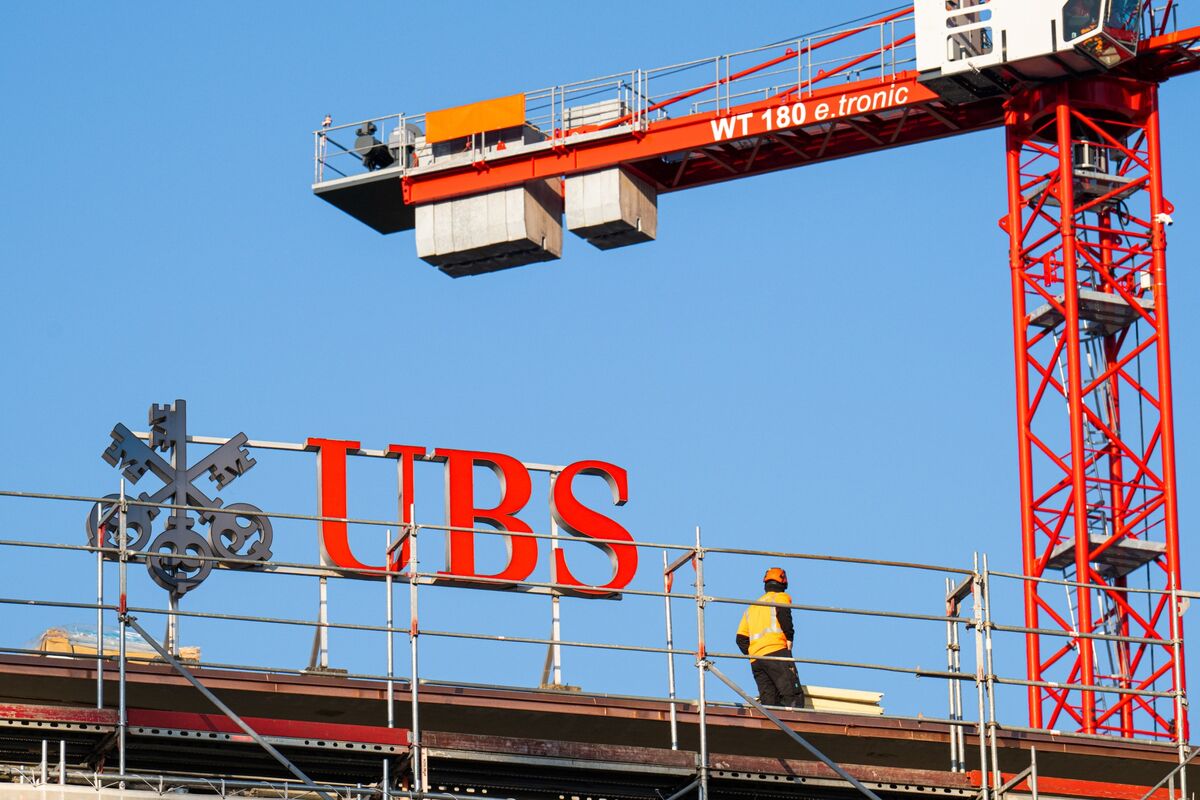
A group of 13 Swiss lawmakers is set to begin hearings in Bern on legislation that could shape UBS Group AG’s future, with the Upper House committee meeting at 10:15 a.m. local time. The bill is expected to move into parliamentary debate, potentially as early as June. The article is procedural and does not indicate a direct change in UBS fundamentals yet.
This is less a headline catalyst than the start of a multi-month regime-setting process for UBS’s capital structure and operating flexibility. The market usually underprices the second-order effect: even if the final law is watered down, the overhang itself raises the required return on Swiss banking assets, which tends to compress valuation multiples relative to global peers and cheapen funding for the whole domestic franchise. That means the immediate winner may not be a specific competitor but foreign bulge-bracket banks and alternative wealth platforms that can compete for ultra-high-net-worth mandates while UBS management is distracted by regulatory lobbying and balance-sheet planning. The key risk is not the first committee meeting; it is the legislative sequencing. Once the bill enters the parliamentary calendar, every incremental amendment becomes a headline-driven event, creating a series of short-duration volatility spikes over weeks to months. If the proposed framework meaningfully increases capital/liquidity buffers or restricts intragroup flexibility, the market will likely re-rate UBS on lower buyback capacity and reduced ROE, which matters more than near-term earnings optics. The contrarian view is that the market may be too anchored on “Swiss compromise” and underestimating how much of the eventual impact is already in the stock. UBS likely has more political capital than smaller domestic banks, so the worst-case scenario is probably not a draconian breakup but a slow grind of higher compliance and capital costs. That still matters because in a low-growth, low-rate environment, a 100-200 bps ROE haircut can drive a disproportionate multiple reset. For investors, the cleanest expression is to stay underweight UBS on any strength into legislative milestones rather than fade headline relief. The trade should be treated as a tactical volatility short, not a structural short, until the bill text is clearer and the market can quantify the capital impact.
AI-powered research, real-time alerts, and portfolio analytics for institutional investors.
Request DemoOverall Sentiment
neutral
Sentiment Score
0.05
Ticker Sentiment
