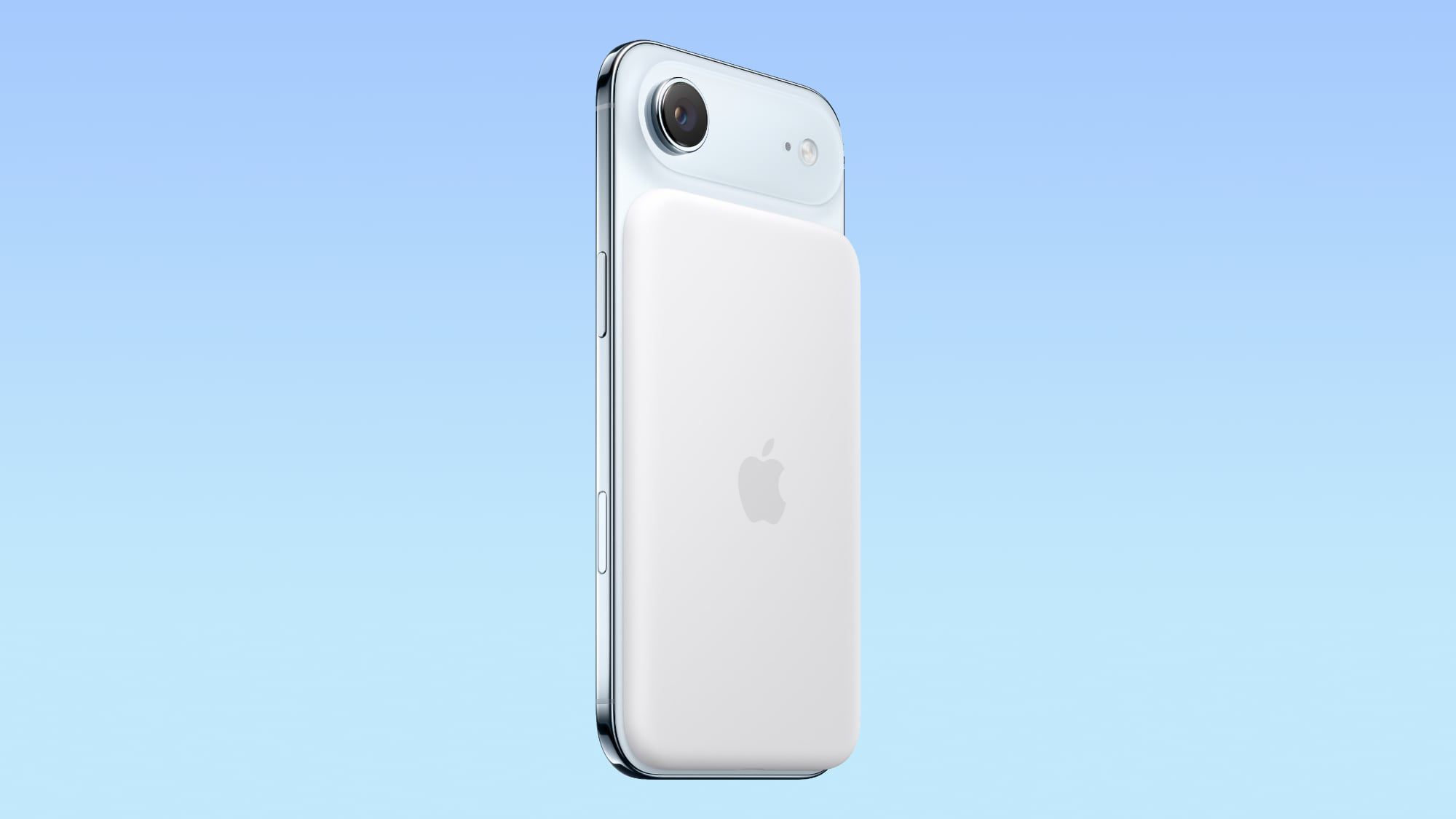
Apple is planning two moves to boost the underperforming iPhone Air: adding a second rear camera—likely an Ultra Wide to complement the current single 48‑megapixel Fusion lens with optical‑quality 2× zoom—and cutting the device's price (the current Air starts at $999). The changes, aimed at addressing complaints about single speakers and shorter battery life, come after suppliers reportedly scaled back production of the existing model; Apple expects to launch the iPhone Air 2 in spring 2027, a repositioning that could materially affect demand and supplier volumes within its smartphone lineup.
Apple is repositioning the underperforming iPhone Air by adding a second rear camera—likely an Ultra Wide to complement the existing single 48‑megapixel Fusion lens with optical‑quality 2× zoom—and considering lower pricing for the iPhone Air 2, which is slated for spring 2027. The current iPhone Air starts at $999 despite having a single speaker and shorter battery life, and suppliers have reportedly scaled back production of the existing model due to weaker demand.
The two-pronged approach targets product feature parity and price elasticity to restore volume versus the iPhone 17 and 17 Pro, but a lower launch price would compress unit ASPs and could weigh on gross margins for that model line. Market signals in the report and the provided market impact score of 0.25 indicate this is strategically important for lineup positioning but likely limited near-term market reaction to the news.
Execution and timing are the primary risks: Apple must convert a feature and price change into meaningful demand without materially cannibalizing higher‑margin models. Investors should watch supplier order flows and any official Apple commentary on pricing or launch timing as leading indicators of whether the Air 2 will materially improve volumes or merely shift mix.
AI-powered research, real-time alerts, and portfolio analytics for institutional investors.
Overall Sentiment
mixed
Sentiment Score
0.00
Ticker Sentiment
