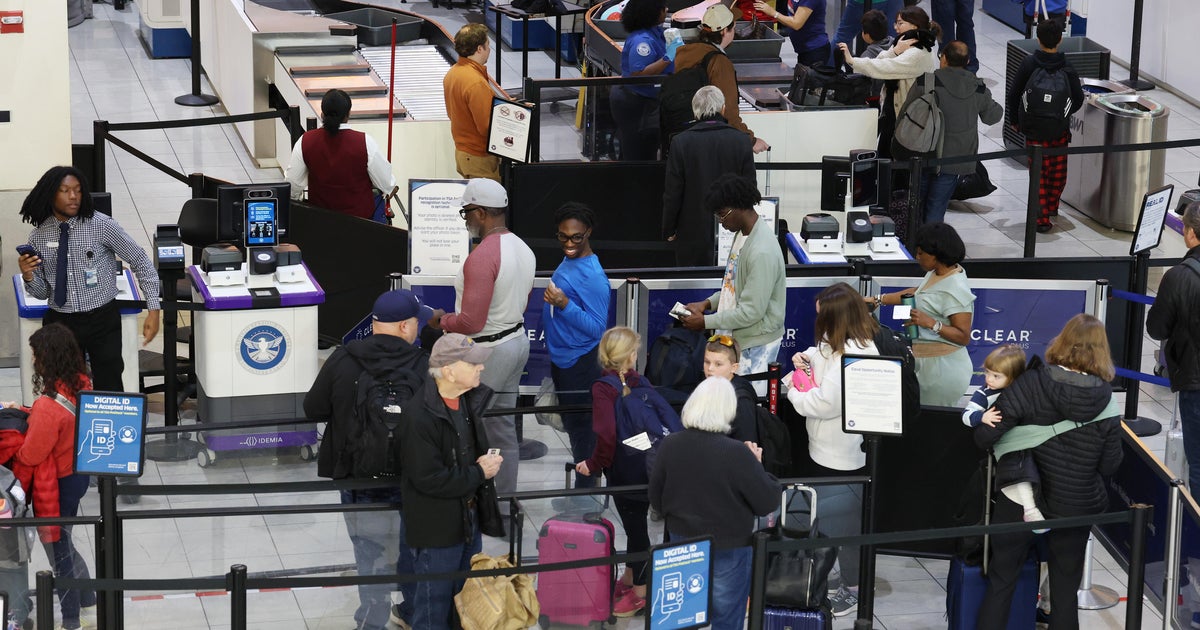
BWI reported a 29.1% TSA call-out rate Wednesday, prompting closure of one checkpoint, suspension of online wait estimates and advice for travelers to arrive three hours early. Houston saw 36% call-outs with maximum waits around three hours; DHS warns TSA could accrue nearly $1.0B in missed pay if the partial government shutdown continues and may need to consolidate lines or close smaller airports.
Operational chokepoints at airport security create a policy reaction vector that is often underpriced: when labor solutions break down, procurement and capital spending become the politically palatable alternative. Expect DHS/TSA to prioritize automation and third‑party screening pilots (biometric gates, CT baggage scanners, contractor screening) on a 3–12 month timetable; procurement cycles and NTE contract amendments could meaningfully re‑rate defense/security contractors with existing DHS footprints.
Airline P&L impact is concentrated and lumpy — the immediate margin hit comes from rebooking, disruption recovery (crew costs, deadhead flights), and customer goodwill spend rather than lost ticket demand. These are high‑frequency cost shocks that compress quarterly margins but leave long‑term demand intact unless disruptions persist through peak booking windows, in which case forward bookings and corporate travel behavior could reprice over multiple quarters.
Smaller regional airports and thin‑margin regional carriers are the most exposed to consolidation of checkpoints and temporary closures; that creates asymmetric downside for regional operators and concession-dependent businesses while benefiting integrated carriers with scale and alternative routing flexibility. Conversely, vendors that can deliver rapid throughput improvements (imaging, software orchestration, contractor screening services) get a fast follow‑on demand surge and optionality on recurring service contracts.
The binary catalyst remains political—an immediate resolution would unwind most operational stress within days; a protracted standoff shifts the story from tactical disruption to structural capex and regulatory responses. For portfolio positioning, treat this as a short, sharp liquidity/volatility event for travel names and a 3–18 month thematic acceleration for security/automation suppliers.
AI-powered research, real-time alerts, and portfolio analytics for institutional investors.
Request DemoOverall Sentiment
mildly negative
Sentiment Score
-0.30
