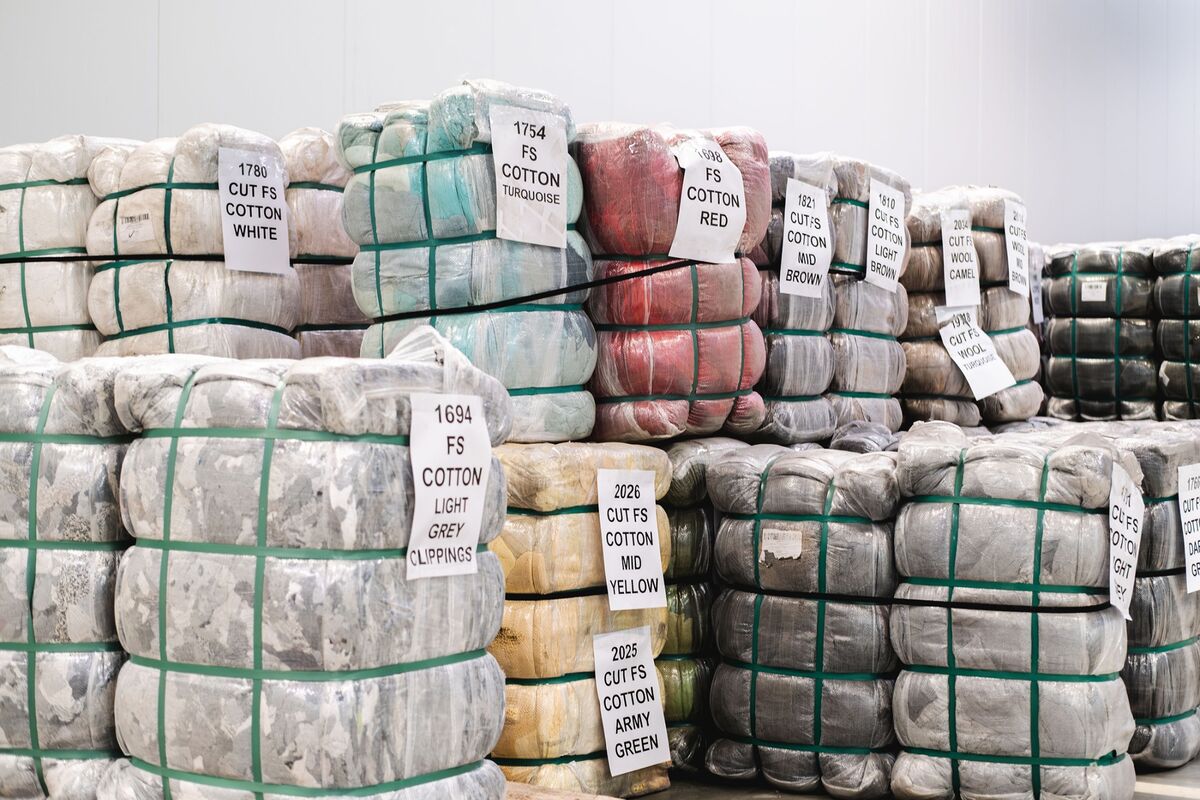
A local activist group in Amsterdam protested fashion waste by creating a large pile of discarded clothing in a popular shopping district to raise awareness of textile waste. The action highlights the need for scalable recycling technologies to address the environmental impact of discarded clothing, an issue that companies across Europe are beginning to tackle.
The recent activist demonstration in Amsterdam, featuring a seven-foot-tall, 25-foot-around pile of discarded clothes representing the amount discarded every ten minutes in the Netherlands, starkly visualizes the significant environmental challenge posed by textile waste. This event, occurring in a prominent shopping district near major retailers like Adidas and Zara, underscores growing public and societal pressure on the fashion industry to address its environmental footprint. The article indicates a proactive, albeit nascent, response from the corporate sector, with European companies reportedly collaborating to develop new, scalable recycling technologies. This initiative aligns with key investment themes such as ESG & Climate Policy, Technology & Innovation, and evolving Consumer Demand & Retail practices. While the general sentiment is mildly positive, reflecting an optimistic outlook on potential solutions, the current market impact score of 0.35 suggests this development is in its early stages and not yet translating into significant, immediate market movements for specific publicly-traded entities based solely on this report.
AI-powered research, real-time alerts, and portfolio analytics for institutional investors.
Request DemoOverall Sentiment
mildly positive
Sentiment Score
0.30
