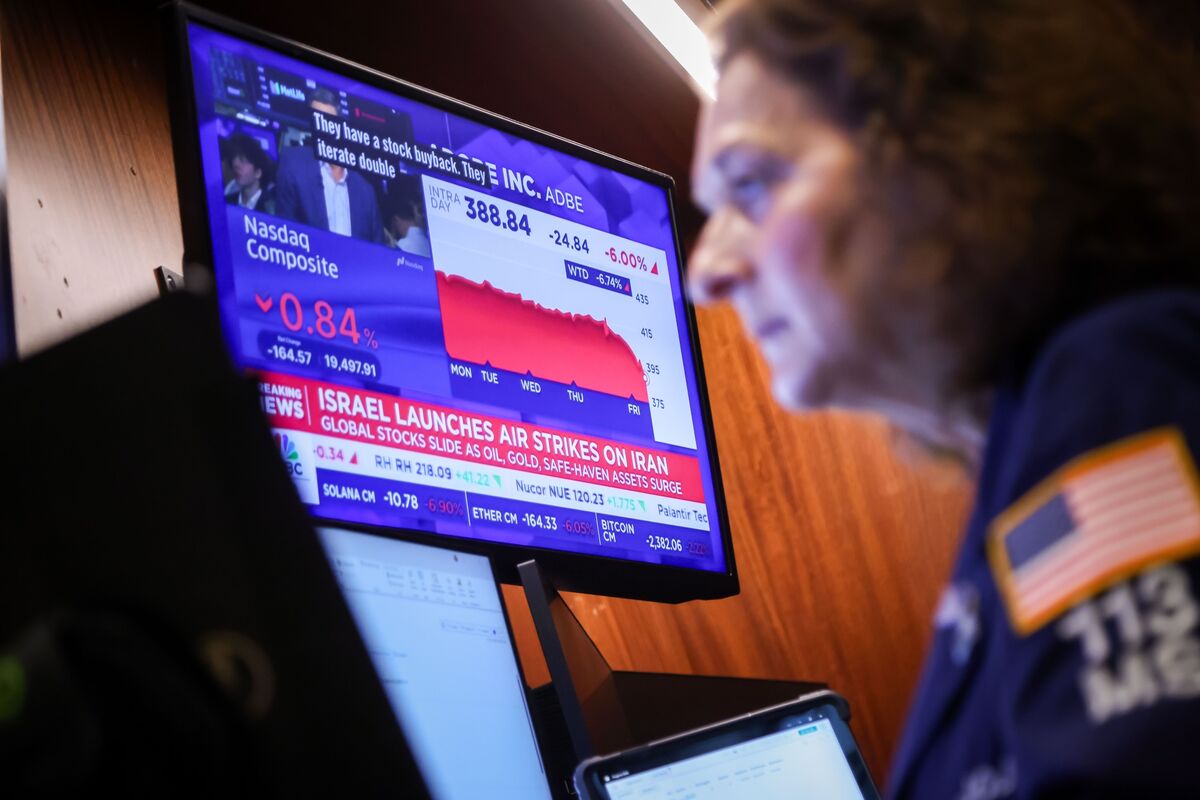
Heightened conflict in the Middle East has increased uncertainty for the global economy, unsettling investors; however, U.S. stocks, bonds, and the dollar have remained stable over the past week. The article suggests investors should prepare themselves financially for a potentially prolonged conflict, though specific strategies are not detailed within this excerpt.
Escalating geopolitical tensions in the Middle East are introducing a significant element of uncertainty into the global economic landscape, fostering unease among investors, which is underscored by a moderately negative sentiment score (-0.4) and an overall uncertain market tone. Despite this heightened apprehension, U.S. financial markets, encompassing stocks, bonds, and the dollar, have demonstrated resilience by holding steady over the past week. The core concern highlighted is the potential for a more protracted conflict, prompting a call for investors to prepare financially for such an eventuality, suggesting that the current stability in U.S. assets might be tested if the situation deteriorates further.
AI-powered research, real-time alerts, and portfolio analytics for institutional investors.
Request DemoOverall Sentiment
moderately negative
Sentiment Score
-0.40
