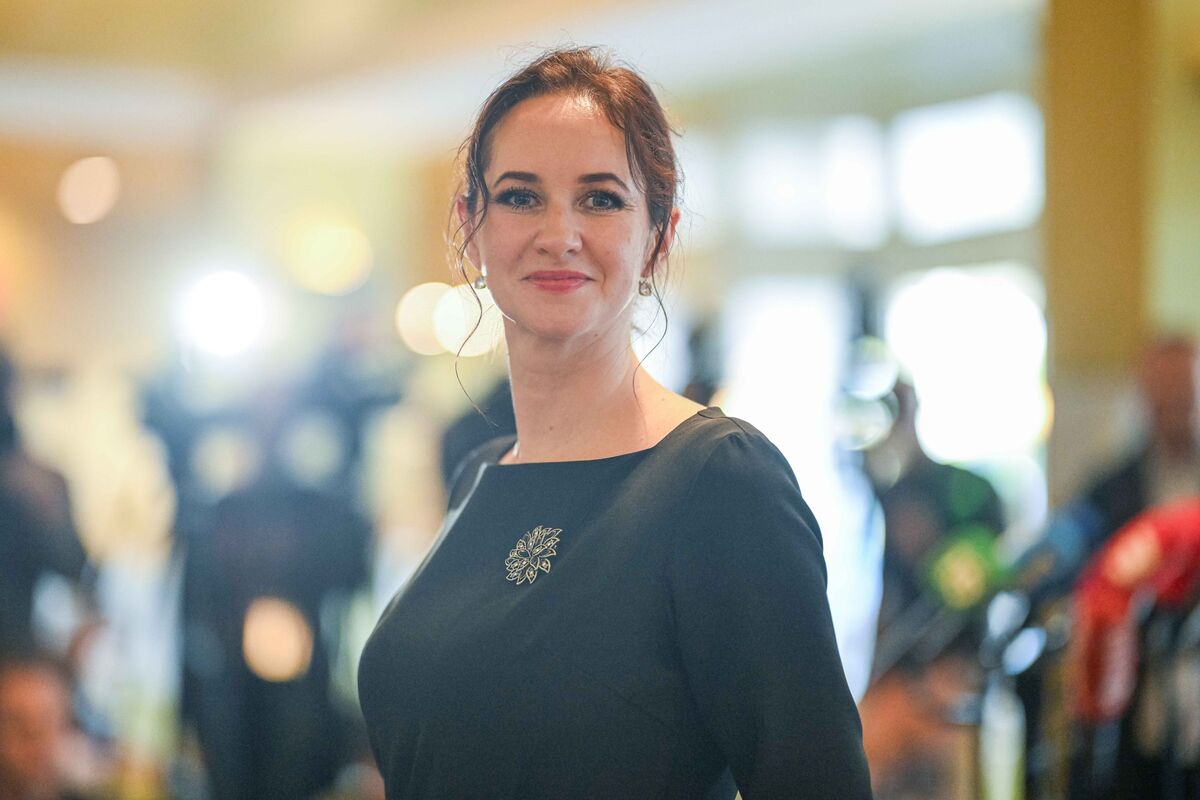
Lithuanian lawmakers have approved Social Democrat Inga Ruginiene as the next prime minister by a 78-35 vote, despite protests regarding her party's decision to include a bloc led by a politician probed for antisemitism in the ruling coalition. Ruginiene, a political newcomer and former trade union leader, now has two weeks to form a cabinet and secure final parliamentary approval for its program, indicating potential political volatility and shifts in governance for the Baltic state.
Lithuania's parliament has confirmed Inga Ruginiene, a Social Democrat and political newcomer, as the next prime minister with a 78-35 vote. However, her ascent is marked by significant political friction, stemming from her party's decision to include a controversial bloc in the ruling coalition, which has already triggered public protests. This coalition choice introduces a notable element of political instability from the outset of her term. Ruginiene, who joined the Social Democrats just nine months ago and previously served as a trade union leader, now faces a critical two-week period to form a cabinet and win parliamentary approval for its program. Her limited political tenure combined with a contentious coalition partner suggests potential challenges in governing and policy implementation, introducing uncertainty into the political outlook for the Baltic state.
AI-powered research, real-time alerts, and portfolio analytics for institutional investors.
Request DemoOverall Sentiment
neutral
Sentiment Score
0.00
