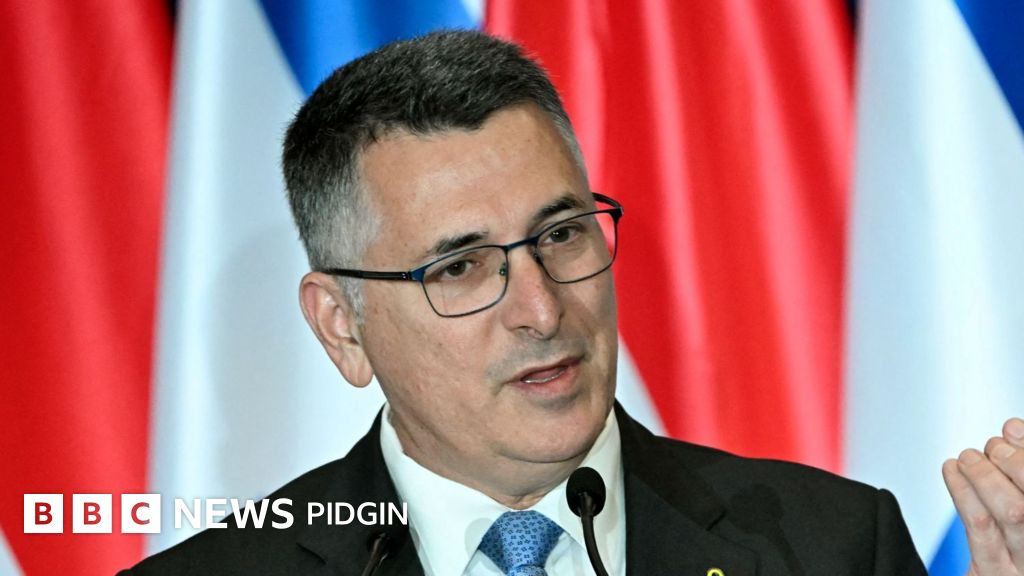
Israeli Foreign Minister Gideon Saar made the first official visit to Hargeisa after Israel controversially recognised Somaliland as independent, meeting President Abdirahman Mohamed Abdullahi and pledging cooperation on agriculture, health, technology and the economy. The move provoked widespread international condemnation — including most UN Security Council members and regional actors such as China, Turkey and the African Union — raising geopolitical risk in the Red Sea/Horn of Africa corridor and potential implications for regional security and trade routes, though immediate market-moving financial impacts appear limited.
Market structure: Israel’s recognition of Somaliland and ministerial visit crystallizes a new political-commercial axis in the Red Sea littoral that benefits defense primes, maritime-security contractors, port operators and re/insurers while raising costs for container and tanker owners if hostilities widen. Expect a 3–12% re‑rating tailwind to large defense contractors’ revenue guidance in scenarios where sustained naval protection contracts (multi-year, $100M+) are awarded; shipping demand remains intact but with higher unit voyage costs if rerouting around Africa becomes frequent.
Risk assessment: Tail risks include a rapid escalation with the Houthis or UN sanctions triggers—low probability (<10% over 12 months) but high impact (regional insurance premia +200–500bps, freight rates +15–40%). Immediate effects (days) are volatility in shipping and insurance equities, short-term (weeks/months) is widening of EM risk premia for Horn of Africa exposures, long-term (quarters/years) is permanent reshaping of port investment and basing rights. Hidden dependencies: insurer/reinsurer reserve adequacy, tanker fleet routing elasticity, and political responses from China/EU that could impose trade or diplomatic counters.
Trade implications: Tactical opportunities include long-defense primes and maritime-security services, hedged exposure to shipping volatility via put spreads, and reducing concentrated East-Africa sovereign/credit exposure. Time-sensitive catalysts: UN Security Council motions (next 30–90 days), Israel–Somaliland MoUs (90 days), and Houthi attack frequency (track weekly) that should trigger position adjustments.
Contrarian angles: Consensus focuses on near-term political backlash; underappreciated is procurement-led demand (multi-year contracts) that supports defense cashflows regardless of short-term politics, and potential private investment into Somaliland ports if recognition deepens. The market may underprice a sustained 2–5% revenue uplift across select defense names over 12–18 months; conversely shipping equities could be oversold if escort corridors or insurance mechanisms cap reroute costs below a 20% premium.
AI-powered research, real-time alerts, and portfolio analytics for institutional investors.
Request DemoOverall Sentiment
neutral
Sentiment Score
-0.15
