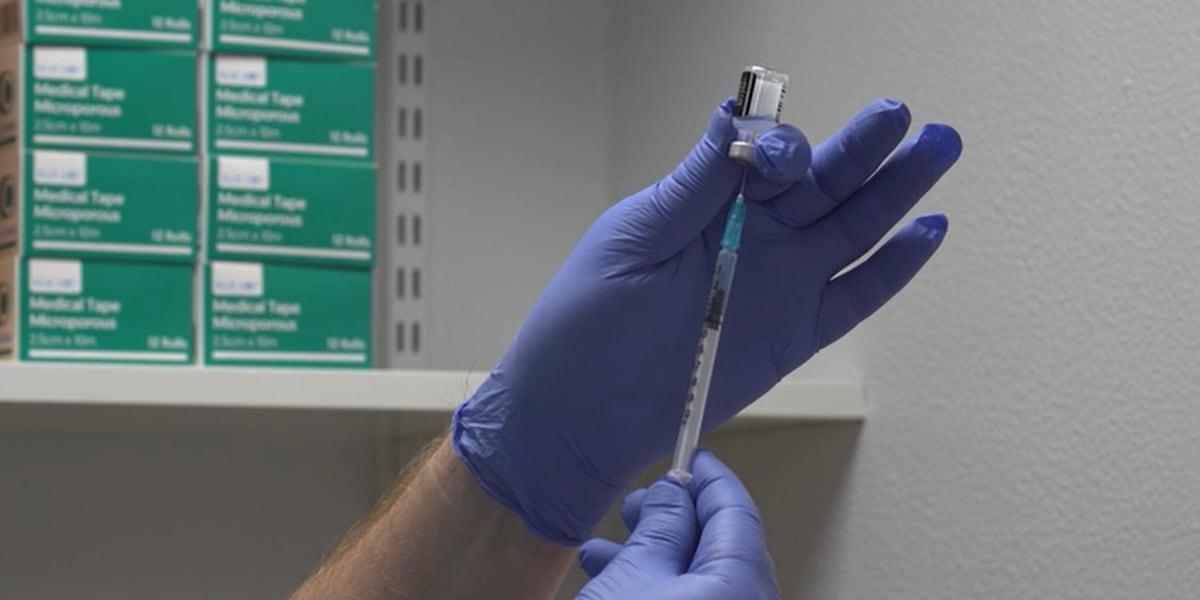
New COVID variant 'Cicada' has been detected in at least 23 countries and in wastewater across more than two dozen U.S. states; officials say it currently does not account for a significant share of U.S. cases but are monitoring for a possible summer surge. The Environmental Working Group's Dirty Dozen names spinach, grapes and strawberries among the highest pesticide-residue produce, noting spinach has the most residue by weight and that for the first time >60% of Dirty Dozen samples contained PFAS ('forever chemicals'), which could shift consumer demand toward organic options. A longitudinal study of >11,000 seniors over 10 years found a positive outlook on aging linked to improved cognitive and physical measures—important for public health planning but not an immediate market mover.
A near-term upside to specialist sequencing, public-health analytics and high-throughput testing providers is the increased value of early-warning signals and rapid assay development; these firms can monetize short-duration demand spikes with premium pricing on assays and surge staffing inside 4–12 weeks. Contract manufacturing and mRNA platform owners also benefit asymmetrically if a variant needs a tailored booster — the development-to-deployment path can be compressed to ~3–4 months for mRNA players, creating a binary revenue kicker with limited near-term capex needs.
On the consumer/ESG side, renewed media focus on pesticide residues accelerates an ongoing secular reallocation of small-ticket produce spend toward certified-organic and traceable-supply outlets. Expect 12–24 month margin improvement for retailers with differentiated organic supply chains and for third-party food-testing labs that can certify PFAS/pesticide-free claims; the re-pricing is gradual but persistent because it maps to retailer private-label strategy and regulatory testing demand.
Main risks: surveillance signals are noisy and frequently produce false positives; commercial flows (travel, dining) will only re-price materially if hospitalizations or absenteeism rise meaningfully — a 2–3 week clinical lag from signal to consumer behavior is typical. Contrarian view: headlines will overstate immediate demand; the smarter move is optionality in providers of diagnostics and testing rather than large directional bets on consumer staples or travel until a clear clinical-increase signal appears.
AI-powered research, real-time alerts, and portfolio analytics for institutional investors.
Request DemoOverall Sentiment
neutral
Sentiment Score
0.00
